Category: Home Improvement

  • Embracing the Outdoors: A Comprehensive Guide to Choosing the Right Materials for Your Outdoor Blinds

    Embracing the Outdoors: A Comprehensive Guide to Choosing the Right Materials for Your Outdoor Blinds

    Designing or renovating outdoor spaces can captivate one’s creativity. How can you balance appearance and functionality while contemplating various factors to ensure your outdoor space gives you the comfort you desire? One significant aspect and perhaps the most visible and practical element that you need to consider is outdoor blinds. But what material should your outdoor blinds be made of? How should you approach selecting the most suitable material for your unique space? Welcome to a comprehensive exploration of materials for outdoor blinds, in which we’ll discuss their various merits, drawbacks, practical implications, and aesthetic value.

    Outdoor blinds are no longer mere functional items; they are becoming central to the overall design and aesthetic appeal of outdoor spaces. Selecting the right material is not something to overlook; it could make all the difference between a patio that’s merely functional and one that’s an outdoor oasis. Let’s delve into the fascinating world of outdoor blind materials, their characteristics, and how they can transform your outdoor space.

    Why Material Matters in Outdoor Blinds

    Why such stress on the material used for outdoor blinds? The answer lies in the unique challenges outdoor furnishings face. Unlike indoor items, outdoor blinds must withstand the changing weather conditions and resist the brutal effects of the elements. Further, they need to seamlessly combine form and function.

    The type of material you choose directly impacts the longevity and effectiveness of your blinds. Different materials offer different levels of durability, UV protection, and weather resistance. Lastly, the material of your outdoor blinds significantly influences your space’s overall aesthetic, making it a point of design interest.

    Understanding the Different Materials

    Next in line is understanding the materials commonly used for outdoor blinds, which range from fabrics to metals. Each of these materials has specific features, advantages, and disadvantages, making them suitable for a variety of needs and climates.

    For instance, fabric blinds, especially the canvas and acrylic types, are very popular owing to their versatility and wide range of design possibilities. On the other hand, PVC blinds offer excellent clarity, thereby not blocking the view while providing protection. Metal blinds, usually aluminium, are best known for their robust durability and low maintenance.

    Outdoor Blinds
    Outdoor Blinds

    Evaluating the Pros and Cons

    There’s no one-size-fits-all solution when it comes to outdoor blinds, as each material has its unique pros and cons. While canvas and mesh fabrics are highly customizable and available in many designs, they, unfortunately, aren’t the most durable. PVC, although excellent in preserving views and providing protection from elements, can yellow over time and are sensitive to fluctuations in temperature. Meanwhile, aluminium is extremely durable and easy to maintain but lacks the stylistic versatility of fabric blinds.

    Considering Practical Implications

    Besides aesthetic considerations, practicality is a high priority when selecting materials for your outdoor blinds. Think about your local climate, how regularly you’ll use your space, the level of maintenance you’re prepared for, and, crucially, your budget.

    Adding an Aesthetic Touch

    Have you ever thought of outdoor blinds as a design element? Indeed, the material you choose can have a surprising impact on your patio or deck aesthetics, complementing or contrasting attractively with your outdoor furniture, plant selection, and overall design theme.

    Tailored Advice for Your Needs

    The impressive variety of materials for outdoor blinds means there’s something for everyone, for every need, and for every climate. It’s wise to seek advice from professionals who can guide you and ensure your choice matches your aesthetic and practical needs.

    Conclusion

    Choosing the right material for your outdoor blinds is a task that requires careful thought, weighing various factors from aesthetic considerations to practical implications. It’s not a decision to be rushed but approached with an open mind. By understanding the why’s and what’s of different materials and considering the pros, cons, practicalities, and aesthetic potentials, you’re sure to make the best material choice for your outdoor space. Remember, outdoor blinds are not just practical items to protect you from the weather elements but a design element that adds personality to your outdoor space.

  • Wired for Success: The Role of a Professional Electrician

    Wired for Success: The Role of a Professional Electrician

    Imagine living in a world without electricity. It’s difficult, isn’t it? It’s impossible to imagine our lives without the convenience and comfort that electricity provides. But who ensures that our homes, offices, and industries are safely wired and functioning optimally? The answer is a professional electrician. They play a crucial role in our everyday lives, ensuring that our electrical systems are safe and efficient. In this article, we delve into the role of a professional electrician, their importance in home renovations and improvements, and how to select the right one for your needs.

    Understanding the Role of a Professional Electrician

    A professional electrician is responsible for installing, maintaining, and repairing electrical systems in residential, commercial, and industrial settings. This includes everything from wiring installations, lighting fixtures, and control systems to electrical appliances and equipment. They need to understand blueprints, technical diagrams, and safety regulations to ensure that the electrical work is done correctly and safely. Additionally, electricians often troubleshoot problems, conduct inspections, and provide solutions to rectify any electrical issues.

    The Importance of Licensing and Certification

    Like any other profession, electricians need to have the right qualifications and certifications. Having a license ensures that the electrician has undergone the necessary training and apprenticeship to perform the job safely and correctly. This also means that they are aware of the latest safety codes and regulations. Hiring a licensed electrician not only ensures quality work but also gives you peace of mind knowing that your home is in safe hands.

    Selecting the Right Electrician for Your Home

    Choosing the right electrician for your home is crucial. You should consider factors such as experience, qualifications, and reputation. Always ask for references and check online reviews. Additionally, make sure that the electrician is insured. This protects you from any liabilities in case of accidents or damages during the electrical work. A good electrician will also provide you with a detailed estimate, explaining the work to be done and the associated costs.

    The Evolving Role of the Professional Electrician

    The role of an electrician goes beyond just setting up wiring and fixing electrical faults; it’s a profession that requires a high level of expertise, precision, and safety consciousness. In the context of home renovations, the electrician’s role includes planning and designing the electrical system, installing wiring and fixtures, ensuring safety standards are met, and troubleshooting any electrical issues that may arise.

    The Importance of Electrical Safety during Renovations

    Electrical safety is paramount during home renovations. The risk of electrical shocks, fires, and other hazards is significantly high when dealing with electrical work. A professional electrician ensures that all electrical installations and modifications meet the required safety standards. They are trained to identify potential hazards and take preventative measures to mitigate risks.

    The Future of Home Electrical Work

    As our homes become more integrated with technology, the future of home electrical work is evolving. Today’s electricians need to be knowledgeable about smart home technology, renewable energy solutions, and more advanced electrical systems. Electricians are no longer just dealing with wires and circuits; they’re now required to understand and install complex home automation systems, energy-efficient lighting, and solar panels.

    Why Hire a Professional Electrician for Home Renovations?

    Hiring a professional electrician for home renovations is more than just a smart decision; it’s a necessity. Apart from ensuring safety, a professional electrician can provide expert advice on the best electrical solutions for your home. They can also help you save money in the long run by installing energy-efficient systems and avoiding costly mistakes. Moreover, a professional electrician ensures that all work is compliant with local building codes, which is crucial for avoiding fines and ensuring the resale value of your home.

    The Role of Electricians in Home Improvement and Renovation

    Electricians play a significant role in home renovations and improvements. They ensure that the new electrical installations are done correctly, safely, and according to the latest safety codes. They can also help in upgrading the existing electrical system to accommodate the increased power needs. Whether it’s installing new lighting fixtures, adding new outlets, or rewiring the entire house, a professional electrician can make your home improvement project a success.

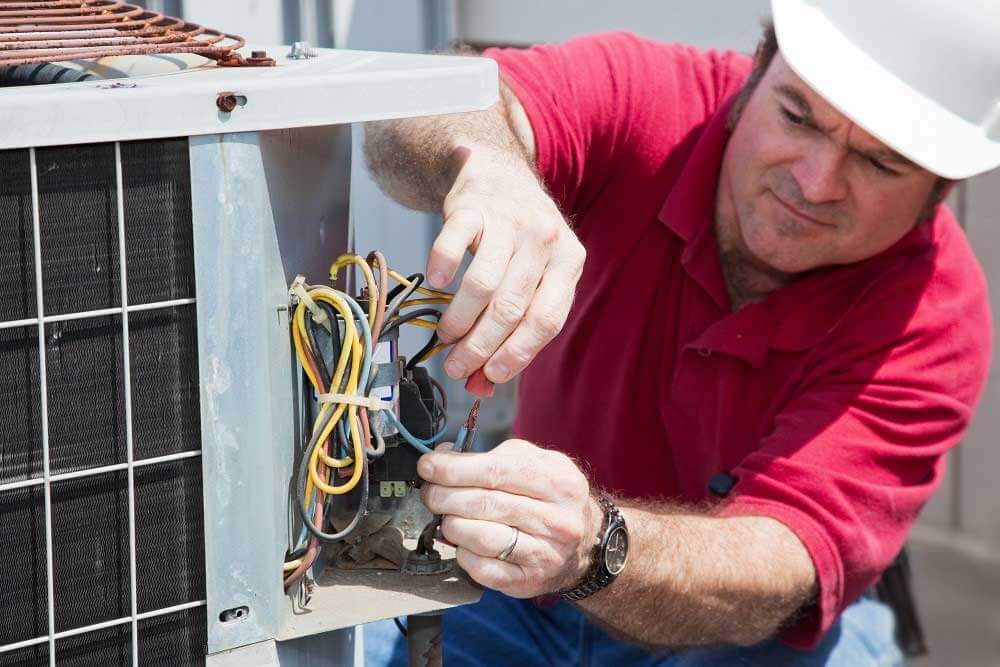
    Electrician

    Conclusion

    In conclusion, a professional electrician plays a vital role in our lives, ensuring that our homes and workplaces are safe and efficient. Whether it’s a minor repair or a major home renovation, hiring a licensed and experienced electrician is crucial for the success of the project. So, the next time you need electrical work done, remember to hire a professional. After all, when it comes to electricity, it’s always better to be safe than sorry.

  • Concrete Sealing to Enhance the Interior Look of Your House

    Concrete Sealing to Enhance the Interior Look of Your House

    Concrete is a versatile construction composite and it will usually last for decades. This, however, is subject to the concrete slab retaining its integrity. In real life situations concrete always develops cracks. Cracks let in water and air and this can cause rusting of steel rods in reinforced concrete and deterioration of the aggregate. The result is further expansion. You do not need to spend any maintenance cost for this concrete sealing, and you can easily use this sealing for a long time. If you find any crack or damage on the concrete sealing, then you can easily repair these portions at a minimum cost.

    concrete-floor

    What are the Features of Concrete Sealing?

    One way to ensure concrete retains its integrity is to seal it. Before you begin you will need tools such as a wire brush to scrape and clean the surface so that the sealer will adhere. You will also need brush applicator, sprayer, roller, gloves, thinner, dust mask and, of course, the sealant. The concrete sealing material can be selected as per your requirement, and you can also mix these materials as per your uses. It is recommended to make your sealing strongest, with more amounts of cement and sand which are necessary for concreting task.

    • Concrete sealing materials are classified according to their functions. Penetrating sealers penetrate capillaries and cracks in the concrete and protect the material from ingress of air and moisture. This type is usually recommended for concrete roofs, walls and slabs in the garden.
    • Water based acrylic concrete sealants are also effective but do not have a long life. However, it is easy to apply acrylic sealants for concrete.
    • Epoxy concrete sealants are tough, strong and will last for a long time. These are best used on concrete countertops in kitchens, concrete roofs, concrete walls and slabs in high traffic areas. Besides being tough epoxies are also resistant to most chemicals and provide water-proof covering besides holding together the concrete aggregate, thus adding strength. Polyurethane concrete sealing materials are tough and can be used on roofs, walls, countertops and floors. Polyurethane is also some what more flexible than epoxy besides being resistant to chemicals. Then there are densifiers and hardeners that have deep penetrating action with high water repellency properties.

    flooring

    3 important Advantages of Concrete Sealing:

    Applying concrete sealing is simple enough. However, it is important to wire brush the surface to remove all dirt and loose particles. Degreasing is also a good idea since presence of oil will prevent adhesion of the sealant film. Wash and let the surface dry thoroughly before applying the sealant.

    • You can use acrylic, epoxy based or polyurethane based sealant. It may be a single component resin or two parts, in which case it is necessary to mix thoroughly and apply as quickly as possible before the sealant sets.
    • Generally, depending on viscosity and film thickness required, a gallon of sealant will cover from 75 to 200 square feet. The process involves application of a first thin coat, the sealant thinned with a solvent, and allowed to dry before applying the second and, if required, a third final coat.
    • You can also use a roller for faster application but avoid brushing too much or squeezing the roller too flat. Once done, clean the brush and tools with solvent, thinner or water, depending on the type of sealant used.

    If the concrete has developed cracks, it is best to use epoxy or polyurethane putty to seal the cracks. If the cracks are deep then you will find that pressure injection of epoxy resin or polyurethane into the cracks will help in deeper penetration, better bonding and enhanced life.

  • With A Sleek and Stylish Ceramic Basin Upgrade Your Bathroom

    Are you tired of your old, outdated bathroom sink? Do you want to give your bathroom a fresh, modern look? Upgrading your bathroom with a sleek and stylish ceramic basin is a simple yet effective way to transform your space. Ceramic basins are durable, easy to clean, and available in various shapes and sizes, making them a popular choice for bathrooms. In this article, we will discuss the different types of ceramic basins, how to choose the right size and shape for your bathroom, and tips for installation and maintenance. Let’s dive in and explore how a ceramic basin can elevate your bathroom’s style and functionality.

    Types of Ceramic Basins

    Ceramic basins come in various styles and designs to suit any bathroom aesthetic. Here are some popular types of ceramic basins to consider for your bathroom upgrade:

    1. Wall-mounted Basins:

    These basins are mounted directly onto the wall, creating a minimalist and clean look. Wall-mounted basins are ideal for small bathrooms or powder rooms, as they save floor space and make the room appear larger.

    2. Pedestal Basins:

    A pedestal basin features a basin supported by a pedestal, which conceals the plumbing. This classic design is suitable for traditional or vintage-inspired bathrooms.

    3. Semi-recessed Basins:

    These basins partially sit within a countertop or vanity unit, with the front of the basin protruding. Semi-recessed basins provide more countertop space and are ideal for bathrooms with limited space.

    4. Vessel Basins:

    Vessel basins, also known as countertop basins, sit on top of a countertop or vanity unit. These basins create a statement piece in your bathroom and come in various shapes and sizes.

    5. Undermount Basins:

    Undermount basins are installed beneath a countertop, creating a seamless and streamlined look. This type of basin is easy to clean and provides ample countertop space.

    Choosing the Right Size and Shape

    When selecting a ceramic basin for your bathroom, it’s essential to consider the size and shape that will best suit your space and design preferences. Here are some factors to consider when choosing the right size and shape for your ceramic basin:

    1. Bathroom Size:

    Measure your bathroom’s dimensions to determine the appropriate basin size. Smaller bathrooms may require a compact basin or a wall-mounted design to save space, while larger bathrooms can accommodate more substantial basins or double-sink setups.

    2. Countertop Space:

    Consider how much countertop space you require for toiletries and other items. Some basin styles, such as undermount or semi-recessed basins, provide more countertop space than others.

    3. Design Preferences:

    Choose a basin shape that complements your bathroom’s overall design. For example, a rectangular or square basin may suit a contemporary bathroom, while a round or oval basin may be more fitting for a traditional or vintage-inspired space.

    4. Functionality:

    Consider the basin’s depth and how it will be used. A shallow basin may be more suitable for a powder room, while a deeper basin may be more practical for a family bathroom.

    Installation and Maintenance

    Once you’ve selected the perfect ceramic basin for your bathroom, it’s essential to ensure proper installation and maintenance. Here are some tips for installing and caring for your new ceramic basin:

    1. Hire a Professional:

    While it may be tempting to tackle the installation yourself, hiring a professional plumber will ensure your basin is installed correctly and securely. A professional can also help with any necessary plumbing modifications.

    2. Use the Right Sealant:

    When installing a ceramic basin, it’s crucial to use the correct sealant to prevent water damage and leaks. Consult the basin manufacturer’s recommendations or seek advice from a professional plumber.

    3. Regular Cleaning:

    To keep your ceramic basin looking its best, clean it regularly with a mild, non-abrasive cleaner and a soft cloth. Avoid using harsh chemicals or abrasive cleaning tools, as these can damage the basin’s surface.

    4. Repair Chips and Scratches:

    If your ceramic basin becomes chipped or scratched, repair kits are available to restore its appearance. Follow the kit’s instructions carefully and seek professional advice if needed.

    Conclusion

    Upgrading your bathroom with a sleek and stylish ceramic basin is an excellent way to improve both its functionality and aesthetic appeal. With various types, sizes, and shapes available, there’s a ceramic basin to suit any bathroom design. By considering your bathroom’s dimensions, design preferences, and functionality requirements, you can choose the perfect ceramic basin for your space. Ensure proper installation and maintenance to keep your new basin looking its best for years to come. So go ahead and make a statement with a stunning ceramic basin that will elevate your bathroom’s style and impress your guests.

  • How to Choose the Right Garage Floor Coating for Your Needs

    How to Choose the Right Garage Floor Coating for Your Needs

    Your garage floor is one of the most overlooked and abused surfaces in your home. Oil spills, heavy tools, dropped weights, and harsh chemicals can all take a toll on your garage floor. One of the best ways to protect and beautify your garage floor is by applying a high-quality coating. But with so many types of coatings available, how do you know which is right for your garage? In this guide, we will discuss the various types of garage floor coatings, the benefits and drawbacks of each, and some factors to consider when choosing the right one for your specific needs.

    Types of Garage Floor Coatings

    Epoxy

    Epoxy is one of the most popular garage floor coatings due to its durability, chemical resistance, and low cost. Epoxy coatings are made of a two-component system, mixing a resin with a hardener, which creates a chemical bond with the concrete surface. Epoxy coatings come in various colors and finishes, from simple solid colors to more intricate chip and quartz systems. They are also available in varying thicknesses, depending on your desired level of protection and durability.

    Polyurea

    Polyurea is another type of garage floor coating that has gained popularity in recent years. It is a two-component system consisting of a resin and a catalyst, which reacts to form a strong bond with the concrete surface. Polyurea coatings are known for their high durability, UV resistance, and flexibility, allowing them to withstand vehicle traffic, heavy impacts, and temperature fluctuations without cracking. Polyurea coatings are also easier to install than epoxy, as they have quicker drying times and can be applied at a wide range of temperatures.

    Polyprotic

    Polyprotic coatings are similar to polyurea, but with a slightly different chemical makeup that offers some unique advantages. Like polyurea, they are a two-component system, offering excellent durability, UV resistance, and flexibility. However, they also have faster cure times, allowing for a quicker installation process, often in just one day. Polyprotic coatings are typically more expensive than epoxy and polyurea.

    Garage Floor Paint

    Garage floor paint is another option for homeowners looking for a simple, cost-effective solution for their garage floors. These coatings are typically acrylic or latex-based, and they provide a basic level of protection against stains and dirt. However, they do not offer the same level of durability or chemical resistance as epoxy, polyurea, or polyprotic coatings, and they may require more frequent maintenance.

    Garage Floor Sealer

    Garage floor sealers are clear or tinted coatings that seal the concrete surface, protecting it from moisture and stain penetration. They are typically made from acrylic, epoxy, or urethane, and can enhance the concrete’s natural appearance or add a slight sheen. Garage floor sealers are a good option for those who want to protect their garage floors without altering the look of the concrete.

    Factors to Consider When Choosing the Right Coating

    Durability

    Consider how much wear and tear your garage floor will be subjected to before selecting a coating. If you expect heavy vehicle traffic, dropped tools, and other harsh impacts, a more durable coating like epoxy, polyurea, or polyprotic may be a better choice. On the other hand, if your garage is mainly used for light storage and occasional vehicle parking, a simple paint or sealer may be sufficient.

    Chemical Resistance

    Do you frequently work with harsh chemicals or oils in your garage? Choose a coating that offers excellent chemical resistance, such as epoxy or polyurea.

    Aesthetics

    A garage floor coating can make a significant impact on the overall appearance of your garage, so consider your desired look when selecting a coating. Epoxy, polyurea, and polyprotic coatings come in various colors and finishes, while garage floor paint and sealers offer more limited options.

    Installation

    Some coatings require professional installation, while others can be applied by the homeowner with the proper equipment and knowledge. Consider your level of expertise and whether you are willing to invest in professional installation before choosing a coating.

    Maintenance

    Different coatings have different maintenance requirements to keep them looking and performing well. Epoxy and polyurea require periodic cleaning and resealing, while garage floor paints may need more frequent touch-ups or full reapplications.

    Cost

    Finally, consider your budget when selecting a garage floor coating. While a high-quality epoxy, polyurea, or polyprotic coating may initially cost more than a simple paint or sealer, they typically last much longer and offer better functionality, often making them a better investment in the long run.

    Conclusion:

    Choosing the right garage floor coating can greatly enhance the durability, appearance, and functionality of your garage. By considering your specific needs and budget, and carefully evaluating the various coating options available, you can make an informed decision and enjoy a beautiful, long-lasting garage floor. Whether you opt for a heavy-duty epoxy, a versatile polyurea, or a simple garage floor paint, you’ll be making an excellent investment in the longevity of your garage space.

  • How to Choose the Best Security Camera for Your Home or Business

    How to Choose the Best Security Camera for Your Home or Business

    Whether it’s for your home or business, security is a top priority. A critical component of an effective security system is the security camera. With so many options on the market, how do you choose the best security camera for your specific needs? In this article, we’ll walk you through the process of selecting the right camera, comparing various technologies, and evaluating essential features for the best possible protection.

    1. Understand Your Needs and Requirements

    Before you begin exploring the options, consider what you need from a security camera. Ask yourself the following questions:

    • What is the primary purpose of the camera? (e.g., monitoring entry points, general surveillance, deterring criminals, etc.)
    • Where do you plan to install the camera, indoors or outdoors?
    • How many cameras will you need for adequate coverage?
    • Are there any specific features that are important to you, such as night vision or audio recording capabilities?

    The answers to these questions will help you determine the type of security camera that’s best suited to your home or business.

    2. Indoor vs. Outdoor Cameras

    security cameras for sale are designed specifically for either indoor or outdoor use. Indoor cameras are generally smaller, lighter, and may not be built to withstand harsh weather conditions. Outdoor cameras are more durable, with weatherproof and vandal-resistant features. Keep in mind that some cameras can be used both indoors and outdoors, making them versatile options.

    3. Comparing Technologies: Wired, Wireless, and IP Cameras

    There are three main types of security cameras for sale: wired, wireless, and IP (Internet Protocol) cameras. Each has its pros and cons.

    Wired cameras use cables to transmit video and audio signals to a recording device or display monitor. They offer a reliable and high-quality connection but can be more challenging to install, especially in large or complex buildings.

    Wireless cameras use radio signals to transmit video and audio, making installation more straightforward. However, they can be susceptible to interference from other wireless devices, and the signal strength may be weaker over longer distances.

    IP cameras transmit video and audio over an existing network, such as the internet. They allow for remote access and increased flexibility in installation. On the downside, these cameras rely heavily on the strength and reliability of your network connection.

    4. Resolution and Image Quality

    The resolution of a security camera refers to the amount of detail it can capture in an image. A higher resolution provides more detailed images, which can be useful for identifying faces, license plates, and other critical information. However, higher resolution cameras typically come at a higher cost and may require more storage space for recordings.

    In addition to the resolution, consider other image quality factors, such as color accuracy and distortion. Test out different cameras to find the one that offers the clearest and most accurate images for your specific environment.

    5. Low-light and Night Vision Capabilities

    Depending on your security needs, your camera may need to capture footage in low-light or nighttime conditions. Low-light cameras use advanced sensors and processing technologies to provide improved images in challenging lighting conditions. Night-vision cameras employ infrared technology to capture clear images in complete darkness. Be sure to select a camera with the appropriate capabilities for your specific requirements.

    6. Field of View and Camera Placement

    The field of view (FOV) of a security camera determines how much area it can cover. A larger FOV allows you to monitor more space with fewer cameras. Dome cameras often provide wider FOVs, whereas bullet cameras typically have narrower FOVs. Choose a camera with the appropriate FOV for your property based on the size and layout of the area you want to cover.

    Consider camera placement as well. Installing your camera in a strategic location will maximize its effectiveness. You may need professional help in determining the best camera placement for optimal coverage and image quality.

    7. Audio and Visual Features

    Some security cameras offer advanced audio and visual features, such as two-way audio and facial recognition technology. These features can be beneficial, depending on your security needs. For example, two-way audio might be a helpful feature for a business owner who wants to communicate with customers or employees remotely.

    8. Integration with Existing Security Systems

    If you already have a security system in place, it’s essential to ensure your new camera can integrate seamlessly with your existing system. Consider the compatibility between different camera models and your current security devices, such as alarm systems, access control solutions, and home automation systems.

    9. Cost Considerations and Ongoing Expenses

    Budget is always a significant factor when investing in security cameras. Balance your needs with your budget, and be mindful of the total cost of ownership, including installation, maintenance, and future upgrades. Additionally, consider ongoing expenses like cloud storage plans, batteries for wireless cameras, and potential data usage fees for IP cameras.

    10. Trusted Brands and Reliable Products

    Finally, choose a trusted and reputed brand that specializes in security cameras. Well-known brands like Nest, Arlo, Ring, and Hikvision offer reliable and high-quality products, supported by comprehensive customer service and technical support.

    Conclusion

    Selecting the best security cameras for sale for your home or business requires careful consideration, but it’s well worth the effort. Take the time to understand your specific needs, compare technologies, and carefully evaluate features and costs. By choosing the right camera, you’ll be well on your way to creating a safer and more secure environment for your property.

  • 6 Useful Tips To Maintain The Hot Water Systems

    6 Useful Tips To Maintain The Hot Water Systems

    It is a well-known fact that the Hot water systems are essential for the houses and commercial setups. In the cold winter season, people use warm water to take bath and also to perform other different tasks. One should always check for defects in the system as wear and tear are common issues. Ignoring the problem would lead to costly mistakes and the customers might end up in a huge financial mess. Moreover, regular maintenance is essential to deliver sterling results to the users. Some of the tips are as follows:

    #1 Check the Condition of The Sacrificial Anode:

    As the name suggests, it is aluminum rod located inside of the hot water tank. The primary function of the component is to attract the impurities so that they do not get deposited and cause rusting in the system. It is extremely important to analyze the condition of the anode regularly. Over a period of time, the rod might get rusted and the functionalities are degraded too.

    If the condition of the anode is affecting the functions, it is better to replace the components with the new version. In fact, the repair work should be conducted after every 5 years to deliver sterling results to the users.

    #2 The Process of Replacement:

    If you are thinking to replace the anode on your own, it could prove to be a huge mistake. The item is attached to the electrical circuit and stands in the midst of steam and hot water. One of the best solutions is to hire a plumber who can accomplish the task in an impeccable manner. You should make sure that the individual is qualified and experienced enough to get the desired results.

    #3 Testing the Temperature and Pressure Relief Valves:

    The next step is to test the temperature and the pressure relief valves. Both are important parts of the hot water tank as they work meticulously to release the hot water if the temperature becomes too high. It is futile to overlook the problem when the valve malfunctions because it might lead to the leakage in water droplets. Therefore, one should make sure to test the valves regularly so that functionality of the heating system is improved.

    #4 Replacement:

    In order to replace the valve, you need to read the user manual carefully, however, the best way to accomplish the task is to contact the service center. The accomplished technicians are aware of the operations of the system and can identify the problem properly. Prior to selecting the vendor, make sure that the individual is certified and experienced.

    #5 Routine Maintenance:

    One of the best ways to keep the water tank in operation is to perform regular upkeep in an impeccable manner. There are many companies that claim to provide top of the line services to the users however only a few of them can match the expectations. All you have to do is to conduct a little bit of research.

    Thus, following the above points would help to provide sterling results to the user.

    Hope you like the above mentioned information! Get in touch with us to get more information about solar hot water system.


  • What To Consider Before Buying Indoor Plants Online?

    What To Consider Before Buying Indoor Plants Online?

    Buying indoor plants to turn your spaces into green and symphonious places is an excellent idea. Benefit from the power of the best natural air purifier and its advantages in decoration. Explore the widest selection of items. You can buy indoor plants online from the comfort of your sofa through various online platforms now. Depending on how your home or office is decorated, you can choose between buying large or small indoor plants, with or without flowers. We assure you that you will be surprised by the variety of plants available online and at highly competitive rates. 

    Indoor Plants are Available for All Corners

    There is an ideal indoor plant for every corner. Some spaces are favored by those with large leaves, others by those hung or with flowers. What is the type of plant you are looking for? Take a look at the section before you buy indoor plants online. When buying indoor plants, you have to consider where you want to place them and the care you are offering them. Assess the hours of light they will receive, the ambient temperature, the time you will spend watering them or if they will have space when they grow. 

    How To Keep Your Plants Healthy

    Before you buy, you should know the care that indoor plants need. So that they look just as beautiful as in the images that you can find on the net. Get informed before you buy indoor plants online.

    And beware of excess water. Keep in mind that indoor plants need less regular watering than outdoor plants. If the leaves of your plants have turned yellow or brown, the earth is tender or greenish, then these are signs that you may be over-watering.

    Remember, for plants sudden temperature change is always harmful, so in winter it is preferable to keep them away from the heatwave. Finally, never forget to choose a good substrate when changing pots and fertilize periodically so that the soil always has nutrients. 

    Indoor Plants with and Without Flowers 

    What is your favorite houseplant? Some prefer flowers, while others love green indoor plants without flowers. Whatever are your tastes, you can buy indoor plants online that you are looking for. In addition, our section of exotic plants with large green leaves will not leave you indifferent if you like the tropical look.

    Do you want to decorate your house with plants but do not know which is the best? Think about what part of your home you are going to place them in, what aesthetics they can combine with the decoration of your home and, above all, how much time you are going to have for their care. To help you with this decision, online stores will find a technical sheet for each plant.

    Decorating With Plants Is a Sure Hit

    They allow you to give a touch of colour to any room with elegance and good taste. Indoor plants are perfect for separating environments, giving an original touch to a shelf, a more natural and pleasant look to a bathroom or kitchen, or turning a simple living room into a cozy corner. If plants are your thing and you are determined to fill your home with greenery, you can buy indoor plants online from an online store. You can accompany them on as many gardening projects as you need.

    Do Houseplants Need Little Sunlight to Exist?

    You don’t live in a very sunny house and want to decorate a room without direct natural light? Do you think your indoor plants will not survive in low light? Don’t worry! There is a solution. The trick is to choose the right plants for each circumstance. Luckily, some houseplants need little light and will adapt perfectly to the absence of direct solar rays. This is what happens with some plant’s native to the rainforest, accustomed to never receiving direct sunlight due to the leafiness among which they are in their natural habitat. These kinds of plants are perfect for corridors, halls, dimly lit rooms, waiting rooms, or bathrooms. Apart from these tropical species, other plants that do not like intense light are aloe vera or bromeliads. Others, such as ferns, can be adapted outdoors and indoors in low light.

    Conclusion 

    On the online websites, you can buy indoor plants online of different varieties like, green and leafy, with flowers, cacti and grasses, orchids, carnivorous plants, bromeliads, bamboo, and even beautiful compositions in pots. You can buy what you need comfortably and without leaving home; take advantage of the possibility to buy your indoor plants online.

  • Install Gates And Increase Your Security And Privacy

    Install Gates And Increase Your Security And Privacy

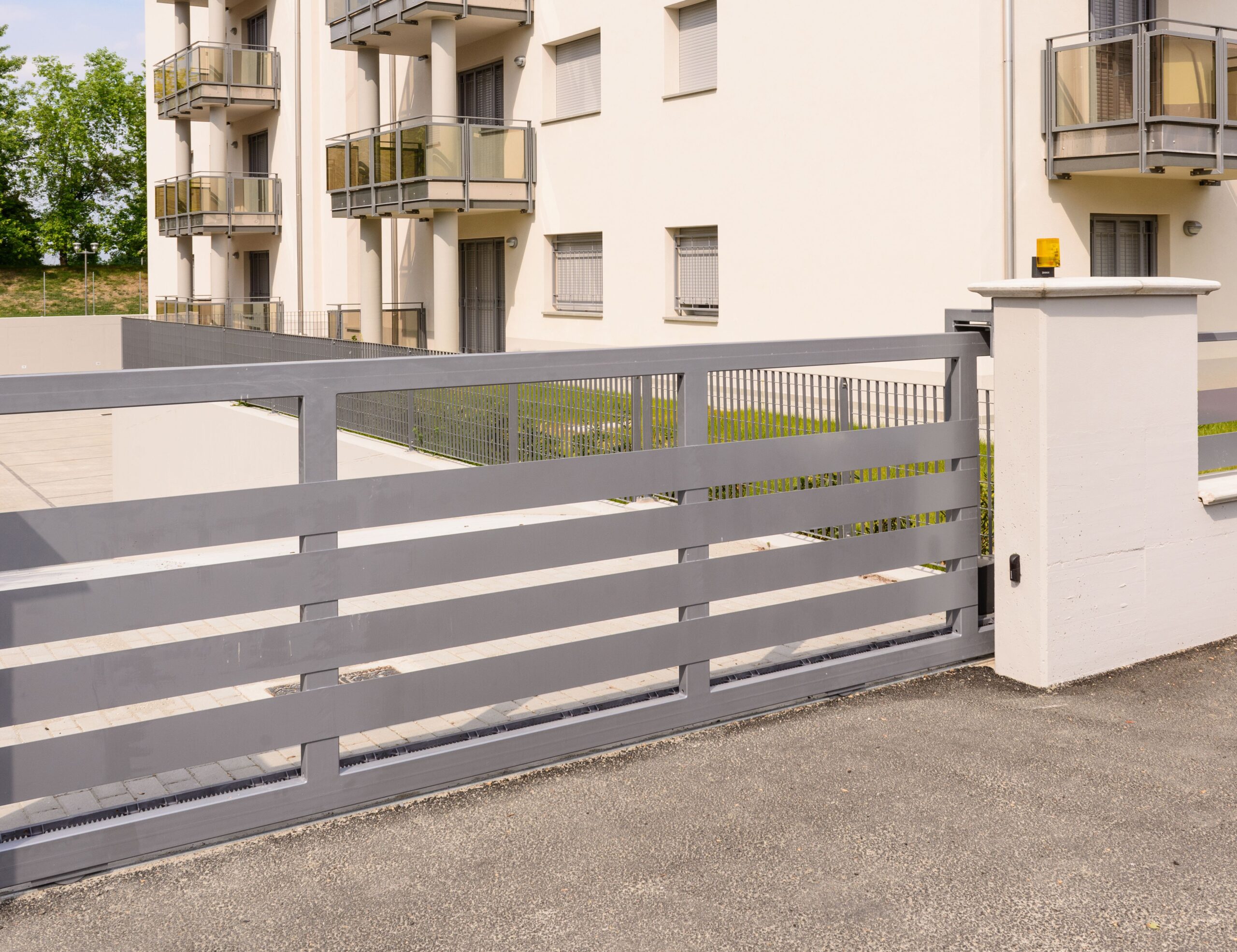
    Homeowners install gates at various places on their property for many reasons. They work as the first level of barrier to protect the property from thieves and intruders. Again, they are much needed for enhancing the privacy of the area like the home and the garden. A gate can also change the aesthetic look of the entire premises and portrays the owner’s character, taste, and personality. Thus, property owners spend money to install them for many reasons. However, before you install a gate, it is best to know about them a bit and not jump the gun.

    Brainstorming About Them

    Knowing the salient features and characteristics of gates will help you find the best option for your premises:

    1. The Material of The Post – The material of the gate plays an important role in enhancing the strength and durability of the gate. The material of the post plays an important part. It can be stucco, natural stone, wood, or even concrete. However, natural stone is much more durable and has more aesthetic looks than others. Again, natural stone is much more expensive than other materials. Therefore, consider your budget and select the material of the post accordingly.

    2. The Gate Material – Many materials are used to make a gate. You can choose timber, steel, wrought iron, aluminium, etc. Today many manufacturers even make them in PVC materials. If you want to shift from the monotony and can maintain them in the long run, nothing can match the wood. The property looks much more elegant with a wooden gate. Again, wrought iron is also a preferred choice for many people. They are easy to fabricate and have a perfect design to last the extreme outdoor weather.

    You can select steel if you are looking for a less expensive yet the most secured material. Steel is exceptionally robust and hard to break. This barrier is best used for indoor purposes. For example, a high-marked gate should be your choice if you consider protecting your property. Consider the security aspect before selecting the material and the height of the gate. Intruders cannot easily climb the high gate and come inside your premises. Again, if you want your kids to stay protected from your pets, it is best to temporarily use the UPVC gate and uninstall it when you grow up.

    3. Follow Local Rules – It is not always possible to install all types of gates in a locality. Some local authorities have laws about the gate’s height and location. You should check the rules and bylaws of your local body and only select the right type. The best supplier and the manufacturer in your area can also guide you in the subject. Take their help and discuss every aspect before ordering the gate.

    4. The Operational Part – You can install a gate that can be operated manually or through a pulley and motor. Automated ones are costlier than manual ones. However, you can operate them without effort except by pressing some buttons. Today, they can be operated with voice commands as the technology has developed fast. Again, if you have little space, it is better to install a sliding gate than a swing one. Consider all these factors before ordering them from your area’s best supplier or manufacturer. Decide on your choice and then only order. You can order them online as most of the best suppliers have online business platforms.

    Conclusion

    It is time to install proper gates following the local rules and bylaws and stay protected. A gate not only enhances the security levels of your property but also increases the aesthetic looks. Installing proper gates in the right places can increase your property value to a much extent. Install the best gate and stay safe and relaxed.

  • An Innovation of a Kind – The Back Garden Office Pod

    An Innovation of a Kind – The Back Garden Office Pod

    With the work from home trend in full swing, a back garden office pod has become the ideal   home office. Working from home is now the new normal that is here to stay. So, if you do not have one, then you might as well try to get one for yourself.

    What Do You Mean by Back Garden Office Pod?

    A back garden office pod is a small building in your garden that is    designed to function and work as your modern office from home. As it is totally detached from the main home, it has many advantages over an office in the main home building.

    Today they are increasingly being constructed in homes, serving the need of an office while creating a space that is aesthetically pleasing too.   Modern and beautiful pod designs have found their way into the mainstream market across the world. A back garden office pod has become one of the reasons why people prefer to work from home.

    The Advantages of Back Garden Office Pods

    There are many advantages of a back garden office pod.

    • Being very compact in size and space they can fit into any corner of your garden. You do not fully use up your garden space leaving space for the family to enjoy also.
    • Relatively new in the market, back garden office pods are extremely stylish and modern looking, making them a stylish attachment to your home.
    • It is totally and absolutely your own space and that allows room for customization according to your needs. You can add all the essentials into that one little space that you call your own.
    • They are designed in such a manner that in most countries you do not require extra permission to erect your own back garden office pod. It is detached from your home which means that you do not disturb your family and your work life continues uninterrupted. You can concentrate on your job better in your little comfort zone.
    • Quality of the pod that you choose is in your control and when you get a superior quality back garden office pod, it adds to the resale value of your home.
    • You can use that little space all year round because it is designed to be used so. Today’s back garden office pods are built to suit every season so you will be comfortable all through the year.
    • They are very professional looking and secure at the same time. Nothing can go wrong with your work when you are in there because you get the advantage of concentrating. They are also designed for your safety.

    Reasons Why You Need Them

    The reasons why a back garden office pod is required are obvious.

    • It helps you to keep home and work life separate and in balance
    • Offers plenty of personal space and privacy that is required in everyone’s life
    • The silence zone that is created because of it is much needed and welcome when you are trying to concentrate on your work
    • It gives you a very well-defined space that you call your very own. It acts as a kind of retreat for you to carry out your professional commitments with perfection

    With so much to look forward to in a back garden office pod, you might as well get yourself one that could help you find a comfort zone where you can work in peace and spend some extra hours there without the disturbances that usually accompany work from the actual home area.