
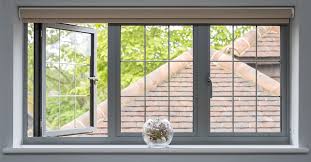
Durability is a critical consideration when selecting windows for housing projects. Poor material choices often lead to frequent repairs, declining performance, and premature replacement, all of which increase maintenance costs and affect comfort and safety over time. Aluminium window design addresses these challenges through material strength, precise engineering, and long-term dimensional stability. Unlike short-life alternatives, aluminium systems maintain structural reliability even after prolonged exposure to environmental stress.
Material behaviour and long-term stability
Every durable window system begins with how the material responds to load, movement, and environmental conditions. Aluminium offers a high strength-to-weight ratio, allowing frames to remain rigid without excessive bulk. This stability helps prevent bending, warping, or sagging as buildings age.
In housing applications, aluminium does not absorb moisture and remains stable across temperature changes. A well-considered aluminium window design maintains alignment throughout seasonal cycles, supporting smooth operation and dependable locking. Reduced movement within the frame also limits wear on internal components, extending service life.
Engineering precision and structural alignment
Durability depends as much on manufacturing accuracy as on material selection. Aluminium enables precise profile engineering, ensuring consistent geometry across window units. Accurate profiles maintain controlled tolerances between frames, glazing, and sealing systems.
When the load is distributed evenly across joints and corners, stress concentration is reduced. This protects frames from distortion and preserves alignment over time. Consistent alignment also ensures uniform gasket compression, supporting reliable air-tightness and water-tightness throughout the window’s lifespan.
Environmental resistance through design detailing
Windows are continuously exposed to rain, wind pressure, dust, and temperature variation. Aluminium is naturally corrosion-resistant, making it suitable for long-term outdoor use. This resistance is strengthened when the design incorporates effective drainage paths and sealing strategies.
Water management channels direct moisture away from vulnerable areas, while controlled sealing limits dust ingress and protects hardware from abrasion. These measures reduce environmental wear and help aluminium systems maintain functional performance over extended periods.
Surface treatments and long-term protection
Surface treatment plays a functional role in durability. Anodised finishes form a controlled oxide layer that strengthens aluminium against corrosion and surface degradation. This treatment improves resistance to ultraviolet exposure and urban pollutants.
Within window systems, surface protection supports both appearance and performance. Treated aluminium surfaces retain integrity with minimal maintenance, reducing the risk of surface breakdown and supporting long-term reliability in housing environments.
Structural performance for larger openings
Larger window openings introduce higher structural demands, particularly in housing designs that prioritise daylight and visual openness. Frame stability, load distribution, and resistance to long-term fatigue are critical to maintaining performance over time.
Load management and frame stability
Contemporary housing design often includes wider openings to increase daylight and visual connection. Larger glass panels place greater structural demands on frames. Aluminium meets these requirements with reinforced profiles that effectively manage glass loads.
Controlled deflection reduces vibration under wind loads and improves fatigue resistance. Structural stability under repeated environmental loading helps preserve frame integrity and glazing performance over time.
Hardware integration and operational lifespan
The durability of a window system is closely linked to how well hardware components interact with the frame over repeated use. Proper integration ensures that moving parts continue to operate smoothly without placing stress on the surrounding structure.
Alignment and reduced wear
Durability extends beyond frames to include rollers, locks, and handles. Aluminium provides a stable base for precise hardware installation. When frames remain aligned, hardware operates under reduced friction and stress.
Early consideration of hardware integration supports smooth operation across repeated use cycles. Reduced wear on moving components lowers maintenance requirements and contributes to long-term usability in residential settings.
Performance across varied housing climates
Housing projects across India experience diverse climate conditions, including coastal humidity, urban pollution, and seasonal heat cycles. Aluminium systems perform reliably when designs account for these variations.
Climate-responsive detailing helps maintain air-tightness, water-tightness, and acoustic control despite temperature changes. Stable performance protects interior comfort and reduces the risk of long-term deterioration.
Durability principles applied to doors
Doors are handled more frequently than windows, making structural control and alignment essential for long-term performance. Applying the same engineering logic across openings helps maintain consistency and reliability throughout the building envelope.
Consistency across the building envelope
The same principles apply to Aluminium door Design, where repeated opening and closing and load stress are standard. Aluminium doors resist deformation from continuous use and pressure fluctuations.
Firm profiles, stable hinges, and controlled sealing help maintain alignment and long-term air and water control. Using aluminium doors alongside aluminium windows supports consistent durability and simplifies maintenance planning.
Conclusion
Long-term durability depends on informed design decisions rather than short-term cost considerations. Aluminium window systems deliver reliability through material stability, precise engineering, and resistance to environmental stress. Stable profiles support air-tightness, water-tightness, wind-load resistance, and acoustic performance over years of use. When integrated with aluminium doors, including systems based on Aluminium door Design, these solutions deliver consistent performance throughout the home’s lifecycle, reduce maintenance effort, and protect long-term value in housing projects.