
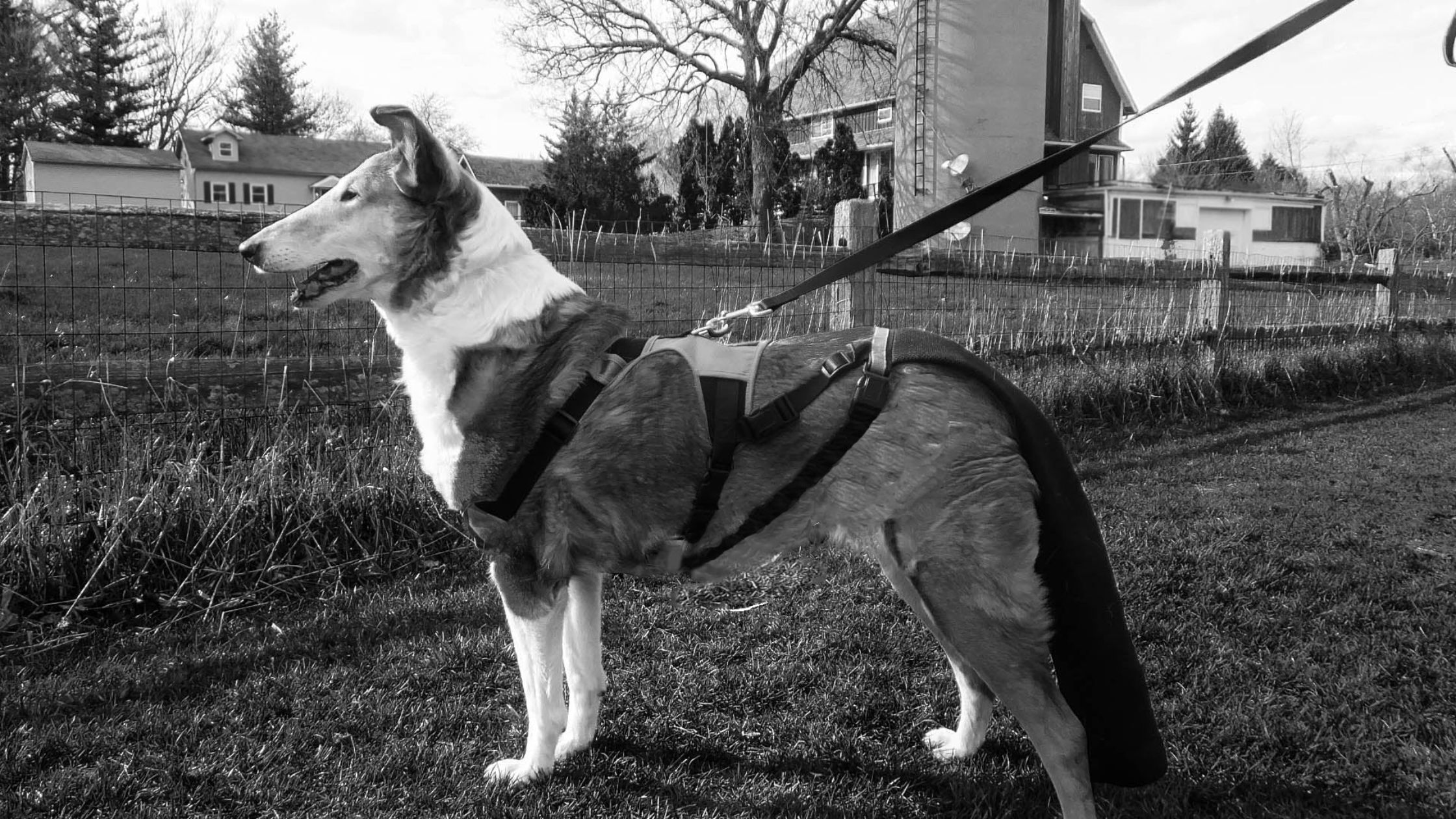
Tail injuries in dogs are often underestimated until they become a recurring and painful problem. Many dog owners first notice a small wound at the tip of the tail, only to find it reopening again and again due to constant wagging. This is commonly known as happy tail syndrome, and without the right protection, healing can be slow and frustrating. Understanding how a Happy Tail Protector for Dogs works can help owners make informed decisions and prevent long term complications.
What Causes Happy Tail Injuries in Dogs
Dogs communicate emotions through their tails. Excitement, anxiety, curiosity, and happiness all trigger wagging. When a dog has a strong wag and lives in an environment with hard surfaces like walls, furniture, kennels, or crates, the tail can strike repeatedly. Over time, this impact damages the skin and blood vessels, especially near the tail tip where there is little padding.
Once injured, the tail becomes vulnerable. Even gentle wagging can reopen the wound, leading to bleeding, scabbing, and infection. Traditional bandages often fail because they slip off or become soaked and dirty. This cycle makes proper protection essential.
Why Standard Bandages Are Often Not Enough
Bandages were not designed for tails. The shape of a dog’s tail and the constant movement make it difficult for wraps to stay in place. Tape can cut off circulation, and bulky wraps may irritate the skin. Dogs may also chew or pull at loose bandaging, making the injury worse.
A dedicated tail protection solution addresses these challenges by staying secure while allowing the dog to move naturally. Stability and comfort play a major role in whether a tail injury heals successfully.
How a Tail Protector Supports Healing
A properly designed tail protector cushions the tail against impact and reduces the force of wagging. This minimizes repeated trauma, which is the main reason happy tail injuries fail to heal. By limiting excessive motion and absorbing shock, the injured tissue is given time to repair itself.
Breathability is also important. Healing skin needs airflow to stay clean and dry. Protective systems that trap moisture can lead to irritation or infection. Tail protection designed with airflow in mind helps maintain a healthy healing environment.
The Importance of Secure Fit and Support
One of the most critical factors in tail protection is how well it stays in place. A protector that slides or twists can rub against the wound and cause more harm than good. Support systems that anchor the tail protector to a lightweight harness help distribute movement across the body rather than concentrating it at the injury site.
This approach improves comfort and prevents the protector from slipping off during daily activity. Dogs can walk, rest, and use the bathroom normally while still being protected.
When a Dog May Benefit from Tail Protection
Tail protection is useful for dogs recovering from happy tail syndrome, cracked tails, open wounds, or post-surgical care. It can also be helpful for dogs that repeatedly injure their tails due to anxiety, confinement, or high energy behavior.
Veterinarians often recommend tail protection to avoid more serious outcomes such as infection or tail amputation. Early intervention with proper protection can significantly reduce healing time and discomfort.
Caring for a Dog with a Tail Injury
Owners should regularly inspect the tail for signs of improvement or irritation. Cleaning the protector and keeping the wound area dry are key parts of recovery. A well-designed system allows easy removal and reapplication without disturbing the healing process.
Consistency is important. Tail protection should be worn as recommended until healing is complete to prevent setbacks caused by premature removal.
Why Many Owners Choose K9 TailSaver?
K9 TailSaver is designed specifically for managing real tail injuries. Rather than relying on temporary wraps, it uses a structured tail sleeve combined with a support harness to provide consistent protection. This design helps prevent twisting, slipping, and repeated impact, even in active dogs.
The system focuses on comfort, stability, and durability. It allows dogs to move naturally while protecting sensitive tail injuries, making daily life easier for both pets and their owners.
Final Thoughts
Happy tail injuries can quickly turn into long term problems if not managed correctly. Educating yourself about tail protection and choosing a solution built for stability and healing can make a meaningful difference. With the right care and protection, dogs can heal comfortably and return to their normal routines without ongoing pain or frustration.