
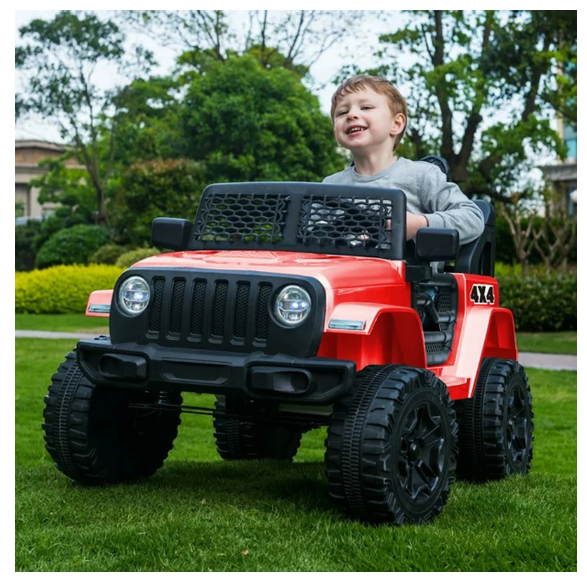
Electric jeeps designed for children combine excitement with responsibility, making steering safety a central part of their design. A well-built remote control ride on jeep balances independence for kids with reassurance for parents by integrating thoughtful engineering, intuitive controls, and protective elements. From the shape of the steering wheel to advanced electronic support systems, every design choice contributes to smoother handling and safer movement during play.
1. Ergonomic Steering Systems for Young Hands
Electric jeeps are built with steering mechanisms tailored to a child’s physical abilities. The size, resistance, and responsiveness of the steering wheel are carefully calibrated to prevent overcorrection and sudden turns. This ensures children can guide the vehicle confidently without strain or loss of control.
- Scaled Steering Wheel Diameter
A smaller wheel fits comfortably in young hands, allowing a firm grip without fatigue. This helps children maintain steady control during longer play sessions and reduces the likelihood of accidental jerks. - Gentle Steering Resistance
Moderate resistance prevents the wheel from spinning too freely. This design choice supports smoother turns and discourages sharp movements that could destabilize the vehicle. - Non-Slip Grip Materials
Textured or rubberized surfaces improve hand traction. Even if a child’s hands become sweaty, the steering remains secure and predictable.
2. Speed Limitation Integrated into Steering Control
Speed and steering are closely connected in electric ride-on vehicles. Designers often integrate speed control systems that automatically limit acceleration when steering input increases, helping maintain balance during turns.
- Low-Speed Turning Calibration
When the steering wheel is turned sharply, the vehicle maintains a reduced speed. This minimizes centrifugal force and keeps the jeep stable on various surfaces. - Progressive Acceleration Response
Acceleration builds gradually rather than instantly. This gives children time to adjust steering input and prevents sudden lurches. - Preset Speed Modes
Multiple speed settings allow parents to select an appropriate level based on the child’s age and experience. Lower speeds enhance steering accuracy for beginners.
3. Chassis Balance and Wheel Alignment Design
A stable structure plays a major role in safe steering. Electric jeeps are engineered with balanced chassis layouts and precise wheel alignment to ensure predictable movement.
- Wide Wheelbase Construction
A wider distance between wheels lowers the center of gravity. This design reduces tipping risks during turns and supports confident steering. - Precision Wheel Alignment
Proper alignment ensures the jeep moves in the direction intended by the steering input. This prevents drifting or pulling to one side. - Reinforced Frame Support
A sturdy frame absorbs minor bumps and vibrations. This keeps the steering response consistent even on uneven ground.
4. Electronic Steering Assistance Features
Modern electric jeeps often include electronic elements that support steering safety without reducing fun. These systems work quietly in the background to guide movement.
- Steering Input Sensors
Sensors detect abrupt or excessive steering actions. The system can subtly adjust power delivery to keep motion smooth. - Automatic Straightening Response
When the steering wheel is released, the wheels gently return to a straight position. This helps children regain control quickly after a turn. - Motor Cut-Off Protection
If resistance exceeds safe limits, the motor temporarily reduces output. This prevents strain on both the steering system and the child.
5. Parental Override and Assisted Navigation
Parental involvement is a key element in steering safety, especially for younger riders. Many electric jeeps include systems that allow adults to guide movement when needed, making the jeep ride on toy suitable for different age groups.
- Remote Steering Assistance
Parents can guide direction from a distance during crowded or narrow spaces. This ensures safe navigation without taking away the child’s enjoyment. - Emergency Stop Function
A single command can halt the vehicle instantly. This feature is crucial for preventing collisions or unsafe situations. - Smooth Transition Between Controls
Control shifts seamlessly between child and parent input. This avoids sudden changes in direction or speed.
6. Steering Angle Limitation for Safer Turns
Limiting the maximum steering angle is another effective safety feature. This prevents excessively sharp turns that could lead to instability.
- Built-In Turning Radius Limits
The wheels are designed to turn only within a safe range. This ensures controlled arcs rather than abrupt pivots. - Consistent Turn Response
Equal steering response on both sides keeps movement predictable. Children quickly learn how the jeep reacts to their input. - Reduced Risk on Uneven Surfaces
Controlled angles help maintain balance on grass, pavement, or compact soil. This versatility supports safer outdoor play.
7. Visual and Tactile Steering Feedback
Children rely on sensory cues to understand control. Designers incorporate visual and tactile feedback to help kids recognize steering limits and direction.
- Center Markings on Steering Wheel
Visual indicators show when the wheels are straight. This helps children orient themselves easily. - Click or Resistance Points
Subtle feedback lets kids feel when they reach steering limits. This discourages forcing the wheel further. - Intuitive Dashboard Layout
Simple layouts reduce distraction and help children focus on steering and surroundings.
8. Integration with Overall Ride-On Safety Design
Steering safety works best when integrated with the entire vehicle design. The ride on toy car benefits from coordinated systems that support controlled movement.
- Seat Positioning and Support
Proper seating posture allows better reach and steering control. Side supports keep children stable during turns. - Tire Grip and Tread Design
Tires with adequate grip ensure steering commands translate accurately to movement. This reduces skidding during turns. - Suspension Compatibility
Suspension systems absorb shocks without affecting steering alignment. This keeps handling consistently across surfaces.
Conclusion
Safe steering in children’s electric jeeps is the result of thoughtful design rather than a single feature. Ergonomic controls, balanced structures, electronic assistance, and parental guidance systems work together to create a secure and enjoyable riding experience. Brands that prioritize these elements help children build confidence while giving parents peace of mind. Iskaa Bengaluru stands out by offering electric ride-on jeeps crafted with attention to steering safety, durable construction, and user-focused design, making outdoor play both exciting and responsibly engineered.