
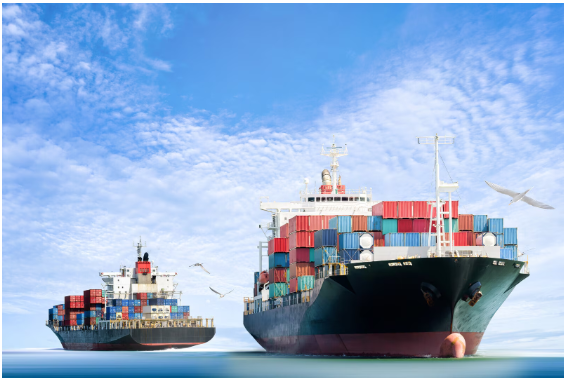
India’s position as a major global trading nation depends heavily on its maritime infrastructure and logistics capabilities. With over 90 percent of the country’s international trade by volume moving through sea routes, ocean logistics in India plays a vital role in supporting economic growth, industrial expansion, and global connectivity. From raw material imports to finished goods exports, efficient ocean freight operations ensure that supply chains remain stable and competitive.
At the center of these operations is the shipping company, which acts as a critical link between exporters, importers, ports, and global markets. Understanding how ocean logistics functions and the responsibilities of a shipping company provides valuable insight into the mechanisms that keep international trade moving efficiently.
Overview of Ocean Logistics in India
Ocean logistics refers to the planning, execution, and management of cargo movement through sea transport. In India, this system operates across an extensive network of ports, shipping routes, and logistics providers.
-
India’s Maritime Infrastructure
India has a long coastline and a network of major and minor ports that handle diverse cargo types. These ports support containerized cargo, bulk commodities, liquid cargo, and specialized shipments. Continuous investments in port modernization and connectivity have strengthened India’s ability to manage growing trade volumes.
-
Importance of Ocean Freight in Trade
Ocean freight remains the most cost-effective solution for transporting large volumes of goods over long distances. For industries such as manufacturing, agriculture, energy, and chemicals, ocean logistics provides scalability and reliability that other transport modes cannot offer.
-
Integration with Inland Logistics
Ocean logistics in India is closely integrated with road, rail, and inland container depots. This multimodal approach ensures that cargo moves seamlessly from factories to ports and onward to international destinations.
The Core Functions of a Shipping Company
A shipping company is responsible for managing the end-to-end movement of cargo across sea routes. Its role extends beyond transportation to include coordination, compliance, and risk management.
-
Cargo Transportation and Vessel Operations
The primary responsibility of a shipping company is to transport goods safely and efficiently. This includes managing vessel schedules, route planning, and capacity allocation to meet customer requirements while optimizing operational efficiency.
-
Freight Booking and Documentation
Shipping companies handle freight bookings, issue bills of lading, and manage essential shipping documents. Accurate documentation is critical for customs clearance, insurance, and legal compliance in international trade.
-
Regulatory and Compliance Management
International shipping involves complex regulations related to customs, safety, and environmental standards. Shipping companies ensure compliance with national and international maritime laws, reducing risks for exporters and importers.
Types of Ocean Logistics Services
Ocean logistics in India encompasses a wide range of services designed to meet diverse cargo needs.
-
Containerized Shipping
Container shipping is the most common method for transporting general cargo. Standardized containers improve efficiency, reduce handling risks, and enable easy integration with other transport modes.
-
Bulk and Breakbulk Cargo
Bulk shipping is used for commodities such as coal, grain, and minerals, while breakbulk cargo involves oversized or project shipments. These services require specialized vessels and handling expertise.
-
Specialized Cargo Handling
Certain goods, such as refrigerated products, hazardous materials, and high-value equipment, require specialized logistics solutions. Shipping companies provide tailored services to ensure safety and compliance.
Role of Shipping Companies in Supply Chain Efficiency
Shipping companies contribute significantly to the overall efficiency of global supply chains.
-
Reliability and Schedule Management
Consistent schedules and reliable transit times help businesses plan inventory and production more effectively. Shipping companies work to minimize delays through efficient route planning and coordination.
-
Cost Optimization
By leveraging economies of scale and optimized vessel utilization, shipping companies help reduce transportation costs for businesses engaged in international trade.
-
Risk Mitigation
From weather disruptions to port congestion, maritime transport involves various risks. Shipping companies manage these risks through contingency planning, insurance coordination, and proactive communication.
Technology and Digitalization in Ocean Logistics
The adoption of technology has transformed ocean logistics in India, improving transparency and operational control.
-
Digital Tracking and Visibility
Real-time tracking systems allow customers to monitor cargo movement throughout the journey. This visibility enhances trust and enables better decision-making.
-
Automated Documentation
Digital documentation reduces errors, speeds up processing, and improves compliance. Many shipping companies now use electronic bills of lading and integrated logistics platforms.
-
Data-Driven Decision Making
Advanced analytics help shipping companies optimize routes, predict demand, and manage capacity more effectively, leading to improved service quality.
Challenges in Ocean Logistics and How Shipping Companies Address Them
Despite advancements, ocean logistics faces several operational challenges.
-
Port Congestion and Infrastructure Constraints
High cargo volumes can lead to congestion at ports. Shipping companies coordinate closely with port authorities and logistics partners to minimize delays.
-
Regulatory Changes
Frequent changes in trade policies and customs regulations require constant monitoring. Experienced shipping companies stay updated and guide clients through compliance requirements.
-
Environmental and Sustainability Pressures
The shipping industry is increasingly focused on reducing emissions and environmental impact. Shipping companies invest in fuel-efficient vessels and sustainable practices to meet global standards.
Importance of Choosing the Right Shipping Company
Selecting a reliable shipping company is essential for businesses involved in international trade.
-
Industry Experience and Network
An experienced shipping company with a strong global network can offer better routing options, faster transit times, and reliable partnerships.
-
End-to-End Service Capability
Comprehensive services, including customs support, warehousing, and inland transportation, simplify logistics management for businesses.
-
Customer Support and Communication
Clear communication and responsive customer support ensure that clients are informed and confident throughout the shipping process.
Conclusion
Ocean logistics forms the backbone of India’s international trade, enabling the smooth movement of goods across global markets. A professional shipping company plays a crucial role in managing transportation, compliance, and coordination, ensuring that supply chains operate efficiently and reliably. As ocean logistics in India continues to expand, businesses that partner with experienced logistics providers are better positioned to navigate complexities and achieve long-term success.
AVR Logistics offers comprehensive ocean logistics solutions with a strong focus on reliability, compliance, and customer satisfaction. With expertise in international freight movement and supply chain coordination, the company supports businesses in managing global trade operations efficiently and professionally.