
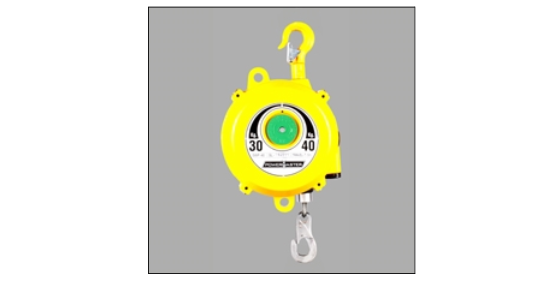
In modern manufacturing facilities, streamlining operations while ensuring worker safety is a critical priority. One solution that has become indispensable on assembly lines and production floors is the use of spring balancers. These devices are engineered to support and balance heavy tools or equipment, allowing workers to operate with minimal strain and maximum precision. By integrating spring balancers into the workflow, manufacturers can optimize both productivity and workplace ergonomics, making them a cornerstone of efficient industrial operations.
1. Enhanced Worker Ergonomics
Manufacturing tasks often require repetitive lifting and positioning of heavy tools, which can lead to fatigue, musculoskeletal injuries, and reduced output. Spring balancers help alleviate these challenges by effectively suspending the weight of tools, enabling employees to handle equipment with minimal effort. The balanced load allows for smoother, controlled movements, reducing physical strain and promoting a safer work environment. Over time, this improvement in ergonomics directly translates to higher productivity and fewer workplace injuries, which is a significant advantage for any facility focused on long-term efficiency.
2. Increased Precision in Operations
Precision is critical in industries like automotive assembly, electronics manufacturing, and metalworking. Spring balancers ensure that tools are perfectly balanced and easily maneuverable, allowing operators to perform tasks with greater accuracy. The controlled movement of tools, without sudden jerks or drops, contributes to consistent assembly quality and reduces the likelihood of errors. This level of precision not only improves product quality but also minimizes material wastage, thereby supporting cost-effective production practices.
3. Streamlined Workflow and Reduced Downtime
By suspending tools in an accessible and ready-to-use position, spring balancers eliminate the need for workers to constantly lift or reposition heavy equipment manually. This efficiency reduces the time spent on repetitive movements and ensures that tools are always within reach. As a result, assembly lines move more smoothly, bottlenecks are minimized, and overall operational throughput is enhanced. The reliability of spring balancers ensures that manufacturing processes maintain a steady pace, improving both workflow continuity and staff efficiency.
4. Extended Equipment Lifespan
Industrial environments are demanding, and frequent tool handling can lead to wear and tear. Spring balancers reduce direct handling and the impact of accidental drops, thereby prolonging the lifespan of expensive machinery and tools. By mitigating unnecessary stress and strain on equipment, facilities experience lower maintenance costs and fewer replacements. This not only protects capital investment but also contributes to a more sustainable and cost-efficient manufacturing process.
5. Versatility Across Industrial Applications
One of the key advantages of spring balancers is their adaptability across a wide range of industrial settings. From automotive plants to electronics assembly lines, these devices can accommodate tools of varying weights and dimensions. With adjustable tension settings, operators can customize the balance for different tasks, ensuring optimal performance regardless of the production requirements. This versatility makes spring balancers a practical solution for diverse manufacturing environments seeking to optimize efficiency and safety simultaneously.
Conclusion
Adopting an industrial spring balancer in manufacturing operations can significantly enhance worker ergonomics, precision, workflow efficiency, equipment longevity, and adaptability across tasks. Companies aiming for superior productivity and safer workplaces can rely on high-quality solutions like those offered by Powermaster America LLC. Known for its durable and innovative spring balancers, Powermaster America LLC has been a trusted provider for industries worldwide, delivering equipment that seamlessly integrates safety and efficiency into modern manufacturing processes.