
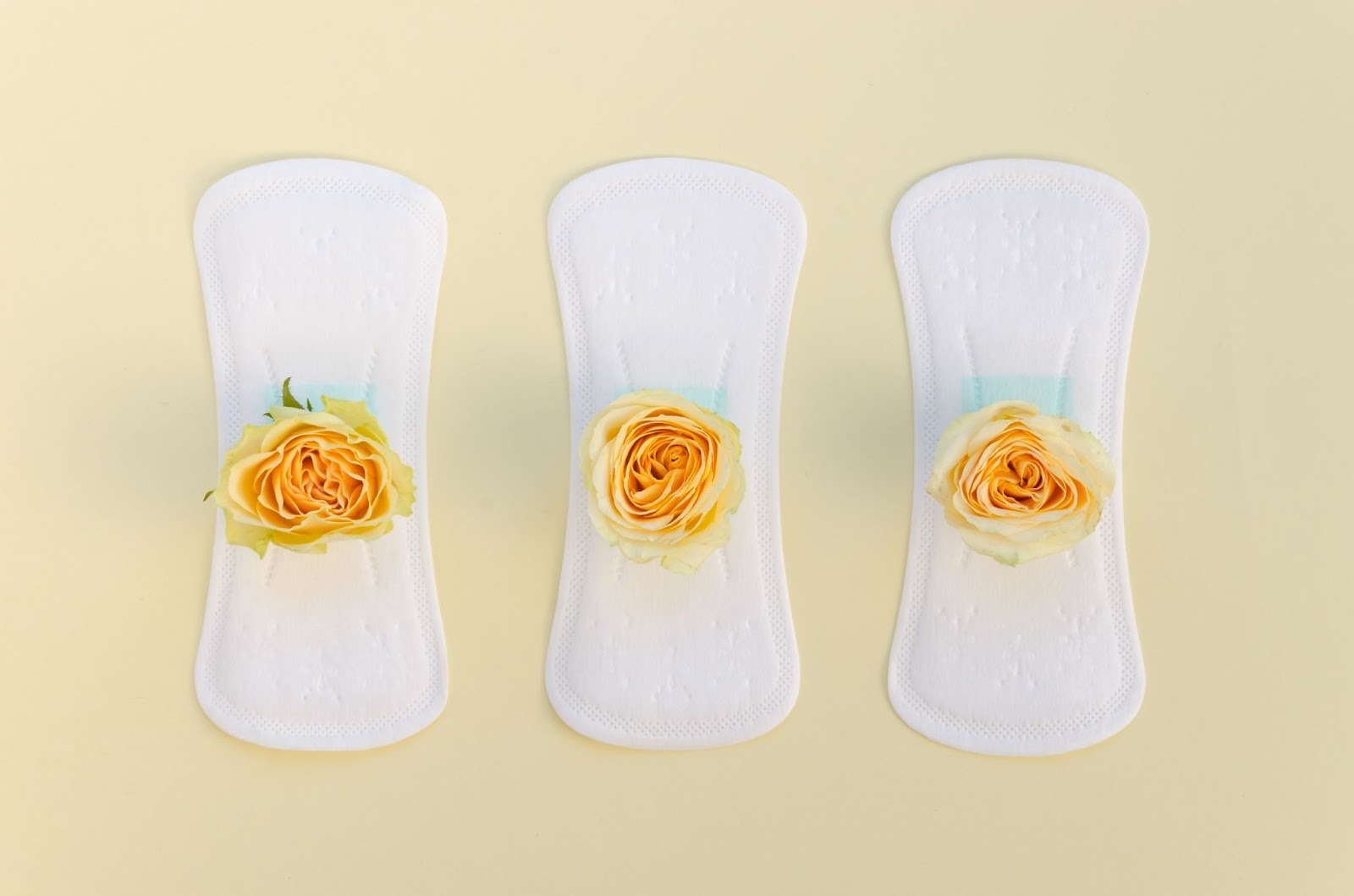
Maintaining optimal menstrual hygiene is a cornerstone of women’s health. Among all menstrual care products, sanitary pads remain one of the most widely used and trusted options across the world. However, a common and critical question persists: how often should sanitary pads be changed? In this comprehensive guide, we address this topic with clarity, accuracy, and depth, offering practical insights that support comfort, hygiene, and overall well-being.
Understanding the Importance of Changing Sanitary Pads Regularly
Regularly changing sanitary pads is essential to prevent bacterial growth, skin irritation, unpleasant odor, and infections. Menstrual blood, when absorbed into a pad, creates a warm and moist environment that can quickly become a breeding ground for bacteria if left unchanged.
We emphasize that proper pad-changing habits are not merely about comfort they are a fundamental aspect of intimate health care. Ignoring this can lead to rashes, itching, urinary tract infections, and even reproductive health complications.
How Often Should You Change Sanitary Pads?
General Recommendation
We recommend changing sanitary pads every 4 to 6 hours, regardless of the flow. This timeframe ensures hygiene, freshness, and skin safety throughout the day.
During Heavy Flow Days
On days with heavy menstrual flow pads should be changed every 3 to 4 hours or sooner if the pad feels saturated. Prolonged use during heavy flow increases the risk of leakage and bacterial buildup.
During Light Flow or Spotting
Even during light flow, pads should not be worn for more than 6 hours. Light bleeding still contains moisture and bacteria, making timely changes essential.
Overnight Use
For nighttime, we recommend using overnight or extra-long pads designed for extended wear. Even then, pads should be changed immediately upon waking to maintain hygiene.
Signs That Indicate You Need to Change Your Pad Immediately
We advise changing your sanitary pad immediately if you notice:
- A wet or heavy feeling
- Unpleasant odor
- Leakage or stains
- Itching, burning, or discomfort
- Visible clots filling the pad
These signs indicate that the pad has reached its absorption limit or has been worn for too long.
Health Risks of Not Changing Sanitary Pads Frequently
Neglecting timely pad changes can lead to several health concerns, including:
Skin Rashes and Irritation
Continuous contact with moisture and friction can cause chafing, redness, and rashes, especially for sensitive skin.
Bacterial and Fungal Infections
A damp environment promotes the growth of harmful microorganisms, increasing the risk of vaginal infections and urinary tract infections (UTIs).
Unpleasant Odor
Menstrual blood oxidizes when exposed to air, producing a strong odor if pads are not changed regularly.
Toxic Shock Syndrome (TSS)
While rare and more commonly associated with tampons, poor menstrual hygiene can still contribute to severe infections if ignored.
Choosing the Right Sanitary Pad for Better Hygiene
Selecting the right pad plays a crucial role in how often it needs to be changed and how comfortable you feel.
Absorbency Level
We recommend choosing pads based on your flow:
- Light absorbency for spotting or light days
- Regular absorbency for moderate flow
- Heavy or overnight pads for heavy flow and nighttime use
Breathable and Skin-Friendly Materials
Pads made with breathable layers, cotton topsheets, and chemical-free materials reduce the risk of irritation and promote airflow.
Length and Fit
Longer pads with broader back coverage provide better protection during heavy flow and overnight use, minimizing leaks.
Day vs Night Pad Changing Routine
Daytime Hygiene
During the day, frequent movement and activity require more frequent pad changes. We suggest carrying spare pads and maintaining a regular changing schedule.
Nighttime Hygiene
At night, use pads specifically designed for extended wear. However, ensure the pad is changed first thing in the morning to prevent prolonged exposure.
Sanitary Pad Changing Tips for Maximum Comfort
We follow and recommend these best practices:
- Wash your hands before and after changing a pad
- Clean the intimate area with plain water or gentle, fragrance-free cleansers
- Avoid using scented pads if you have sensitive skin
- Dispose of used pads properly in wrapped paper or disposal bags
- Never flush sanitary pads down the toilet
How Lifestyle and Climate Affect Pad Changing Frequency
Hot and Humid Weather
In warm climates, sweating increases moisture levels, requiring more frequent pad changes to prevent discomfort and odor.
Physical Activity
During workouts or long travel hours, pads may fill faster. We recommend changing pads before and after physical exertion.
Sanitary Pads and Teenage Girls: Special Considerations
For teenagers and first-time users, education on pad-changing frequency is critical. We encourage:
- Changing pads every 4 hours
- Carrying extra pads to school
- Understanding that discomfort or odor is a sign to change immediately
Building healthy habits early supports long-term menstrual health and confidence.
Eco-Friendly and Organic Pads: Do They Change the Rules?
While organic and eco-friendly sanitary pads are gentler on the skin and the environment, the changing frequency remains the same. Regardless of material, pads must be changed regularly to maintain hygiene and prevent infections.
Conclusion: Prioritizing Hygiene for Menstrual Health
Changing sanitary pads at the right time is a simple yet powerful step toward maintaining menstrual hygiene, comfort, and confidence. By following recommended guidelines, choosing the right pad, and listening to your body’s signals, we ensure protection against infections, discomfort, and unnecessary health risks.
Menstrual care is not just a routine—it is an essential part of women’s overall health. Consistent, informed practices make all the difference.