
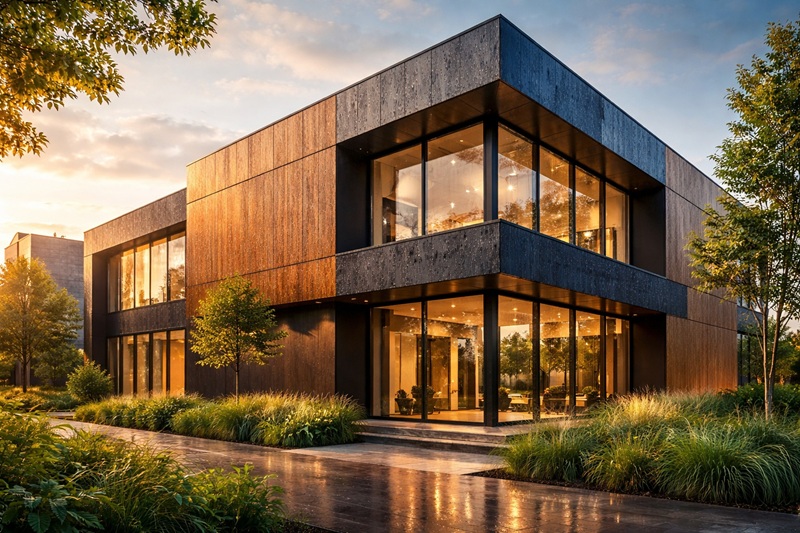
Tired of walls that fade, crack, or demand endless upkeep? HPL cladding steps in as the game-changer for homeowners and builders craving style that lasts. You’ve got uses, benefits, smart pricing, and killer design ideas all lined up here—let’s make your project pop.
Quick question: Why settle for basic when HPL gives you pro-level protection and pizzazz? This high-pressure laminate isn’t just tough; it’s your ticket to low-maintenance beauty on exteriors battered by weather or interiors buzzing with foot traffic. Stick around—you’ll see exactly how to use it, what it costs, and ways to design that turn heads.
What Exactly Is HPL Cladding?
Think of HPL cladding as premium laminate on steroids. Layers of resin-soaked paper get fused under insane heat and pressure—up to 1,000 PSI—creating sheets that laugh off scratches, moisture, and UV rays. It’s not flimsy countertop stuff; exterior-grade versions handle rain, wind, and sun like champs.
You get panels typically 4-20mm thick, cut to size for seamless installs. Inside or out, it bonds to substrates like plywood or metal frames. No more painting every few years. Ever dealt with peeling siding? HPL says goodbye to that headache.
Key Takeaways:
-
Ultra-durable build: Resists impact, fading, and stains for 20+ years.
-
Versatile fits: Exterior facades, interior accents, even ceilings.
-
Eco-edge: Often recyclable, low-VOC, and energy-efficient.
Top Uses for Exterior Walls
Slap HPL on your home’s facade, and watch it shield against the elements. Perfect for rainy Seattle or sunny Arizona—its non-porous surface blocks water ingress, preventing rot or mold. Builders love it for commercial strips too, where high winds test materials daily.
Go ventilated rainscreen style: Air gaps behind panels let moisture escape, boosting longevity. Hospitals, schools, offices? HPL handles heavy foot traffic outside without a dent. One client transformed a drab warehouse into a sleek HQ—neighbors couldn’t stop staring.
-
Commercial buildings: Facades that cut cooling costs by insulating naturally.
-
Residential homes: Siding upgrade that mimics stone or wood without the weight.
-
Urban high-rises: Fire-rated options for safety compliance.
Killer Uses Inside Your Space
Indoors, HPL cladding shines on feature walls, backsplashes, or cabinetry surrounds. Restaurants use it behind bars—wipes clean after spills, no bacteria traps. In homes, accent a living room wall with textured oak-look panels; it warms up open layouts instantly.
High-traffic spots like gyms or lobbies? Its impact resistance means no gouges from carts or chairs. Pair with LED strips for glowy drama. You want that hotel-lobby luxe without the price tag? HPL delivers.
Here’s a quick pros table for interior vs. exterior:
| Aspect | Interior Uses | Exterior Uses |
|---|---|---|
| Durability | Scratch-proof for daily wear | Weather/UV-proof for seasons |
| Maintenance | Soap-water wipe-down | Hose off yearly |
| Design Flex | Textures like fabric or leather | Stone/wood grains that last |
| Best For | Offices, homes, hospitality | Facades, patios, commercial |
Standout Benefits That Save You Time and Money
Durability first: HPL shrugs off abrasion better than vinyl or paint. No fading means your charcoal gray stays sharp for decades. Fire resistance? Class A or B ratings keep insurers happy—crucial post-Grenfell awareness.
Low maintenance seals the deal. Forget scraping or repainting; a rinse keeps it pristine. Energy perks? Insulates to trim HVAC bills by 10-20%. Plus, lightweight install cuts labor costs—no heavy cranes needed.
Feeling the green vibe? Many brands use sustainable resins, slashing your carbon footprint. It’s non-toxic too—no off-gassing like cheap paints. Why go basic when HPL future-proofs your build?
HPL Cladding Prices: What to Expect in 2026
Budget-savvy? Entry-level interior sheets run $5-10 per sq ft, installed. Exterior-grade jumps to $15-30 per sq ft, materials only—think UV-stabilized phenolic resin. Premium textures or fire-rated? Add 20-50%.
| Grade/Type | Price per Sq Ft (Materials) | Installed Cost Estimate |
|---|---|---|
| Interior Basic | $5-12 | $15-25 |
| Interior Premium | $10-20 | $25-40 |
| Exterior Standard | $15-25 | $30-50 |
| Exterior Fire-Rated | $25-40 | $45-70 |
Factors hiking price: Custom colors, thickness (12mm+ for exteriors), brand (Greenlam or Fundermax premium). Bulk buys drop 15-25%. Compare to ACP sheets—HPL often cheaper long-term, no denting. Pro tip: Get quotes from suppliers like Advance Lam for USA deals.
Fresh Design Ideas to Spark Your Project
Rustic Retreat Exterior: Mix HPL wood grains with stone accents. Faux teak panels on a suburban home—cozy curb appeal that fools the eye. Add vertical lines for height illusion.
Indoors, Modern Minimalist: Matte white or concrete-look on kitchen islands. Edge-lit for shadow play. Restaurants dig metallic brushes—industrial chic without rust worries.
Bold Accent Walls: Navy blue textured HPL in bedrooms. Pair with brass fixtures. Outdoors, chevron patterns on garage doors—street cred booster.
For commercial twists:
-
Office Wellness Zones: Soft green biophilic prints, calming and hygienic.
-
Retail Pop: Glossy retail displays that clean in seconds.
-
Hospitality Glow: Backlit perforated HPL for ambient light diffusion.
Mix textures—wood below, metal above—for dimension. Tools like SketchUp let you mock it up free. Your designer will thank you.
Why HPL Beats the Competition
Versus fiber cement: Lighter, more colors, easier cut. Beats metal panels on cost and flexibility—no welding hassles. ACP? HPL wins on fire safety and rigidity.
Real talk: One architect ditched vinyl for HPL on a school project. Zero callbacks in five years. You get that reliability without skimping style.
Wrapping It Up: Your Next Move
HPL cladding nails durability, design, and dollars—inside, outside, everywhere walls matter. From weatherproof exteriors to stain-free interiors, it’s the upgrade you’ve been chasing. Ready to beautify? Hit up Advance Lam today for samples and quotes—your walls deserve this.