
Many teams move to the cloud to gain speed and scale. Yet not every app can move at once. Some data must stay on site for legal or safety reasons. Some systems are too old to be replaced quickly.
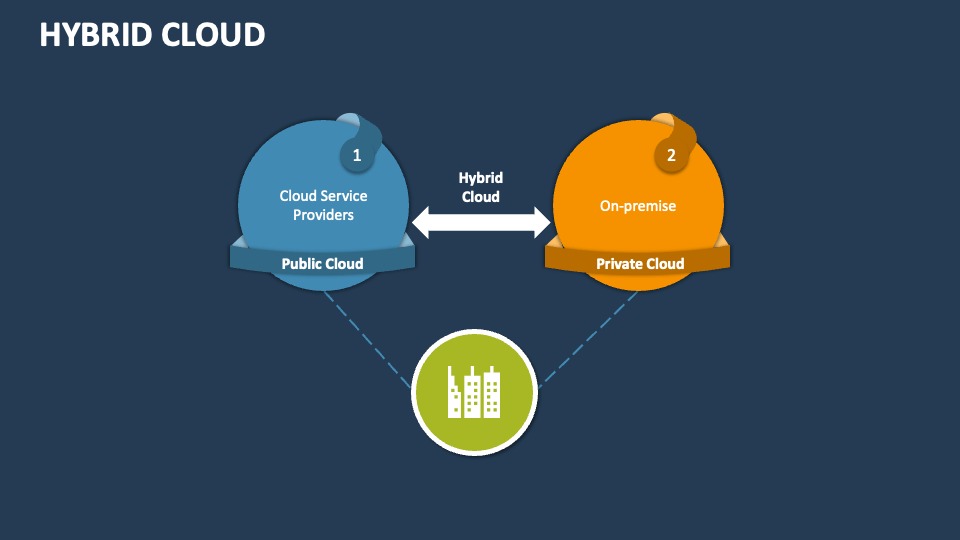
A smart way forward is to blend what you have with what you need. This is where a hybrid cloud computing approach can help. It lets you run some work in public cloud services and keep other work in your own data center.
The goal is not to use every option. The goal is to pick the right place for each workload. In this guide, you will learn how to plan a clear strategy. You will also learn how to run it well over time.
Define Clear Goals And Success Measures
Start by writing down why you want this move. Keep the list short and real. Common goals are faster releases and better uptime, and lower cost. Some goals can clash. Cost saving can fight with speed. Security rules can limit design choices. Bring leaders from IT and security, and finance into the same room. Agree on the top three outcomes that hybrid cloud can solve for your business and team, and then, the next set of measures you can track. Pick simple numbers. For example, release frequency and system uptime and time to restore, and cloud spend. Add a baseline from today. Then set targets for six and twelve months. When teams can see progress, they stay aligned. When targets are missed, you can fix the plan early.
Classify Workloads And Data
Not all workloads are equal. Make a list of apps and services. Note who owns each one and what it does. Then rate each item on a few factors. Start with business value. Add data sensitivity. Add latency needs. Add how often it changes.
Use this list to decide placement. A customer portal that changes weekly may fit the public cloud well. A plant control system may need local speed. A payment system may need extra controls and audits. This step prevents random moves. It also helps you build trust with business owners.
Also, map where data lives and where it flows. Track what data moves between sites. Data movement can raise cost and risk. It can also affect performance. If you plan for it early, you avoid surprises later.
Choose A Reference Architecture
A strategy needs a standard design. Without it, every team will build its own setup. That leads to gaps and higher costs. Choose a reference architecture that fits your size and skill.
Start with network design. Plan how sites connect. Use private links when possible. Add strong identity controls. Plan for DNS and routing, and segmentation. Then decide how you will run apps. Many teams use containers and a platform layer like Kubernetes. This can help you run the same app model in more than one place. It also supports hybrid cloud computing in a consistent way.
Add a shared service layer. This includes logging and monitoring and secrets, and key management. Add a plan for backup and disaster recovery. Design for failure from day one.
Build Strong Security And Governance
Security must be built in. It cannot be an afterthought. Start with identity and access. Use one identity source where you can. Apply least privilege. Review access often.
Encrypt data at rest and in transit. Use key management with clear ownership. Add strong patching and vulnerability scans. Set rules for approved services. Define how teams request new services.
Governance is not about blocking work. It is about safe speed. Create simple policies that teams can follow. Add templates and guardrails. For example, use infrastructure as code for repeatable builds. Add budget alerts and tagging rules so spend is visible. With good governance, your hybrid cloud plan stays under control.
Plan Integration And Data Movement
Integration is where many projects fail. Systems need to talk to each other. Plan this early.
Choose integration patterns that match your needs. Use APIs for most app-to-app calls. Use event streams for loose coupling. Use batch transfers for large files when speed is less critical. Keep interfaces simple.
Data movement needs care. Moving large data sets between sites can cost more than you expect. It can also add a delay. Place data near the apps that use it most. Use caching when needed. For shared data, define a single source of truth. Then design replicas with clear sync rules.
Use Consistent Operations And Observability
Operations should feel the same across environments. If each platform has its own tools, you will burn out your team. Pick a common set of tools for monitoring and logs, and tracing. Create one dashboard view for key services. Set alert rules that reduce noise.
Define incident response steps. Run drills. Track the mean time to detect and the mean time to restore. Use post-incident reviews to fix root causes.
Automate routine work. Automate builds and deploys, and patching. Use runbooks for common issues. The more you automate, the safer you become.
Conclusion
A strong hybrid cloud strategy starts with clear goals and a good map of your workloads. It then needs a standard architecture, so teams can build in the same way. Security and governance should guide work without slowing it down.
Integration and data flow deserve extra care because they often drive cost and risk. Keep operations consistent with shared observability and automation. Move in small waves so you can learn fast and reduce risk.
Track cost and performance together. Invest in training so teams can own the change. Done well, this approach gives you flexibility. It also helps you modernize at your own pace while keeping critical systems stable and safe.