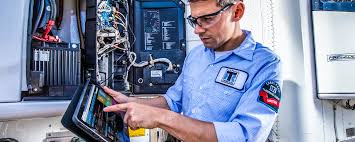
Transport refrigeration plays a critical role in keeping food, medicine, and temperature-sensitive goods safe during transit. Professionals entering this field must meet specific certification standards to handle refrigerants and complex systems.
For anyone considering transport refrigeration jobs, understanding the certification process helps set clear expectations and improves long-term career prospects.
Why Certification Matters in Transport Refrigeration?
Certification confirms that a technician can work safely, follow environmental laws, and service refrigeration systems correctly. Employers rely on certified technicians to reduce compliance risks and equipment failures. In
transport refrigeration jobs, certification also shows commitment to professional standards and readiness for real-world service demands.
Core Certifications Required to Enter the Field
Before starting hands-on work, technicians must earn credentials that meet federal and industry requirements.
EPA Section 608 Certification
The EPA Section 608 certification allows technicians to legally handle regulated refrigerants. This certification includes multiple types based on equipment size and application. Most employers prefer the Universal option because it covers all systems used in transport refrigeration jobs, including trailers and refrigerated trucks.
Industry and Manufacturer Certifications
Many employers value additional certifications from equipment manufacturers. These programs focus on diagnostics, controls, and system-specific repairs. While not legally required, these credentials improve technical confidence and job readiness.
Training Paths That Prepare Candidates for Certification
Several education options help candidates build skills and prepare for certification exams.
Trade and Technical Schools
Trade schools offer focused programs covering refrigeration theory, electrical systems, and safety practices. These programs often include exam preparation for EPA certification. Graduates enter transport refrigeration jobs with both classroom knowledge and lab experience.
Community College Certificate Programs
Community colleges offer certificate programs that combine theory and hands-on training. Courses usually cover refrigerant handling, troubleshooting, and system maintenance. These programs suit students seeking structured learning with exposure to industry-relevant equipment.
On-the-Job Training and Apprenticeships
Some technicians start as helpers or apprentices while studying for certification exams. This path provides direct exposure to daily service tasks and employer expectations. Hands-on experience strengthens problem-solving skills needed in transport refrigeration jobs.
Step-by-Step Process to Get Certified
Understanding the process helps candidates plan time and costs effectively.
- Meet basic requirements, which usually include a high school diploma or GED.
- Enrol in a refrigeration or HVAC training program with EPA exam preparation.
- Study refrigeration fundamentals, electrical systems, and safety standards.
- Pass the EPA Section 608 exam to handle refrigerants legally.
- Pursue optional manufacturer certifications to improve employability.
Each step builds practical knowledge that supports long-term success.
What Employers Expect from Certified Technicians?
Employers look for certified technicians who follow safety protocols and accurately diagnose systems. EPA certification remains essential, while additional credentials strengthen job applications. Strong technical training helps technicians adapt to different equipment used in transport refrigeration jobs.
Career Outlook After Certification
Certified technicians find opportunities with logistics companies, food distributors, and fleet operators. With experience, technicians can advance into senior service roles or supervisory positions. Certification creates a clear entry point into stable transport refrigeration jobs with consistent demand.
Conclusion
Certification remains the foundation for a successful career in transport refrigeration. It ensures legal compliance, builds technical skills, and improves hiring potential. For anyone aiming to enter the transport refrigeration industry, completing proper training and earning required certifications provides a reliable path toward long-term professional growth.