
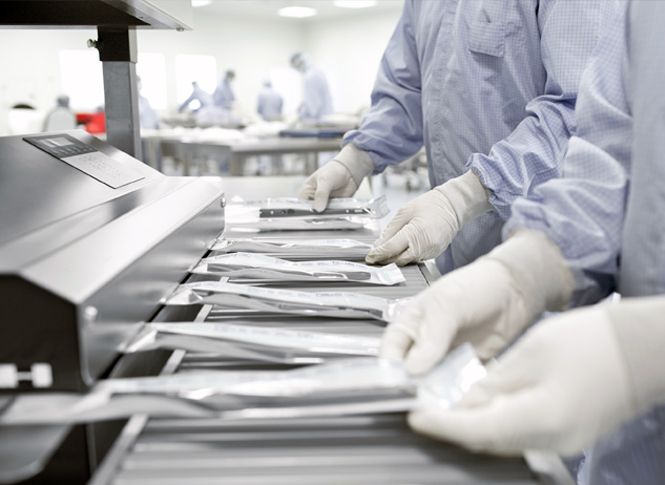
Sterile manufacturing is entering a new phase in 2025 as healthcare systems demand safer and more reliable devices. Production teams need better control over handling, sealing, and environmental conditions. Modern medical device packaging machines support these requirements through automation, improved inspections, and cleaner workflows. These developments help companies manage rising volumes, reduce contamination risks, and meet strict regulatory expectations.
The Growing Need for Better Packaging Systems
Manufacturers face greater pressure to maintain consistent sterile barriers across all products. Devices must remain safe during transport, storage, and use. Medical device packaging machines support this by delivering uniform sealing, stable temperature control, and accurate pressure settings. These functions help reduce errors and improve reliability across batches, especially in cleanroom environments where even slight variations can compromise sterility.
How Modern Packaging Machines Improve Sterile Manufacturing
Here is how modern packaging helps to review newer technologies to support sterile production tasks.
Stronger Control Over Seal Integrity
Seal quality influences the safety of sterile devices. Newer systems use sensors, temperature controls, and pressure checks to maintain stable conditions. These features help teams create strong seals that stay intact through handling and transport.
Automated Inspection and Testing
Inspection systems now form a significant part of packaging lines. Cameras check for seal irregularities, trapped particles, and material defects. Automated testing helps detect issues quickly and reduces the number of compromised units entering the supply chain.
Reduced Manual Contact
Human handling increases the chance of contamination. Automated loading, pouching, sealing, and sorting help reduce contact with open materials. This supports cleaner workflows and improves consistency across production runs.
Flexibility for Different Device Types
Medical devices come in a variety of shapes and materials. Modern machines support quick adjustments, modular tooling, and custom seal formats. This helps teams move between product types without long delays or extensive reconfiguration.
Technology Trends Defining 2025
Technology continues to influence sterile manufacturing in several ways.
Real Time Monitoring and Data Use
Connected packaging machines now supply real-time data across every production stage. This helps teams track performance, identify recurring issues, and improve traceability. Data also supports internal audits and regulatory checks.
Clean Room Friendly Design
More equipment now suits strict clean room layouts. Smooth surfaces, compact footprints, and minimal particle generation help maintain controlled environments. This supports long term sterility across sensitive operations.
Advanced Material Support
Manufacturers now use high barrier films and strong medical grade materials. Updated machines handle these materials without causing wrinkles, weak seals, or temperature inconsistencies. This helps maintain the integrity of sterile barrier systems.
Higher Production Efficiency
Faster changeovers and energy-efficient heating elements help teams reduce downtime. Compact designs also suit smaller facilities or modular production setups.
What This Means for Manufacturers
Stronger packaging equipment helps teams reduce waste, maintain cleaner lines, and improve repeatability. Automated inspections, controlled sealing, and real-time monitoring support compliance with global standards. These improvements also help companies increase output without reducing quality, which is essential as demand for safe and reliable medical devices grows across multiple markets.
Conclusion
Sterile manufacturing is becoming more efficient and reliable as modern packaging systems gain wider adoption. Updated medical device packaging machines support precise sealing, automated inspection, and reduced manual contact. These features strengthen every stage of production and improve confidence in each finished device. With rising expectations for safety and consistency, manufacturers can rely on these technologies to deliver dependable outcomes in 2025 and future years.