
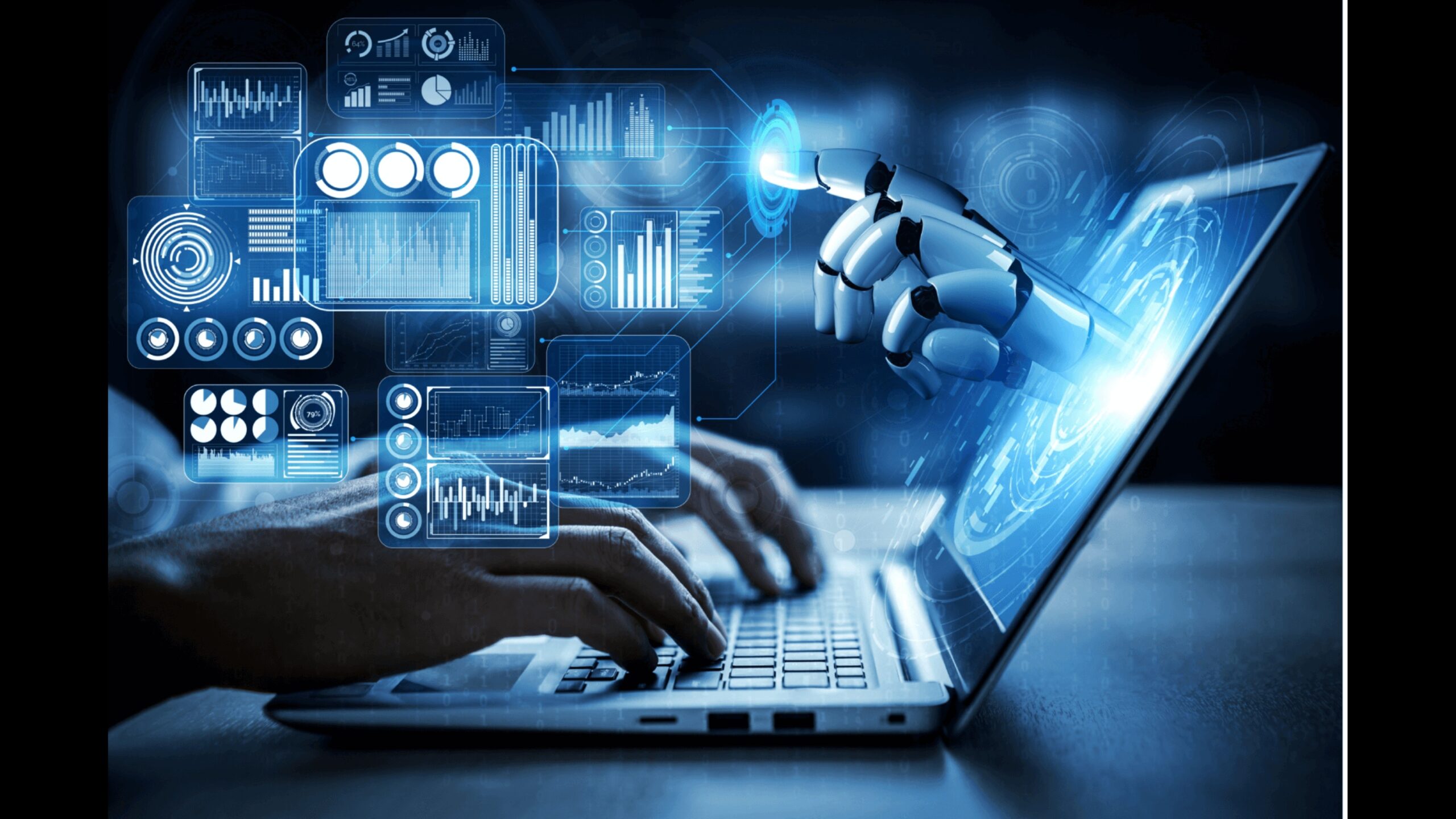
Work habits change fast today. Technology leads this change every day. A self-adjusting AI computer now plays a big role in daily work. It learns how people work and react in real time. This helps users stay focused and calm.
65% of employees reported being excited about using AI at work, according to a survey by Gartner, Inc., a business and technology insights company.
This number keeps rising each year. These systems do not feel complex or scary. They feel helpful and simple. They watch patterns and act at the right time. They reduce stress and save energy. They also help users build better routines.
This article explains how a self-adjusting AI computer reshapes daily work habits in seven clear ways.
1. It Learns Your Daily Workflow
Every workday follows a pattern even when it feels busy or unplanned. A self-adjusting AI computer watches how work starts each day and notices the apps used first. It tracks how long tasks take. It also learns when focus feels strongest. Because of this, learning the system is quick and easy. It prepares tools before work begins. It opens files at the right time. This saves effort and time.
- It remembers common tasks.
- It prepares tools early.
- It reduces repeated steps.
Why This Feels Natural
The computer does not force changes. It supports habits already in place. This makes work feel smooth and easy. Over time, users feel less tired. They also feel more in control of their day.
2. It Adjusts Performance Based on Task Needs
Not all tasks require the same level of power. Writing needs less energy. Editing video needs more energy. A self-adjusting AI computer understands this. It boosts power during heavy work. It saves power during light work. This balance helps devices stay cool and quiet.
- It increases speed during heavy tasks.
- It reduces power consumption during low-intensity tasks.
- It helps devices last longer.
How This Helps Focus
When systems run smoothly, users stay focused. There are fewer slow moments. There are also fewer distractions. This leads to better results with less effort.
3. It Reduces Mental Load During Busy Hours
Busy hours can feel stressful. Many tasks fight for attention. A self-adjusting AI-enhanced computer helps manage this pressure. It sorts tasks by importance. It limits alerts during focus time. It also suggests breaks when needed.
- It reduces unnecessary alerts.
- It highlights key tasks.
- It supports healthy breaks.
This support helps users think clearly. It keeps the mind calm. It also builds a better work-life balance.
4. It Personalizes the Work Environment
Everyone works differently. Some like bright screens. Some like quiet modes. A self-adjusting AI computer learns these choices and adjusts the screen brightness accordingly. It changes sound levels. It even shifts layouts based on time of day.
- It adapts screen settings.
- It adjusts sound levels.
- It supports comfort.
Why Comfort Improves Output
Comfort keeps energy steady. When users feel good, they work better. Small changes add up over time. This leads to stronger habits and better results.
5. It Supports Smarter Time Management
Time often feels limited during busy workdays. A self-adjusting AI-enhanced computer helps users manage time in a smarter way. It tracks how long tasks take and notices patterns across days. It learns which tasks take more effort and which finish faster.
It then suggests a better task order. It highlights tasks that need early attention. It reminds users when work runs longer than planned. This guidance feels helpful and calm.
- It tracks task time.
- It suggests better schedules.
- It reduces wasted time.
Over time, users stop guessing about time. They plan with confidence. This reduces stress and helps finish work on time without rushing.
6. It Improves Learning and Skill Growth
Learning new skills often feels slow at work. A self-adjusting AI computer makes learning part of daily tasks. It notices when users repeat errors or pause often. It understands when help is needed.
The system then shares simple tips during work. It offers guidance without breaking focus. It also adjusts support based on skill level. Beginners get more help. Experienced users get fewer interruptions.
- It offers tips during work.
- It adapts to skill level.
- It supports steady growth.
This approach builds confidence. Learning feels natural and steady. Skills improve without pressure or extra effort.
7. It Builds Healthier Work Routines
Long work hours can hurt health. A self-adjusting AI computer helps protect well-being. It tracks work patterns over days. It notices long sessions without breaks. It suggests rest at the right time. It also supports better posture habits.
- It reminds users to rest.
- It supports a healthy posture.
- It balances work time.
Healthy routines lead to better focus. They also reduce burnout. This makes work sustainable and enjoyable.
Conclusion
A self-adjusting AI computer changes how work feels each day. It does not replace human effort. It supports it. It learns patterns and reacts with care. It saves time and energy. It reduces stress and improves focus. Each of the seven ways shows a clear impact. From learning workflows to building healthy routines, the value stays strong.
These systems feel like quiet helpers. They work in the background and support progress. As technology grows, this support will feel even more natural. Daily work habits will keep improving. The future of work feels balanced, smart, and human-centered.