
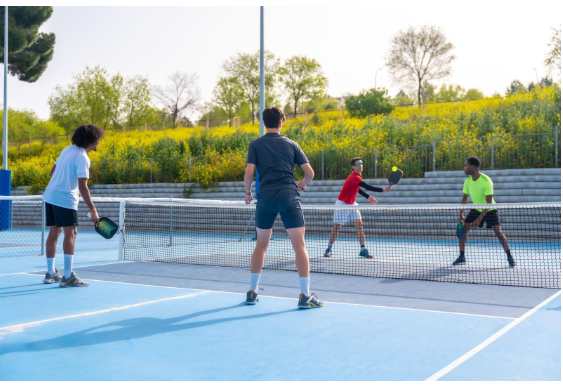
Padel tennis is one of the fastest-growing sports across the world, and with its rising popularity comes a need for courts that meet international standards, withstand heavy usage, and provide a seamless playing experience. While padel courts may appear straightforward at first glance, the engineering behind them is anything but simple. From structural design to turf selection, lighting, and long-term durability, every detail impacts how the game feels on the court.
Behind every successful court lies skilled planning, specialized craftsmanship, and a deep understanding of the sport’s rhythm. This is why choosing the right professionals for padel tennis court construction is essential, it ensures the court performs well from the first serve to the last rally.
Understanding the Foundation: Planning and Site Evaluation
The creation of a reliable padel tennis court begins long before any steel frame goes up. Experts start by examining the site to determine space availability, soil stability, drainage capabilities, and whether the location supports an indoor or outdoor setup.
This stage answers key questions:
- Is the ground level and structurally suitable?
- Will the court face harsh weather conditions?
- What type of players will use it, casual enthusiasts or competitive athletes?
- How will lighting, ventilation, and access points be integrated?
Great courts don’t just fit into a space, they complement it. Proper planning ensures every structural element is positioned for optimum performance and safety.
Designing with Precision: Architecture That Enhances Play
Once the site is approved, the architectural design begins. Padel courts follow strict global standards: a 10m x 20m area with specific wall heights, entrance placements, and perimeter fencing. But true expertise lies in designing for long-term functionality.
Key design choices include:
- Reinforced steel structures that withstand pressure and vibrations
- Glass walls crafted for consistent rebound and superior visibility
- High-density mesh fencing to support seamless gameplay
- Entry systems that promote safe movement inside and outside the court
Engineers simulate court performance using digital models to ensure that lighting, ball bounce, and structural durability align perfectly with the sport’s requirements. This stage transforms a concept into a blueprint ready for real-world construction.
Material Selection: Building for Strength and Longevity
Padel courts are exposed to intense physical impact, rapid movement, and constant environmental changes. That’s why material selection plays a central role in determining how long a court remains reliable.
Professionals choose materials based on durability, weather resistance, and performance characteristics. For example:
- Steel frames are often galvanized or powder-coated for corrosion resistance.
- Tempered glass panels must endure continuous hits without cracking or clouding.
- Synthetic turf is selected for optimal friction, ball bounce, and injury prevention.
- LED lighting systems are tested to eliminate shadows and glare.
This stage requires technical expertise and industry knowledge. High-quality materials not only enhance gameplay but also reduce long-term maintenance costs.
Manufacturing: Turning Engineering Into Reality
After design and material selection, manufacturing begins. This step involves cutting, welding, shaping, and assembling all components needed for the court. Precision is key, every measurement must align perfectly to ensure smooth installation later.
Manufacturers conduct multiple quality checks, including:
- Stress testing of steel frames
- Impact testing on glass panels
- Checking turf density and fiber height
- Inspecting fasteners and structural parts
Efficient manufacturing reduces installation errors, ensures structural stability, and guarantees the court performs exactly as planned. This is why clubs and developers often prefer working with trusted brands, such as the premier padel court producer in Riyadh, known for adhering to international standards.
Installation: Bringing the Court to Life
Installation is where engineering, design, and manufacturing finally come together. Skilled technicians assemble the steel frame, set the glass panels with precision bolts, secure fencing sections, and lay the turf.
A typical installation includes:
- Anchoring the steel structure to ensure stability
- Positioning glass panels so they align perfectly with rebound expectations
- Installing high-quality mesh without sagging or distortion
- Laying turf with careful attention to seams and infill distribution
- Setting up lighting to illuminate the court evenly
Expert installers know that even minor errors, like a slightly tilted panel or uneven turf, can affect gameplay. That’s why this stage demands patience, skill, and specialized tools.
Final Testing and Quality Assurance
Before a court is declared complete, it undergoes extensive testing. Engineers and quality inspectors check:
- Glass panel integrity
- Frame alignment
- Ball bounce consistency
- Lighting accuracy
- Safety compliance
- Fence tension and durability
Only after passing every technical test is the court ready for professional play. This step ensures that players experience smooth movement, predictable rebounds, and a high level of comfort during every game.
Why Expertise Matters More Than Ever
The rapid growth of padel has led to increased demand, but not all courts are engineered equally. Inferior construction often leads to quick wear and tear, unpredictable ball behavior, and potentially unsafe structures.
Working with experienced experts ensures:
- Greater longevity
- Reduced maintenance
- Better player safety
- Enhanced gameplay
- Higher property value
A well-constructed padel court becomes more than a facility, it becomes a space where players improve, communities gather, and clubs build reputations.
Conclusion: Where Craftsmanship Meets Passion
Creating a reliable padel tennis court is a blend of innovation, technical expertise, and deep understanding of the sport. From site evaluation to design, manufacturing, and installation, each step shapes how the game is ultimately played on the court.
This is where Padel Factory stands out. As a global leader in crafting high-performance padel courts, they combine advanced engineering with master craftsmanship to deliver long-lasting, international-standard courts. With vast experience in metalwork, glass production, and precision installation, they bring quality and reliability to every project—ensuring every rally is played on a court built for excellence.