
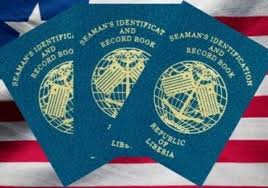
Working at sea requires proper documentation, and one record plays a central role in a mariner’s career. A Seaman Discharge Book helps track sea service, vessel details, and employment history. Many applicants feel confused because the United States follows a slightly different system than other countries. This article explains the documents required, why they matter, and how US mariners typically meet international requirements. The focus stays practical and factual, so readers know exactly what to prepare before applying. Understanding the paperwork early reduces delays and prevents costly mistakes during the application process.
Understanding the Seaman Discharge Book in the US
Before listing documents, it helps to clarify how the system works. The United States does not issue a traditional Seaman Discharge Book like many other maritime nations. Instead, US mariners rely on official credentials and discharge records. These documents still serve the same purpose when applying for international work. Many mariners obtain a foreign-issued seaman book from a flag state for global sailing jobs.
Proof of Identity
Identity documents confirm who the applicant is. Applicants must submit a valid US passport. The passport should remain valid for at least six months. Authorities use it to verify citizenship and personal details. Some flag states also accept a government-issued photo ID as secondary proof. Name consistency across all documents remains essential.
Passport-Size Photographs
Photographs support identification and record keeping. Most applications require two recent passport-size photographs. The photos should follow standard maritime or passport guidelines. Clear images with a plain background work best. Outdated or unclear photos often lead to rejections or processing delays.
Medical Fitness Certificate
Medical clearance proves the applicant can work at sea. A valid medical fitness certificate is mandatory. Many authorities request an STCW-compliant medical certificate. The document must confirm physical fitness for maritime duties. Expired or non-recognised medical reports usually lead to application refusal.
Maritime Training Certificates
Training records show professional readiness. Applicants must submit copies of safety and competency certificates. These may include STCW basic safety training, firefighting, or survival courses. Training documents help authorities confirm the mariner meets international standards. Missing certificates can delay approval.
Merchant Mariner Credential or Sea Service Proof
Sea service records support work history. US mariners typically provide a Merchant Mariner Credential. Discharge certificates signed by vessel masters also count as proof. These records replace the Seaman Discharge Book in the US system. Accurate sea service details improve acceptance by foreign flag states.
Application Form and Fees
Administrative steps complete the process. Applicants must complete the official application form issued by the authority. Forms require personal details and employment history. Processing fees vary by flag state. Incorrect or incomplete forms often slow down issuance.
Conclusion
Applying for a Seaman Discharge Book as a US mariner requires preparation and clarity. While the United States does not issue this document directly, alternative records serve the same purpose. A valid passport, medical certificate, training records, and sea service proof form the core requirements. Each flag state may request additional paperwork, so early verification helps. Keeping documents up to date and consistent saves time and effort. With proper preparation, mariners can obtain the documentation required for international sailing without unnecessary delays.