
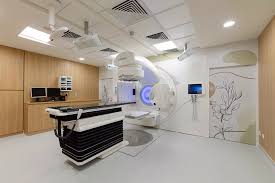
Cancer treatment has progressed steadily as advanced medical technology has been integrated into hospital care. Modern hospitals now depend on precise diagnostic tools, structured treatment planning, and controlled therapeutic systems to manage cancer more effectively. These developments aim to improve accuracy, reduce treatment-related strain, and support patients through informed, coordinated care. Technology now plays a central role in diagnosing, treating, and monitoring cancer, helping doctors make timely decisions while maintaining patient safety. Many patients associate these capabilities with Best Cancer Hospital in India, where technology supports evidence-based, patient-focused care.
Advanced Diagnostic Technologies in Cancer Care
Accurate diagnosis is the starting point for effective cancer treatment. Modern diagnostic technologies allow doctors to identify cancer earlier and understand its behaviour more clearly. These tools reduce uncertainty and help ensure that treatment planning begins with reliable clinical information.
Role of Imaging in Early and Accurate Detection
Modern hospitals use advanced imaging tools, such as PET scans, MRI, and high-resolution CT scans, to detect cancer at earlier stages. These technologies provide detailed information on tumour size, location, and possible spread, allowing doctors to plan treatment with greater confidence.
Advanced imaging also supports careful evaluation in complex cases, such as cancers affecting the brain, spine, or bones, while helping avoid unnecessary procedures.
Digital Pathology and Diagnostic Accuracy
Digital pathology has improved diagnostic accuracy by allowing tissue samples to be analysed using computer-assisted systems. These tools help pathologists identify abnormal cell patterns more efficiently and confirm cancer types with greater clarity.
Faster interpretation helps reduce delays between diagnosis and treatment planning, supporting a smoother transition into care.
Precision-Based Treatment Technologies
Treatment technologies have shifted toward greater precision, focusing on targeting cancer while protecting healthy tissue. These approaches help balance treatment effectiveness with patient comfort and safety.
Modern Radiation Therapy Systems
Radiation therapy has become more controlled through technological development. Techniques such as intensity-modulated radiation therapy and image-guided radiation therapy allow radiation to be directed precisely at affected areas while limiting exposure to surrounding healthy tissue.
These systems can adjust delivery based on tumour movement, which is important in cancers influenced by breathing or body position.
Targeted Therapy and Immunotherapy
Targeted therapies focus on specific biological features of cancer cells rather than affecting the entire body. These treatments are selected based on detailed testing and are designed to minimise unnecessary impact on healthy tissues.
Immunotherapy supports the body’s immune system in recognising and responding to cancer cells. Care teams carefully assess suitability to ensure treatment decisions remain guided by clinical findings.
Surgical Technology and Minimally Invasive Approaches
Surgical innovation has played an important role in improving cancer treatment outcomes. Technology now enables greater precision during surgery while reducing physical strain on patients.
Robotic and Image-Guided Surgery
Robotic-assisted systems allow surgeons to perform complex procedures with enhanced visual control and precision. These systems support accurate tumour removal while helping preserve surrounding structures.
Benefits of Minimally Invasive Procedures
Minimally invasive cancer surgeries often involve smaller incisions, which may support reduced discomfort, shorter hospital stays, and more structured recovery. Hospitals offering these procedures follow clear protocols to ensure patient suitability and safety.
Technology-Enabled Multidisciplinary Care
Cancer care often involves multiple medical specialities working together. Technology helps ensure information flows smoothly between teams, supporting consistent, coordinated decision-making.
Data-Driven Treatment Planning
Digital systems enable shared access to clinical information and structured treatment planning. These tools support collaboration and reduce the risk of fragmented care.
Key benefits include:
- Shared digital patient records across departments
- Joint review of imaging and pathology findings
- Treatment planning software to assess therapy options
- Clear documentation supporting continuity of care
Hospitals with established oncology services, such as BLK-Max Super Speciality Hospital, apply coordinated care models that support collective clinical decision-making.
Technology in Monitoring and Follow-Up Care
Cancer care continues beyond active treatment. Monitoring and follow-up play a key role in recovery and long-term health, and technology supports this ongoing connection between patients and care teams.
Supporting Continuity After Treatment
Technology helps hospitals track recovery, document side effects, and maintain follow-up schedules. Digital systems also support remote consultations when appropriate, helping patients remain engaged with care even after discharge.
These tools help identify concerns early and address them promptly, supporting stability during recovery.
Conclusion
Advances in cancer treatment technology have transformed how modern hospitals approach diagnosis, treatment, and follow-up care. From early detection and precision radiation to personalised therapies and coordinated planning, these developments shape the standards expected at one of India’s leading cancer hospitals. When combined with experienced medical teams and structured systems, technology continues to support accurate decision-making, patient safety, and consistent care outcomes.