
When you move from manual bookkeeping to a dedicated system, you aren’t just digitizing paper; you are upgrading the “brain” of your business. In 2026, accounting software is the essential tool that translates raw numbers into actionable business insights.
For those new to the concept, here are the basics of how this technology helps you manage your finances better.
Accounting Software Basics: How It Helps Manage Finances Better
At its core, accounting software is a computer program that records and processes functional transactions within functional modules such as accounts payable, accounts receivable, journal, ledger, and payroll. While it sounds technical, the goal is simple: to give you a clear, real-time picture of your money.
1. Eliminating Manual Entry Errors
The most basic advantage of using software over a spreadsheet is accuracy. Manual bookkeeping is prone to “human error”—a misplaced decimal point or a forgotten entry can throw off your entire year-end balance. Accounting software automates calculations and ensures that every “Debit” has a corresponding “Credit,” keeping your books perfectly balanced at all times.
2. Centralizing Your Financial Data
Without software, your financial life is scattered across bank statements, shoeboxes of receipts, and various email threads. Accounting software acts as a central hub. By connecting directly to your business bank accounts, the software pulls in every transaction automatically. This centralization allows you to see your total income and expenses in one place, rather than piecing them together manually.
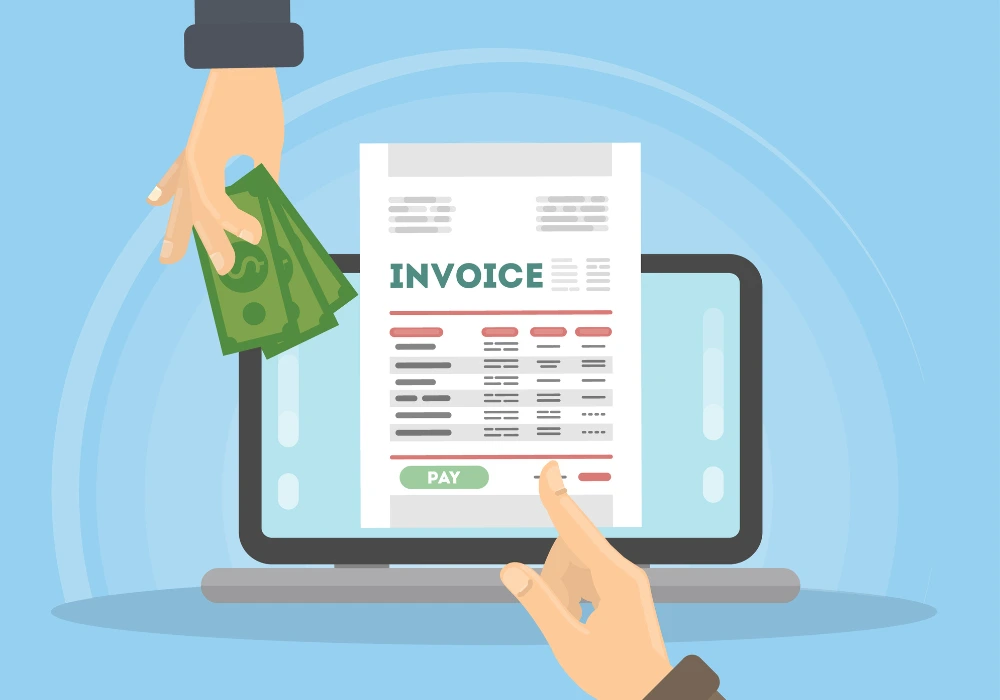
3. Professionalism in Invoicing
Invoicing is the lifeline of your cash flow. Basic accounting tools allow you to move beyond basic Word or Excel templates. You can:
-
Automate Reminders: Let the software politely nudge clients who haven’t paid.
-
Accept Online Payments: Give clients a “Pay Now” button that links to credit cards or UPI.
-
Track Status: See exactly when a client has opened your invoice so you aren’t left wondering.
4. Effortless Reporting and “The Big Picture”
The true power of accounting software lies in its ability to generate reports with one click. To manage a business better, you need to understand three core documents:
-
Profit and Loss (P&L): Shows if you are actually making money after all expenses.
-
Balance Sheet: Shows what you own (assets) versus what you owe (liabilities).
-
Cash Flow Statement: Tells you exactly how much physical cash is moving through your business. In a manual system, these take hours to build. In a software system, they are ready in seconds.
5. Simplifying Tax Season
Tax time is notoriously stressful for small business owners. Accounting software tracks your deductible expenses throughout the year and categorizes them correctly. When it’s time to file, you don’t need to dig through files; you simply export a report for your accountant or use the built-in tax tools to see exactly how much you owe in GST or Income Tax.
Conclusion
You don’t need to be a math genius or a certified accountant to use modern accounting software. Most platforms today are designed for business owners who want to spend less time on paperwork and more time on their craft. By automating the basics—like bank reconciliations and invoicing—the software ensures your finances are organized, accurate, and ready for growth.