
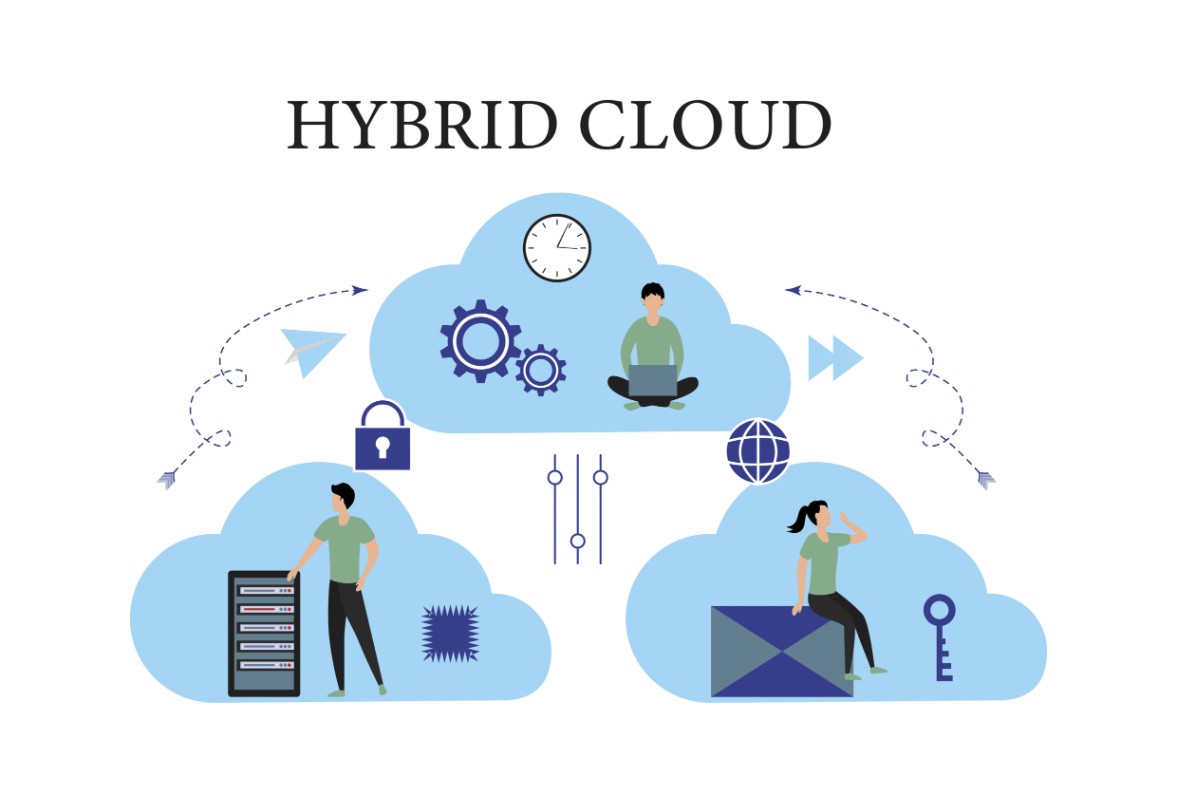
Businesses across the world now look for strong systems that work without sudden stops. Many companies turn to hybrid cloud to keep work running even when problems appear.
Around 80% of enterprises use hybrid cloud solutions today, showing strong adoption across business sectors.
These numbers show that hybrid cloud brings real value to modern businesses. Hybrid-based cloud mixes private systems with public cloud power. This mix helps companies stay safe and steady even during tough moments. This also helps companies control their costs and grow at a steady pace.
Today, let’s talk about how hybrid-based clouds improve business continuity and ROI.
1. Strong Uptime That Keeps Work Moving All Day
Hybrid model gives companies strong uptime. This means their systems stay active even when a part of the setup stops working. A company can keep running because the hybrid cloud shifts work from the broken part to a working part without delay. This protects the business from long breaks in service.
How Hybrid Cloud Keeps Systems Active
- Copies of data stay safe in more than one place.
- Workloads move smoothly to another system when trouble starts.
- Apps stay online even when one part of the system stops.
This steady flow builds customer trust because people enjoy services that stay active without sudden failures. Teams also feel more confident because they know the system will support them every day.
2. Quick Recovery After Any Disaster
Hybrid cloud helps companies recover quickly from disasters such as fire, flooding, or cyberattacks. It stores data across multiple locations, helping protect important files from loss. When one system breaks, the company can quickly restore everything from the cloud. This helps the team get back to work without long delays.
Fast Steps That Bring Work Back
- Backups happen often, and stay ready for recovery.
- Extra copies sit safely in the cloud.
- Failed services restart quickly and let work continue.
This approach saves time, effort, and money. It reduces stress on the team because they know they can bring systems back to life fast. When disaster recovery becomes easy, the company stays strong even in hard moments.
3. Smart Money Savings With Flexible Use
Hybrid cloud helps companies reduce costs and use money wisely. Instead of buying many powerful machines that sit unused most of the time, the company can use cloud resources only when needed. The private system handles everyday tasks while the cloud handles busy hours. This helps the company avoid paying for unused hardware.
- Pay for cloud usage only during high-traffic hours.
- Use private systems for steady daily tasks.
- Scale up or down without buying new machines.
This smart setup leads to better returns. The company avoids high upfront costs and enjoys steady operating expenses. This balance supports long-term business growth.
4. Easy Scaling That Supports Business Growth
As a business grows, it needs more space, power, and tools. Hybrid-based cloud solutions help companies scale up without stress. The cloud provides extra power during peak hours. Private systems support daily tasks. Together, they create a smooth system that grows with the business.
- Add cloud power quickly during busy times.
- Reduce cloud usage when traffic slows.
- Spread workloads across two systems to achieve better balance.
This flexibility helps the company stay ready for new customers, new products, and new plans. It removes fear of sudden overloads and gives the team room to grow freely.
5. Strong Protections for Sensitive Data
Hybrid cloud provides companies with a secure way to store critical information. Some data must remain within the company to remain secure. Some data can remain in the cloud to speed up work. This mix keeps everything safe and easy to manage.
Safety Steps That Protect Data
- Private systems store sensitive information.
- Public cloud stores low-risk data.
- Strong security checks guard data in every area.
This builds trust between companies and customers. It helps the business comply with data safety rules. It also reduces the risk of cyberattacks because sensitive files remain on controlled systems.
6. Faster Work and Better Team Support
The hybrid model helps teams to work smarter and quickly. Cloud tools allow developers to test new ideas quickly, providing instant access to the resources they need. They do not wait until they have long setups and slow systems. This allows them to introduce new applications and updates more quickly.
- Cloud tools enable teams to test ideas fast.
- Cloud systems offer real-time access to the required resources.
- Individuals collaborate effectively even when they are not in the same places.
This pace helps companies to be ahead of competitors. It also enhances customer satisfaction since new features and fixes are delivered sooner. The teams become more productive as they do not have to spend a lot of time waiting and can create.
7. Strong ROI With Smart Use and Steady Performance
The hybrid model improves return on investment by lowering costs and increasing output. The company spends less on hardware repairs and system fixes. It also loses less money from downtime. When systems stay active and recovery becomes fast, the company saves more and earns more.
ROI Benefits That Matter
- Lower IT costs through smart system use.
- Less downtime means more sales and better service.
- Faster updates improve customer value.
The hybrid model helps companies balance cost and performance. This balance creates long-term value. It supports steady growth and maintains strong profits.
Conclusion
The hybrid model offers clear benefits for any business seeking robust systems and strong returns. It keeps work running even during failures. It helps companies recover fast after disasters. It also lets teams scale easily while saving money. Hybrid technology protects sensitive data and gives teams tools that help them work faster. This leads to strong customer trust and better profits.
With all these advantages, hybrid cloud becomes a powerful path for companies that want steady progress and strong ROI. It supports business continuity every day and gives companies the strength they need to enjoy long-term success.