
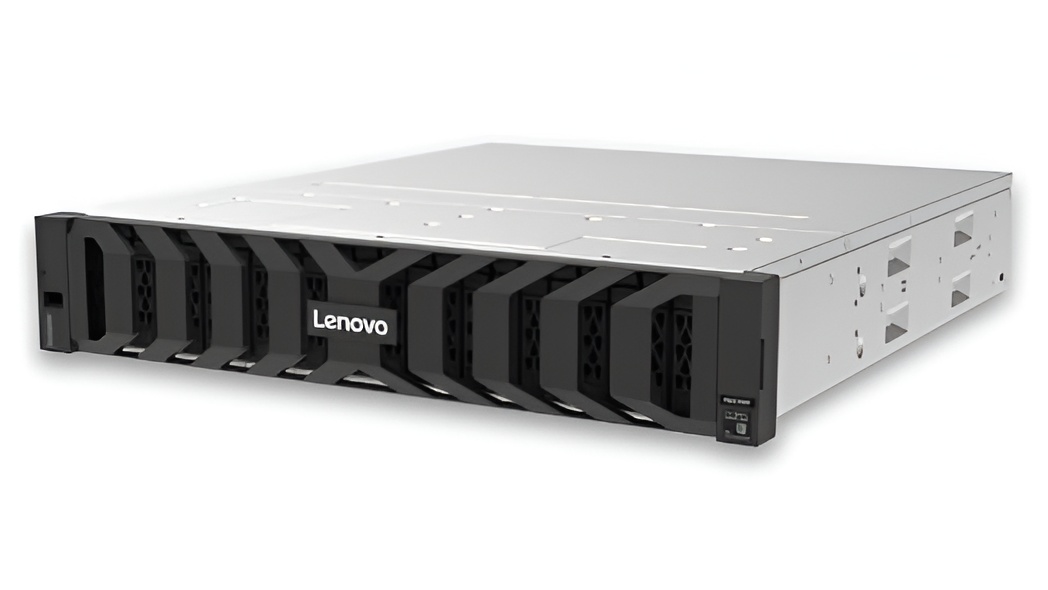
Data keeps growing every day because people use phones, computers, and the internet more than ever.
The global data center storage solutions market is expected to exceed $66 billion and grow significantly by 2035. It shows strong demand for storage systems that store and protect data in busy data centers worldwide.
More data is created every day. Companies must store files, photos, videos, and app data more effectively. They need systems that work fast and keep information safe. The changes in storage technology are big and happen quickly. These changes shape how businesses save data. Also, how people access it when they need it.
This article talks about seven big trends shaping the future of storage technology that help data centers stay fast, reliable, and ready for tomorrow.
1. Modern Storage System That Works Faster
New storage setups are built to move data quickly so apps and computers do not have to wait for information. This is essential for tools like AI and big data programs that require quick access to vast data volumes. Older storage systems, such as hard disks, are slower than newer flash systems.
The emergence of new storage types, including all-flash arrays and NVMe storage. It is helping data centers store and access information much faster than before. These improvements show how modern data center storage solutions support smooth performance. This means users do not face delays, and systems run smoothly.
How Faster Storage Helps Everyone
Fast storage helps computers and phones get information quickly. Browsing a site feels smooth. Watching a movie or playing a cloud game feels faster. New storage technology also helps businesses study data in real time. They can make quick decisions without delay.
2. Hybrid and Cloud-Ready Storage Options
Many companies no longer keep all data in one place. They split their data between private storage at their office and public cloud systems. This type of system is called hybrid cloud storage. Hybrid solutions make it easier for businesses to scale and grow without having to build bigger physical storage sites.
Here are the key parts of hybrid storage:
- Mix of local and cloud storage.
- Flexible cost based on use.
- Easier data access for remote teams.
Hybrid systems also enable businesses to decide where valuable data will reside. Also, less-utilized data will remain in the cloud to conserve space and reduce costs. The trend helps businesses react fast to change and remain competitive.
3. Edge Storage for Faster Local Access
Edge storage moves data closer to users by placing storage near where data is created. Instead of sending all data back to a single central data center, data is stored closer to people or devices. Edge storage reduces the time data travels, resulting in faster service and fewer delays.
Why Edge Storage Matters Now
Edge storage is useful for:
- Smart cities with many sensors.
- Self-driving cars that need instant data.
- Video streaming with high speed.
Edge locations help reduce network traffic and ensure important data is processed quickly where it is needed most.
4. Smarter Storage With AI and Machine Learning
AI is not only a driver of storage demand growth; it also helps manage storage systems more effectively. Tools that use AI can learn patterns of data use and manage storage space more wisely. AI can find slow parts of a system and fix them before they become problems. This helps data centers avoid failures and keep running smoothly.
Benefits of AI-powered storage:
- Better prediction of storage needs.
- Reduced downtime from storage issues.
- Faster data retrieval and smarter use of space.
5. Greener and Energy-Saving Storage Practices
Energy use goes up as more data centers are built. This makes it important to save power. Data centers are now seeking greener ways to run storage. They use new cooling systems that need less power. They also use clean energy from solar and wind to cut carbon emissions.
Greener storage tech helps:
- Lower electricity use.
- Reduce data center heat.
- Save money over time.
6. Secure and Protected Storage Systems
Modern data center storage solutions place a strong emphasis on safety. Hackers attack systems every day. Businesses must protect personal files, business records, and financial data. New trends build storage that withstands attacks and data loss.
Strong encryption turns data into code so others cannot read it. Backup systems keep extra copies of data. These copies help restore data if a device breaks or a disaster occurs.
Key ways storage stays secure:
- Encrypted storage for safety.
- Regular backups for data protection.
- Monitoring systems to track threats.
High security reassures individuals and corporations that their information is protected, even as threats rise.
7. Scalable and Flexible Storage Design
Scalability refers to a storage system’s ability to expand as needs increase without slowing down or failing. The current storage technology enables data centers to start small and grow without issues. This is quite useful for businesses that are not aware of the rate at which they will expand but require reliable storage that can accommodate additional data when needed.
Flexible design features include:
- Modular storage units that can be added easily.
- Software-defined storage that controls storage with software.
- Systems that support many types of data.
Final Words
The world is changing fast. You need better and smarter ways to store data. New trends make data center storage solutions faster, safer, greener, and smarter.
Trends like AI-powered storage and edge storage guide how data moves. They help data reach users fast. As data grows, these trends help people get the right information at the right time. Modern storage systems also keep data safe and simple to access. They ensure information remains protected now and in the future.