
Cancer care has advanced rapidly in recent years, and cancer treatment in Mumbai now includes a wide range of reliable options for different conditions. Patients and families often seek clear information when assessing these choices, especially to understand how each treatment works and what it can offer. Mumbai’s leading centres provide structured pathways that cover diagnosis, active treatment, and long-term support. This overview explains the main treatment approaches used across the city, helping readers gain a practical understanding of available methods and how they may fit into individual care plans.
Understanding the Landscape of Cancer Care in Mumbai
Mumbai hosts several well-equipped institutions that handle a wide range of cancers. These centres use standard and advanced therapies to manage disease at different stages. The range of services supports patients from diagnosis to treatment planning and follow-up care. This creates a structured path that helps individuals understand their options with confidence.
Surgery as a Primary Treatment Option
Surgery plays a key role in many cancer treatment plans. Here is a brief look at how it works.
When Is Surgery Considered?
Many tumours that form as a visible mass are treated surgically, which may involve removing part or all of the affected tissue. Doctors assess the tumour’s size, location, and extent before deciding on the most suitable surgical approach.
Types of Procedures
- Open surgery for larger or complex cases.
- Minimally invasive procedures for selected conditions, which may support quicker recovery.
- Reconstruction in specific cancers to improve function or appearance after tumour removal.
Next, it helps to explore treatments that rely on medicines and targeted approaches.
Chemotherapy and Its Expanding Role
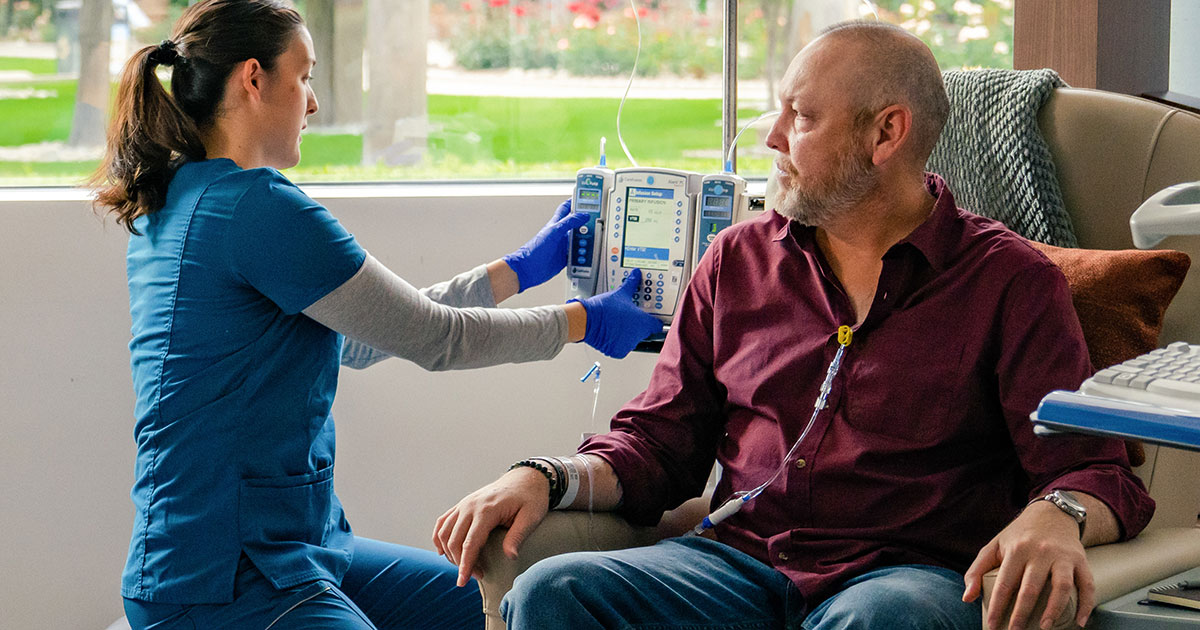
Chemotherapy remains widely used for cancer treatment in Mumbai. It uses specific drugs to destroy rapidly dividing cells and is often part of a combined treatment plan.
How Does Chemotherapy Support Patient Care?
- Shrinks tumours before surgery or radiation.
- Destroys remaining cancer cells after other treatments.
- Manages cancers that have spread to different parts of the body.
Treatment cycles depend on the type of cancer and the individual’s response. Supportive care also helps manage side effects effectively.
Radiation Therapy for Precise Targeting
Radiation therapy is another important option that is used by reputable hospitals, such as Nanavati Max Super Speciality Hospital for cancer treatment in Mumbai, especially for localised tumours.
Key Strengths of Radiation Therapy
- Targets cancer cells without unnecessarily affecting surrounding areas.
- Works well as a standalone treatment or in combination with surgery and chemotherapy.
- Uses carefully planned doses based on imaging and clinical guidance.
A key factor to consider is the ability of modern equipment to deliver radiation accurately and in a controlled manner.
Immunotherapy as a Growing Treatment Choice
Immunotherapy has gained attention in recent years. It strengthens the body’s natural defences to recognise and fight cancer.
Where is Immunotherapy Used?
- Certain advanced cancers in which traditional treatments offer limited benefit.
- Cases where genetic testing suggests a better response to immune-based drugs.
To better understand this, patients often undergo tests to determine whether their tumour has specific markers associated with an immunotherapy response.
Targeted Therapy for Precision-Based Treatment
Targeted therapy focuses on the genetic or molecular features of cancer cells. This approach allows specialists to match drugs with specific abnormalities found in the tumour.
Advantages of Targeted Therapy
- Acts on cancer cells with less effect on healthy tissue.
- Works well with cancers that have identifiable mutations.
- Often used when other treatments stop responding.
A key factor to consider is that targeted therapy relies on accurate testing, making proper diagnosis essential.
Bone Marrow Transplant and Cellular Treatments
For certain blood-related cancers and disorders, bone marrow transplant offers a structured treatment path.
How the Process Supports Recovery
- Replaces damaged bone marrow with healthy cells.
- Helps restore immune function after high-dose treatments.
- Covers both autologous and allogeneic transplant options.
Specialists assess suitability through medical history, imaging, and laboratory evaluations.
Ablation, Cryotherapy, and Minimally Invasive Techniques
Mumbai also offers several minimally invasive procedures that support cancer care either alone or alongside other treatments.
Common techniques include
- Radiofrequency ablation to destroy tumour tissue with heat.
- Cryotherapy to freeze abnormal cells.
Embolisation for tumours that depend on specific blood vessels. - Laser and light-based therapies for selected cancers.
These methods are often used for early-stage tumours or for patients who cannot undergo extensive surgery.
Supportive Care and Rehabilitation Services
Supportive care strengthens overall treatment outcomes. It addresses physical and emotional needs before, during, and after treatment.
Typical supportive services include
- Nutritional therapy to maintain strength.
- Pain and symptom management.
- Counselling for emotional well-being.
- Physiotherapy to support recovery after surgery or long-term treatment.
Next, we look at how these pieces come together for a complete care experience.
Follow-Up Care and Long-Term Monitoring
Follow-up care is essential for early detection of recurrence and management of late effects. It includes periodic scans, blood tests, and consultations. These visits help individuals maintain health and adjust lifestyle habits that support recovery.
Conclusion
Cancer care continues to progress, and Mumbai now offers a wide range of reliable treatment options for different conditions. Patients have access to surgery, chemotherapy, radiation therapy, immunotherapy, targeted therapy, and advanced cellular treatments. Each option serves a specific purpose based on the type of cancer, its behaviour, and the individual’s health status. The rise of precision-based methods has improved outcomes and provided greater clarity for patients seeking modern solutions. Supportive care and structured follow-up also play a key role in long-term well-being. As treatment options expand, individuals can make healthcare decisions with greater understanding and confidence, supported by clear information and accessible services across the city.