
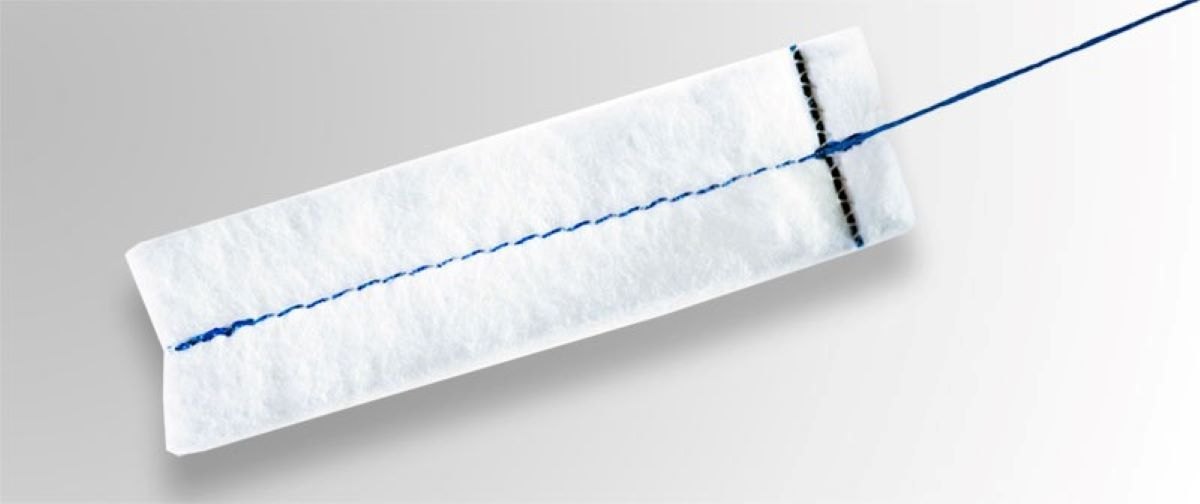
Cottonoids play a small but critical role in neurosurgery and microsurgery. Surgeons rely on them to manage fluids, protect delicate tissue, and maintain a clear operative field. A poor choice can affect visibility, handling, and overall surgical control. Because procedures vary widely in complexity and scale, selecting the right cottonoids requires more than a basic understanding of absorbent materials. Factors such as size, softness, absorbency, and visibility directly influence performance in the operating room. For hospitals and surgical teams planning to buy cottonoids, understanding these factors helps ensure safety, consistency, and predictable outcomes during sensitive procedures.
Understanding the Role of Cottonoids
Before selecting a product, it helps to understand how cottonoids function during surgery. Buy cottonoids absorb blood and other fluids, improving visibility and reducing the need for repeated suction. They also act as a protective layer between surgical instruments and fragile neural structures. In microsurgical settings, they assist with gentle tissue separation and controlled retraction without causing trauma. Because these tasks occur simultaneously, the cottonoid must balance absorbency with softness and shape retention.
Key Factors to Consider When Choosing Cottonoids
Several practical factors influence whether a cottonoid performs well during neurosurgery or microsurgery.
Size and Thickness
Cottonoids come in multiple sizes and thicknesses to meet different surgical needs. Smaller and thinner options suit microsurgical corridors where space remains limited. Larger cottonoids provide broader exposure and improved fluid control during open neurosurgical procedures. Matching size to anatomy improves handling and reduces unnecessary tissue contact.
Material Quality and Absorbency
Material quality determines how effectively a cottonoid absorbs fluids without breaking down. High-quality fibers maintain structure after saturation and reduce the risk of lint or residue. Consistent absorbency helps maintain a stable surgical field and reduces interruptions during critical steps.
Softness and Tissue Interaction
Softness matters because cottonoids often rest directly on neural tissue. A pliable surface adapts to contours and minimizes pressure-related injury. Products that stick or harden after absorbing fluids can increase the risk of tissue irritation during removal.
Visibility and Detectability
Many cottonoids include radiopaque markers or colored threads to support counting and detection. These features help surgical teams track usage and reduce the risk of retention. Clear visibility under surgical lighting also supports precise placement and removal.
Matching Cottonoids to Surgical Procedures
Different procedures place different demands on cottonoids. Microsurgery often requires thin, flexible options that fit narrow working spaces. Vascular or tumor-related procedures may need higher absorbency to manage sustained bleeding. Endoscopic or minimally invasive approaches benefit from cottonoids that maintain shape and visibility under magnification. Understanding the procedure type helps teams choose products that support efficiency rather than interfere with workflow.
Practical Considerations for Procurement and Use
Beyond surgical performance, practical factors influence long-term usability. Sterile packaging and compliance with medical standards remain essential for safety. Consistent sizing and labeling help operating room staff prepare efficiently. When hospitals or clinics buy cottonoids, they often evaluate reliability across multiple cases rather than isolated performance. Ease of handling, predictable absorption, and smooth removal support both surgeons and support staff during demanding procedures.
Conclusion
Choosing the right cottonoids involves balancing surgical needs with material performance and handling requirements. Size, softness, absorbency, and visibility all influence how effectively cottonoids support neurosurgery and microsurgery. A thoughtful selection process helps maintain a clear field, protect delicate tissue, and support surgical precision. For teams planning to buy cottonoids, focusing on quality, consistency, and procedure-specific needs leads to better control and safer outcomes across a wide range of surgical applications.