
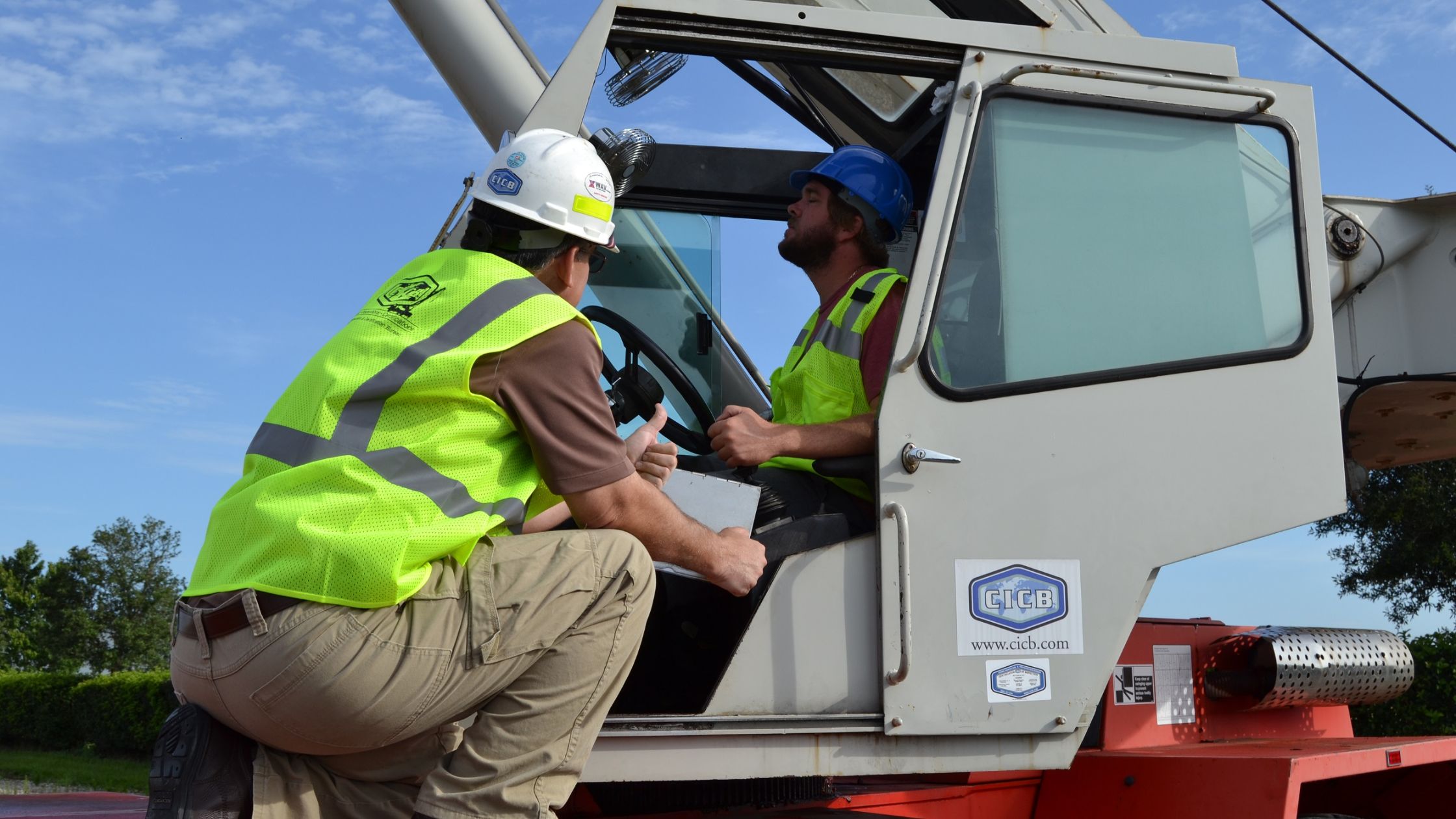
Crane work looks different today than it did even a few years ago. Job sites are tighter. Safety rules are firmer. Employers expect proof of skill, not promises. This blog looks at where mobile crane certification fits into real jobs in 2026. The goal is simple. Help readers understand which roles require certification, why those roles exist, and how people can prepare for them without confusion or fluff.
If you are already working around heavy equipment, you may be thinking, “Do I really need certification now?” The short answer is yes. The long answer explains how certification protects your career, your safety, and your future options.
Commercial Construction Roles Are Setting the Standard
Commercial construction remains the largest employer of certified crane operators. Office buildings, hospitals, warehouses, and retail projects rely on mobile cranes every day. These sites move fast. Mistakes cost money and time.
Many contractors now ask for proof before they even schedule an interview. In areas with steady growth, mobile crane certification in Perris is often viewed as a baseline requirement, not a bonus. Hiring managers want operators who can read load charts, plan lifts, and work safely around crews. They want people who arrive ready, not people who need supervision on basic tasks.
One site manager summed it up well. “A certified operator lets us sleep at night.” That sense of trust drives hiring decisions more than anything else.
Residential Development and Multi-Unit Projects
Large housing developments and apartment complexes also depend on mobile cranes. Trusses, HVAC units, steel beams, and prefabricated walls require careful lifts. These jobs often happen near homes, roads, and utilities.
Certification matters here because space is limited. Operators must think ahead. They must communicate clearly with ground crews. A single wrong move can shut down a project for hours.
For operators who prefer shorter projects with changing locations, residential work offers variety. Certification helps operators move between builders without repeating the same approval process each time.
Transportation and Civil Engineering Projects
Bridges, highways, rail lines, and overpasses require precision. Public safety is always part of the equation. Because many of these projects receive public funding, compliance is strict.
Certified operators are expected to understand documentation, inspection protocols, and safety plans. There is little room for shortcuts. This work rewards patience and focus.
Civil projects also offer stability. They often last months or years. Operators who value steady schedules and long-term planning often thrive here.
Industrial Maintenance and Shutdown Work
Factories, plants, and refineries rely on mobile cranes during maintenance periods and shutdowns. These environments are controlled but demanding. Equipment is expensive. Time windows are short.
Certification helps operators prepare for these conditions. Training covers planning lifts, managing risk, and working within confined spaces. Employers want operators who can follow procedures without hesitation.
This type of work suits people who like structure. Every lift has a plan. Every step matters. Certification shows that an operator respects that process.
Port Operations and Heavy Logistics
Ports, shipping yards, and freight terminals move massive loads daily. Mobile cranes support cargo handling, equipment repairs, and special lifts. These jobs involve tight deadlines and constant motion.
Certified operators are preferred because they understand both safety and speed. Ports cannot afford delays caused by errors or accidents. Operators must work well under pressure.
Many experienced operators enjoy this environment. As one trainer once said, “If you can work a crane here, you can work it anywhere.” Certification is often the entry ticket.
Energy Projects and Specialized Installations
Wind farms, power plants, and renewable energy sites rely on mobile cranes for installation and maintenance. Components are large. Sites are often remote. Weather adds another layer of challenge.
Operators entering this field usually come prepared through structured programs like crane operator training programs in Perris. These programs help build confidence before operators step onto complex job sites.
Energy work attracts operators who enjoy problem solving and travel. Certification helps them move between projects without delays or requalification issues.
Event, Film, and Specialty Lifting Jobs
Some crane operators work outside traditional construction. Film sets, stadium builds, and large public events all require precise lifting. These jobs demand flexibility and strong communication.
Certification is still required, even when the setting feels less industrial. Safety expectations remain high. Operators often work around crowds, lighting rigs, and temporary structures.
This path appeals to those who enjoy variety. No two days feel the same. Certification helps operators prove they can adapt.
What Employers Expect From Certified Operators
Before applying for any role, it helps to understand what employers look for today.
Core Expectations Across Job Types
- Clear understanding of crane limits and capacities
- Strong communication with riggers and spotters
- Consistent attention to safety procedures
- Ability to stay calm under pressure
- Professional attitude on every site
These traits matter as much as technical skill. Certification helps develop both.
Why Certification Matters More Than Experience Alone
Experience is valuable. No one denies that. But experience without certification leaves gaps. Employers cannot verify what someone knows just by hearing their story.
Certification creates a shared standard. It shows that an operator has met recognized requirements. It also shows commitment. Completing training takes effort. Passing exams takes focus.
Many operators say certification changed how they see their work. One shared this thought during a class. “I did not realize how much I was guessing until I learned the right way.” That awareness improves safety and confidence.
Planning a Career, Not Just the Next Job
Certification helps operators think long term. It opens doors to better projects, higher pay, and leadership roles. It also makes transitions easier when industries shift.
Asking simple questions helps. Where do I want to work next year? What jobs will still exist in five years? Certification supports those answers.
Short sentences. Clear goals. Real planning. That approach fits the industry today.
Final Remarks
Crane Training Academy focuses on preparation that works in the real world. Their approach centers on skill, clarity, and confidence. They train operators to understand equipment, respect safety, and handle pressure with calm focus.
In a job market where proof matters, Crane Training Academy helps operators move forward with credibility. Their programs reflect the needs of today’s job sites, not outdated assumptions. As certification continues to shape hiring in 2026, their role remains simple and important. They help people step into crane work ready, capable, and respected.