
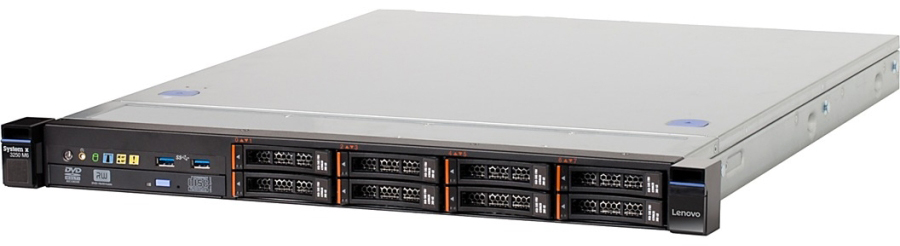
Modern networks grow fast every year. Businesses add more data, more users, and more tools each day. Due to this growth, servers must remain small, fast, and easy to manage. A 1U rack server fits this need very well.
This rise prompts teams to utilize space efficiently. A 1U rack server takes very little room yet supports many tasks. It helps teams save space, save power, and stay organized. It also works well in busy network rooms.
In this guide, you will learn how these compact servers support daily work. You will also see where they fit best in modern networks.
Let us explore how one small unit can handle big jobs.
1. Powering Web Hosting and Applications
Many companies host internal and public websites. These sites need fast response and steady uptime. A 1U rack server supports web hosting with ease.
It runs web servers, app servers, and backend tools. Teams use it for dashboards, portals, and customer tools. It also scales well when traffic grows.
How it helps daily operations
A single unit can host many small apps. It keeps the load balanced and easy to manage. This makes updates quick and safe. Due to its size, teams often place it in a 1u Rack Server setup that maintains clean airflow and keeps cables neat. It also helps teams spot issues fast and fix them before users feel any delay. This setup supports steady performance even when traffic rises during busy hours.
2. Supporting Core Network Services
Every network needs basic services to stay active. These services operate continuously throughout the day without interruption. A 1U rack server works well for this role.
It handles tasks like domain control, file sharing, and print services. It stays stable and is easy to access. Because it takes little space, teams can stack many units in one rack. This setup keeps the network smooth and ready at all times.
Common services include
- User login systems
- File access systems
- Internal tools
3. Handling Virtual Machines Efficiently
Virtual machines enable teams to run multiple systems on a single server. A 1U rack server is well-suited for this task. It runs several virtual systems at once. Each system works on its own task. This saves hardware and power.
Teams use it for
- Testing new software
- Running old systems
- Isolating workloads
Why this setup works well
The server stays compact yet strong. It handles memory and storage needs with care. Teams can easily add or remove virtual machines. This makes it ideal for labs and shared network roles.
4. Managing Backup and Recovery Tasks
Data loss creates stress and delay. Backup systems protect networks from this risk. A 1U rack server fits well into backup plans. It stores copies of files and system images. It runs backup jobs at night or during low-use hours.
Benefits include
- Fast recovery
- Low space use
- Simple setup
It is frequently mounted by teams using a server rack mount design that keeps it near important systems. This short distance helps with speed and safety.
5. Running Edge and Branch Office Systems
Not all work is conducted in a single main office. Many teams run branch offices or edge locations. These sites need local servers. A 1U rack server is well-suited for use in small rooms. It supports local apps and data sync tasks. It keeps branch sites fast even when the links slow down.
Uses include
- Local user access
- Data caching
- Remote office control
6. Supporting Monitoring and Security Tools
Networks require robust security and clear visibility. Monitoring tools track health and threats. A 1U rack server is well-suited for running these tools. It hosts logs, alerts, and dashboards. It watches traffic and system load.
Key monitoring tasks
The server tracks uptime and errors. It sends alerts when issues start. This helps teams act early and avoid downtime. Because it stays compact, teams place it near other core units. This keeps the data flow smooth.
7. Powering Development and Testing Environments
Developers need safe places to test ideas. Production systems should stay untouched. A 1U rack server creates a clean test zone. It runs test builds and sample data. It allows quick changes without risk. This speeds up development and keeps the main systems safe.
Teams use it for
- Code testing
- Patch checks
- Tool trials
8. Handling Storage and File Management
Files grow fast in modern work. Teams share documents, media, and backups. A server rack 1U helps manage this load. It acts as a file server or storage node. It keeps data organized and easily accessible.
Why storage teams choose this option
The server accommodates multiple drives in a compact space. It supports fast access and a clear structure. Teams scale storage without requiring large hardware additions. This makes it a smart choice for growing networks.
Conclusion
Modern networks require tools that are both compact and robust. A 1U rack server meets this need across many roles. It supports core services, web hosting, backups, and more. It saves space and keeps racks clean. It also helps teams grow without stress.
Each use above shows how one unit can handle real work every day. When teams plan smart layouts and clear tasks, these servers shine. They connect speed, space, and control in one simple form. As networks continue to grow, this compact server will remain a trusted part of the setup.