
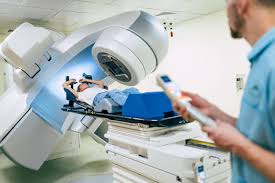
Infrared radiation therapy is a supportive treatment that uses gentle heat to help the body feel more comfortable. Doctors may include it as part of a wider care plan where relaxation, circulation, and recovery matter. Many patients want to understand how this therapy works.
This therapy does not replace medical treatment or diagnosis. Instead, doctors may use it alongside standard care to support comfort and healing. Knowing how it works and when it is used helps patients have informed discussions with their healthcare team.
Understanding Infrared Radiation
Infrared radiation is a natural form of energy that creates warmth. People experience it every day from sunlight or heaters. In healthcare settings, special devices deliver this energy in a controlled way.
Unlike surface heat, infrared energy can reach deeper tissues. This allows doctors to use it when deeper warmth may help relax muscles or support blood flow. Medical supervision keeps the treatment safe and suitable for each patient.
How Infrared Radiation Therapy Works in the Body?
When infrared energy reaches the skin, it produces gentle warmth. This warmth helps widen blood vessels, improving circulation in the treated area. Improved blood flow supports the delivery of oxygen and nutrients to tissues.
As circulation improves, muscles may feel more relaxed, and stiffness may ease. Some patients also report feeling more comfortable after treatment. Doctors decide whether this therapy fits into a patient’s care plan based on individual needs.
Types of Infrared Radiation Used in Therapy
Doctors classify infrared radiation therapy by how deeply the warmth reaches inside the body. Each type is used for a specific purpose, depending on the area being treated.
- Near Infrared: This type reaches deeper layers of tissue. Doctors often use it under supervision when deeper muscle or tissue support is required.
- Mid Infrared: This form produces warmth closer to the surface. It is commonly used to help relax muscles and ease stiffness.
- Far Infrared: This type mainly warms the skin. It provides mild, comfortable heat that supports relaxation and overall comfort.
Doctors select the type based on treatment goals and patient comfort.
Common Healthcare Applications
Infrared therapy may be used as part of supportive care in certain situations.
- Muscle and Joint Comfort
Gentle heat can reduce stiffness when combined with physiotherapy. - Circulation Support
Improved blood flow may help tissues during recovery. - Rehabilitation Care
Some recovery programmes include this therapy to improve comfort.
This therapy supports medical care but does not replace it.
Safety and Medical Supervision
Safety is essential during infrared therapy. Healthcare teams follow clear guidelines to protect patients.
- Medical Assessment: Doctors review health history and skin sensitivity before treatment.
- Controlled Sessions: Time and temperature are carefully monitored.
- Patient Suitability: Certain medical conditions may mean this therapy is not suitable for everyone.
Medical supervision ensures the therapy remains safe and beneficial.
Scientific Evidence and Ongoing Research
Researchers continue to study how infrared therapy affects comfort, circulation, and muscle relaxation. Some studies show benefits, while others suggest the need for more research.
Doctors view this therapy as supportive rather than curative. It may help improve comfort, but it does not treat or cure diseases. Ongoing research helps refine safe use in healthcare.
What Patients Can Expect During a Session?
Sessions usually take place in a calm clinical setting. Patients sit or lie comfortably while the device delivers gentle warmth to the chosen area. Healthcare staff explain the process and remain available throughout. Patients can share feedback at any time. Most people can return to normal activities after the session unless advised otherwise.
Conclusion
Infrared heat therapy is a supportive option used alongside medical care. It works by providing controlled warmth that may improve circulation and help muscles relax. While it does not replace medical treatment, it can support comfort when doctors recommend it.
Understanding how this therapy works helps patients discuss it confidently with their healthcare providers. With medical guidance and clear expectations, infrared therapy can be used safely and responsibly to support wellbeing.