
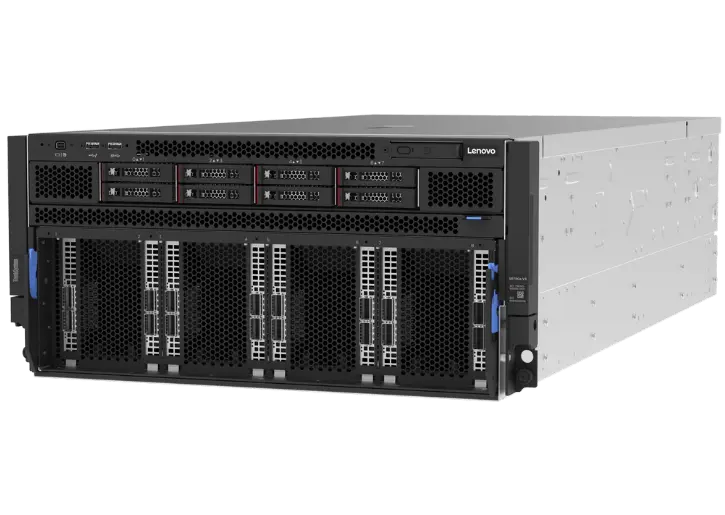
Data grows every single day. People share files, watch videos, and save work online. Due to this growth, storage servers are more important than ever.
The global big data market forecast anticipates market growth of $473.6 billion by 2030.
That number keeps rising each year. This change prompts businesses, schools, and teams to manage data more effectively. Storage servers now do more than save files. They protect data, speed up access, and reduce cost. They also help teams work together without stress.
This article outlines eight storage server innovations that have shaped modern data management. By the end, you will see how storage servers now support fast, safe, and easy data use for everyone.
1. Smart Storage That Learns From Data Use
Storage servers now utilize intelligent systems that analyze how people interact with data. These systems track which files people open often. They also track which files stay idle. As a result of this learning process, storage servers allocate important data to faster storage areas. This change helps users open files quickly. It also reduces wait time.
Over time, the system improves on its own. It does not need manual control. This innovation makes data handling smooth and stress-free.
Benefits include
- Faster file access
- Better system balance
- Less manual work
2. Software-Defined Storage For Flexible Control
Software-defined storage separates storage control from hardware. This shift allows teams to manage data through simple software tools. They can add storage change rules and adjust space without touching physical parts.
Why software control matters
This approach helps teams grow without limits. It also cuts costs. Teams no longer replace hardware often. They adjust through software instead. This innovation supports fast-growing data needs.
Key gains include
- Easy scaling
- Lower setup cost
- Simple control panels
3. High-Speed Flash Storage Servers
Flash-based storage servers replace slow-spinning disks. Flash storage reads and writes data at high speed. This change improves performance across apps and systems.
Users notice faster load times. Teams finish tasks quickly. Systems stay stable even under heavy use. Flash storage also uses less power. This helps save energy. This speed shift transforms daily data work.
Advantages include
- Quick response time
- Lower energy use
- Better system stability
4. Object Storage For Massive Data Growth
Object storage breaks data into small units. Each unit carries its own tag. This method helps store large data volumes like videos, images, and backups. Unlike old folder systems, object storage grows easily. It also works well across locations.
How object storage helps teams
Teams can search data faster. They also store data for long periods at low cost. This innovation supports modern data growth.
Main benefits include
- Simple scaling
- Easy search
- Strong data protection
5. Built-In Data Protection And Recovery
Data safety matters more than ever today. Storage servers now include built-in protection tools that operate continuously. These tools guard data against failure errors and sudden loss. Earlier teams depended on manual backups. That approach caused delays and mistakes. Modern storage servers address this issue by automatically running backups.
Modern servers create backup copies in real time. If data fails, the system restores it fast. This feature builds trust. Teams work without fear of loss. This safety focus improves confidence and control.
Key features include
- Auto backups
- Fast recovery
- Reduced downtime
6. Hybrid Storage That Blends Local And Cloud
Hybrid storage servers blend local storage with cloud storage. This setup gives users the best of both worlds. Local storage keeps active data close. Cloud storage handles large or less-used data. Together, they create a smooth and balanced system. This balance offers both speed and space. Teams control where data lives. Hybrid storage fits many work styles today.
Benefits include
- Flexible data placement
- Cost balance
- Easy remote access
7. AI-Driven Storage Management
AI-driven storage management brings intelligence into data handling. Storage servers now use AI tools to study patterns. These tools track how teams utilize data on a daily basis. Based on this data, the system predicts future needs.
AI helps servers prepare in advance. It shifts data to faster storage before demand rises. It also frees space when files lose importance. This smart planning keeps systems smooth.
How AI improves daily operations
AI tools automatically adjust storage rules. They prevent overload. They also reduce waste. AI brings smart control to data storage.
Main benefits include
- Smart predictions
- Early issue alerts
- Better resource use
8. Energy-Efficient Green Storage Design
Storage servers now focus on energy use. New designs cut power needs. They also reduce heat. This change helps the environment and saves costs. Energy-smart servers use efficient cooling. They also power down idle parts. Green storage supports long-term goals.
Benefits include:
- Lower power bills
- Reduced heat
- Eco-friendly systems
Conclusion
Storage servers no longer act as simple data boxes. They now support smart, fast, and safe data use. Each innovation builds on real needs. Speed, flexibility, safety, and growth matter to every team. From AI-driven control to green design, these changes shape modern data management.
They help users work faster and worry less. They also prepare systems for future growth. As data continues to grow, these storage server innovations guide the way. They turn complex data tasks into simple daily actions. This shift makes data work easier for everyone.