
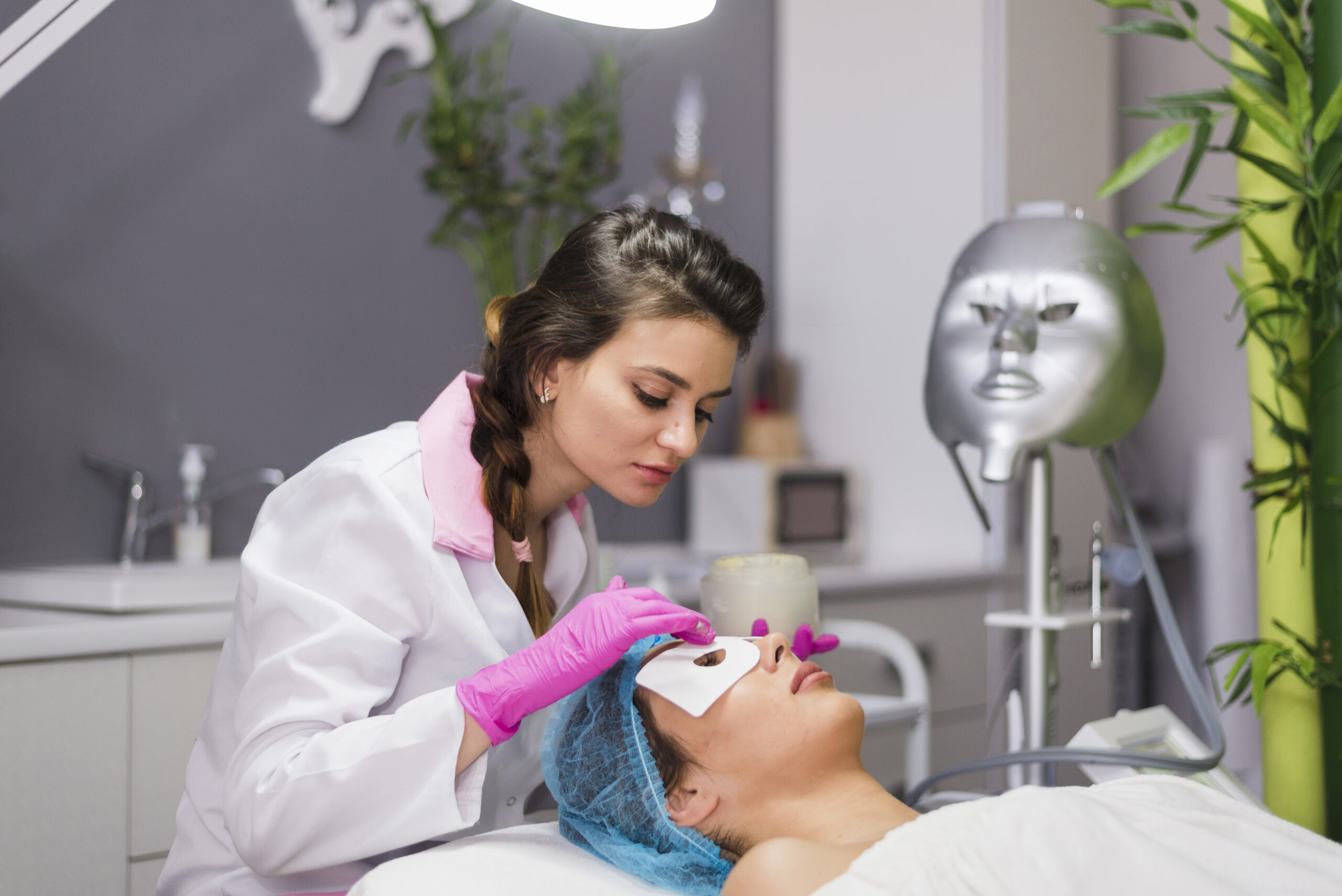
Have you ever walked into a cosmetic clinic hoping for a subtle enhancement, only to leave feeling like just another number? Or perhaps you’ve wondered why the same treatment works brilliantly for your friend but falls flat for you? What if the secret to achieving your aesthetic goals isn’t about finding the “best” treatment—but rather finding the right treatment for *you*?
The cosmetic industry has undergone a massive shift in recent years. Gone are the days when practitioners applied the same approach to every client who walked through the door. Today, leading clinics across Australia are embracing customised care that considers your unique features, lifestyle, and goals. This move towards tailored treatment plans isn’t just a trend—it’s becoming the gold standard in cosmetic medicine.
In this post, we’ll explore why personalised treatment plans make such a difference in cosmetic clinics. You’ll discover what these customised approaches involve, why they matter for your safety and results, and how to find a clinic that truly puts your individual needs first. Whether you’re considering your first cosmetic procedure or you’re a seasoned client looking for better outcomes, understanding the power of personalisation could transform your entire experience.
What Is a Personalised Treatment Plan in Cosmetic Medicine?
A personalised treatment plan is essentially a roadmap created specifically for you. Rather than offering a generic solution, your practitioner takes time to understand your unique characteristics, concerns, and desired outcomes before recommending any procedures.
Key Components of a Customised Approach
Several elements come together to create a truly tailored plan. First, there’s a thorough assessment of your skin type, texture, and current condition. Your practitioner will also consider your facial anatomy, bone structure, and how your features work together as a whole.
Beyond the physical, a customised approach examines your lifestyle factors. Do you spend lots of time outdoors? What’s your skincare routine like? Are there any health conditions or medications that might affect treatment outcomes? All these details shape the final recommendations.
How Personalised Plans Differ from One-Size-Fits-All Treatments
Traditional approaches often relied on standard protocols. Everyone wanting lip filler got the same amount; anyone concerned about wrinkles received identical treatment. The problem? We’re all different, and our faces tell unique stories.
Customised plans recognise that what works for a 25-year-old with oily skin won’t suit a 55-year-old with dry, sensitive skin. They account for ethnic differences in skin behaviour, individual healing patterns, and personal aesthetic preferences. The result is a plan that feels genuinely yours.
Why Are Personalised Treatment Plans Important for Cosmetic Procedures?
Understanding Individual Skin Types and Concerns
Your skin is as unique as your fingerprint. Factors like melanin levels, oil production, sensitivity, and elasticity vary dramatically from person to person. A treatment that produces stunning results for one client might cause complications or disappointing outcomes for another.
Take laser treatments, for example. Different skin tones respond differently to various wavelengths. Without proper personalisation, clients with darker skin tones risk hyperpigmentation or scarring. A tailored approach ensures your practitioner selects the right technology and settings for your specific skin type.
Accounting for Lifestyle, Age, and Health Factors
Your daily habits significantly influence treatment choices. Someone who works night shifts might need different aftercare advice than someone with a regular 9-to-5. Athletes may require modified treatment schedules to accommodate training.
Age matters too—not because of arbitrary rules, but because skin changes over time. Collagen production slows, skin thins, and healing patterns shift. A good practitioner adjusts their approach accordingly. Plus, certain health conditions and medications can affect how your body responds to treatments, making thorough health assessments essential.
Setting Realistic Expectations and Goals
Perhaps most importantly, personalised planning involves honest conversations about what’s achievable. Your practitioner should help you understand what results you can realistically expect based on your starting point and chosen treatments.
This isn’t about managing expectations downward—it’s about ensuring you’re genuinely happy with your outcomes. When clients and practitioners align on goals from the start, satisfaction rates soar.
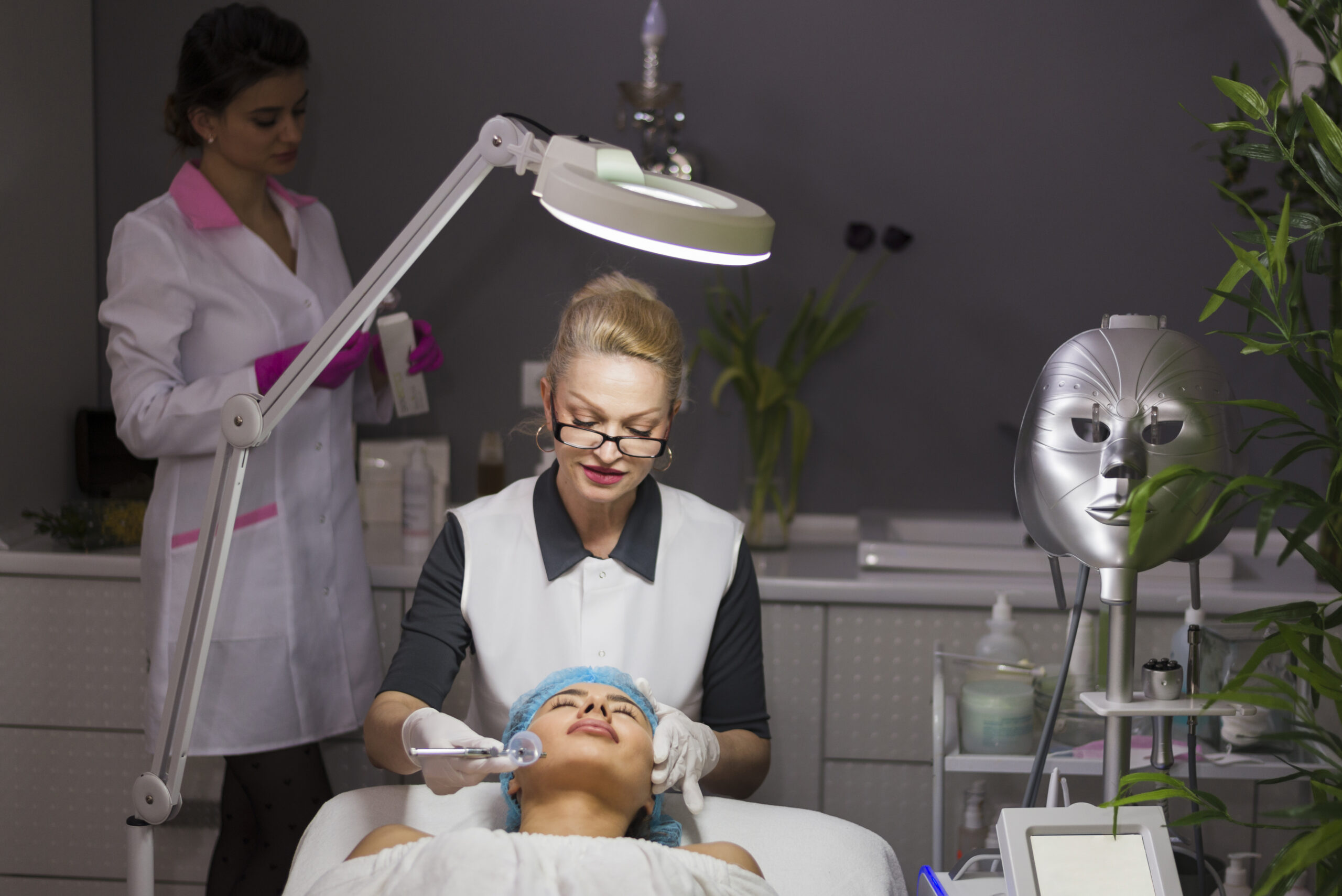
How Do I Choose the Right Cosmetic Clinic for My Needs?
What to Look for in a Reputable Clinic
Seek out clinics that prioritise thorough consultations over quick sales. Good signs include detailed consent processes, comprehensive aftercare support, and willingness to turn away clients who aren’t suitable candidates.
Check for proper registration with Australian health authorities. Look at reviews, but focus on comments about the consultation experience rather than just results.
The Importance of Qualified Practitioners
In Australia, cosmetic procedures should be performed by appropriately trained practitioners. For injectable treatments, this typically means doctors, nurses, or dentists with specific cosmetic training. For surgical procedures, look for specialists registered with relevant medical boards.
Don’t be shy about asking about qualifications and experience. Reputable practitioners welcome these questions.
Red Flags to Avoid
Be wary of clinics offering “one-day specials” or heavy discounts. Steer clear of practitioners who dismiss your concerns or pressure you into decisions. If a consultation feels rushed or your questions go unanswered, trust your instincts and look elsewhere.
Can Cosmetic Treatments Be Customised for Different Skin Tones?
Addressing Diverse Skin Types and Conditions
Absolutely—and they should be. Different skin tones have different characteristics, from melanin distribution to scarring tendencies. Experienced practitioners understand these variations and adjust their approaches accordingly.
Certain lasers, for instance, are safer for darker skin tones. Some chemical peels work better for specific skin types. Personalised planning ensures you receive treatments optimised for your skin.
Why Representation Matters in Treatment Planning
Historically, cosmetic research and training focused predominantly on lighter skin tones. This left many practitioners ill-equipped to treat diverse clients safely and effectively.
Thankfully, this is changing. Seek out practitioners who demonstrate knowledge and experience working with skin tones similar to yours. Representation in before-and-after photos is a good indicator of this experience.
Investing in Your Unique Beauty Journey
Throughout this exploration of personalised cosmetic care, one theme stands clear: you deserve treatment that recognises your individuality. From the initial consultation at a trusted cosmetic clinic through to your final results, a customised approach delivers safer procedures, more natural outcomes, and greater satisfaction.
The shift towards personalisation in cosmetic medicine represents a fundamental change in how practitioners at a professional cosmetic clinic view their clients. Rather than seeing a “wrinkle patient” or a “lip filler client,” experienced specialists see a whole person with unique needs, goals, and characteristics worth understanding.
As you consider your own cosmetic journey, prioritise finding a reputable cosmetic clinic that takes time to truly know you. Ask questions during consultations. Notice whether practitioners listen as much as they talk. Your face tells your story—make sure the cosmetic clinic you choose helps you write the next chapter with care and expertise. Your unique beauty deserves nothing less than a treatment plan created just for you.