
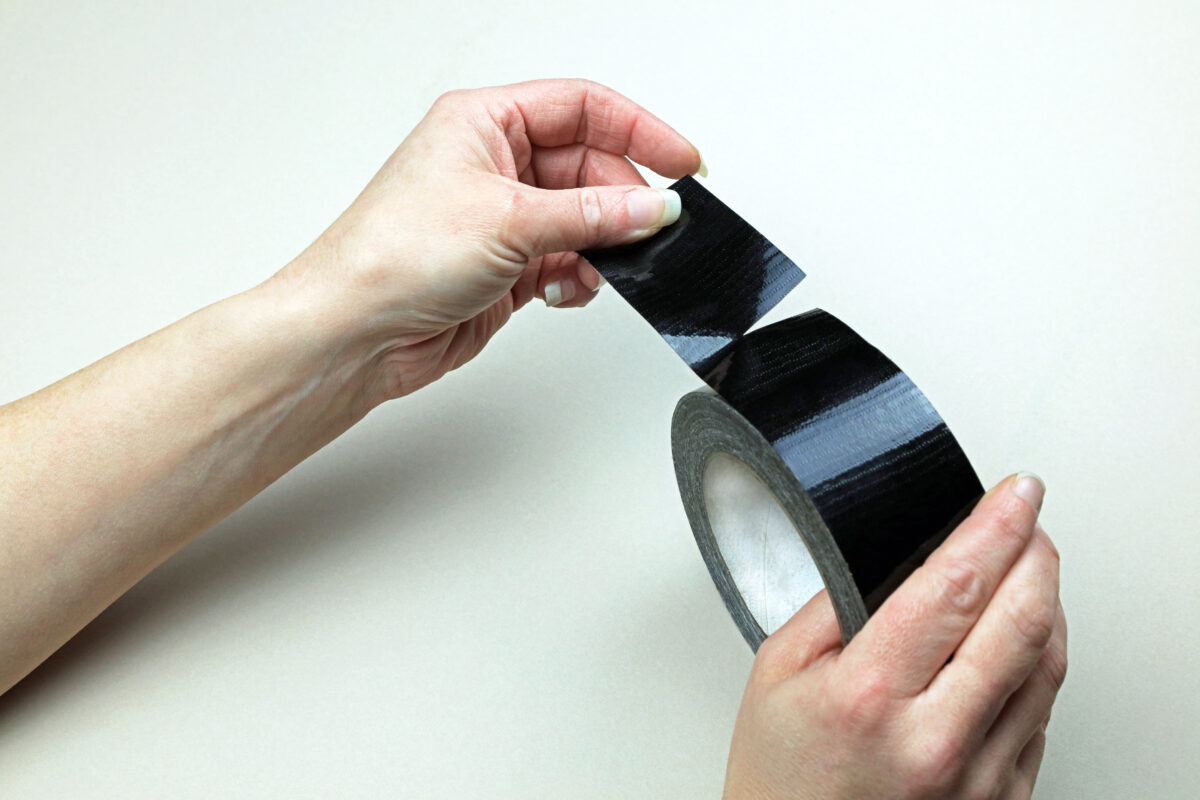
Protection tape plays a critical role in safeguarding surfaces, products, and materials from damage during manufacturing, storage, transport, and installation. From construction sites and automotive workshops to electronics packaging and home renovations, protection tape offers a simple yet highly effective solution for preventing scratches, abrasions, moisture damage, and residue marks.
As industries demand higher efficiency and lower replacement costs, protection tape has become an essential tool rather than an optional accessory. Understanding what protection tape is, how it works, and where it delivers the most value helps businesses and individuals make smarter protection decisions.
What Protection Tape Really Is and How It Works
Protection tape is a specialised adhesive tape designed to temporarily cover and protect surfaces without causing damage when removed. Unlike standard adhesive tapes, protection tape is engineered with controlled adhesion, ensuring it sticks firmly during use but peels away cleanly once protection is no longer needed.
Most protection tapes feature materials such as polyethylene film, PVC, paper, or fabric backing. These materials create a barrier against dust, dirt, scratches, chemicals, and weather exposure. The adhesive layer is carefully formulated to avoid leaving residue, even after extended application.
This balance of strength and removability makes protection tape ideal for both short-term and long-term surface protection.
How Protection Tape Is Used in Construction and Renovation Projects
In construction and renovation environments, surfaces are constantly exposed to potential damage. Floors, windows, benchtops, doors, and fixtures are at risk during painting, tiling, plastering, and installation work. Protection tape provides a reliable solution by covering vulnerable surfaces throughout the project lifecycle.
Builders and contractors frequently use protection tape to safeguard glass panels, aluminium frames, polished stone, and timber surfaces. The tape acts as a shield against tools, debris, spills, and foot traffic. Once the job is complete, the tape can be removed quickly, leaving surfaces clean and undamaged.
Using protection tape in construction not only preserves surface quality but also reduces rework, repair costs, and project delays.
Why Protection Tape Is Essential in Manufacturing and Industrial Settings
Manufacturing environments demand precision, consistency, and efficiency. During production, components often move through multiple stages, increasing the risk of scratches and contamination. Protection tape ensures sensitive surfaces remain intact from start to finish.
In metal fabrication, protection tape prevents scuffing on stainless steel and aluminium sheets. In electronics manufacturing, it shields screens, panels, and delicate components from dust and static exposure. Automotive manufacturers rely on protection tape to protect painted surfaces and trims during assembly and transport.
By reducing damage-related waste and rejections, protection tape directly contributes to cost savings and quality assurance.
How Protection Tape Supports Safe Transport and Storage
Transportation and storage expose products to vibrations, friction, and environmental factors. Protection tape acts as a protective layer during shipping, preventing damage caused by movement and handling.
Warehouses use protection tape to cover finished goods, ensuring they remain pristine until delivery. Retailers apply protection tape to furniture, appliances, and fixtures to maintain showroom-quality presentation. For export shipments, protection tape also offers resistance against moisture and temperature fluctuations.
This added layer of protection enhances customer satisfaction and reduces return rates caused by transit damage.
What Types of Protection Tape Are Available Today
Protection tape comes in various types, each designed for specific applications. Surface protection tape is commonly used for glass, metal, and plastic surfaces. Floor protection tape provides high durability for construction sites and heavy foot traffic. UV-resistant protection tape is suitable for outdoor applications, maintaining performance under sunlight exposure.
There are also low-tack and medium-tack options depending on surface sensitivity. Choosing the right type of protection tape ensures optimal adhesion without risking surface damage during removal.
Understanding tape specifications such as thickness, adhesive strength, and temperature resistance is essential for selecting the most effective solution.
How Protection Tape Helps Reduce Costs and Improve Efficiency
Investing in protection tape delivers measurable cost benefits. Preventing surface damage eliminates the need for repairs, replacements, and touch-ups. This not only saves money but also protects timelines and project schedules.
Protection tape also improves workflow efficiency. Workers can perform tasks confidently without fear of damaging surrounding areas. Cleanup time is reduced, and final inspections are smoother when surfaces remain intact.
For businesses, these advantages translate into higher productivity, improved reputation, and stronger customer trust.
What to Consider When Choosing the Right Protection Tape
Selecting the right protection tape depends on the surface type, duration of use, and environmental conditions. Smooth surfaces require different adhesion levels compared to textured or porous materials. Indoor and outdoor applications may require different resistance properties.
It is also important to consider removal timelines. Some tapes are designed for short-term use, while others can remain in place for weeks or months without degrading. Testing a small area before full application helps ensure compatibility and performance.
Working with reliable suppliers ensures access to high-quality protection tape that meets industry standards.
Why Protection Tape Is a Smart Investment for Any Industry
Protection tape may seem like a small detail, but its impact is significant. It protects valuable assets, maintains surface quality, and supports efficient operations across industries. From construction and manufacturing to logistics and retail, protection tape delivers consistent results with minimal effort.
By choosing the right protection tape and using it correctly, businesses and individuals can prevent avoidable damage, save time, and maintain professional standards. In an environment where quality and efficiency matter, protection tape remains an indispensable solution.