
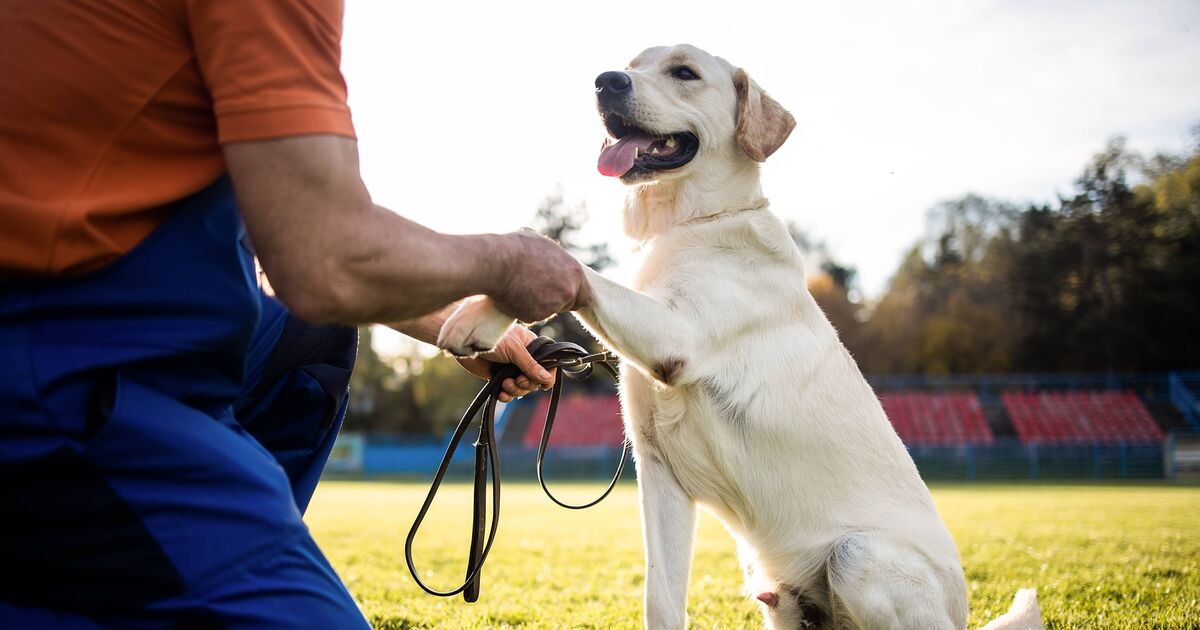
Training a dog is one of the most important responsibilities of a pet owner. Well-trained dogs are happier, safer, and easier to manage, while owners enjoy a stronger bond and a more fulfilling companionship. Professional dog training courses offer structured guidance, effective techniques, and expert knowledge to help dogs learn obedience, social skills, and problem-solving behaviours. Whether you have a puppy or an adult dog, enrolling in a course can transform your pet’s behaviour and make daily life easier.
Why Dog Training Courses Are Important
Dogs are intelligent animals, but without proper training, they can develop behavioural issues such as excessive barking, chewing, or aggression. Dog training courses provide:
- Structured Learning: Step-by-step guidance for consistent training
- Expert Advice: Techniques backed by experience and scientific methods
- Socialisation: Opportunities for dogs to interact safely with other pets and people
- Behaviour Correction: Addressing specific problems in a controlled environment
Professional courses not only teach obedience but also build mutual trust between dogs and owners.
Types of Dog Training Courses
Dog training courses come in various formats depending on the dog’s age, temperament, and learning goals. Common types include:
-
Puppy Training Courses
- Focus on early socialisation, basic commands, and house training
- Introduce puppies to other dogs and humans in a controlled environment
- Teach bite inhibition, recall, sit, stay, and leash walking
-
Obedience Training Courses
- Suitable for dogs of all ages
- Emphasise basic commands such as sit, stay, heel, and come
- Help prevent behavioural issues and improve responsiveness
-
Behavioural Modification Courses
- Address aggression, anxiety, excessive barking, or destructive behaviour
- Include specialised techniques tailored to the dog’s personality and issues
- Often conducted with professional guidance and one-on-one sessions
-
Advanced Training Courses
- For dogs that have completed basic training
- Includes off-leash training, agility, scent work, and specialised skills
- Ideal for service dogs, therapy dogs, or competitive activities
Benefits of Enrolling in Dog Training Courses
Enrolling in professional dog training courses provides numerous advantages:
- Improves Obedience: Dogs learn to respond reliably to commands, making walks, outings, and home life easier.
- Strengthens Owner-Dog Bond: Training sessions encourage interaction, communication, and mutual understanding.
- Enhances Social Skills: Dogs are exposed to other dogs and people, reducing fear and aggression in social settings.
- Reduces Stress and Behavioural Problems: Structured training helps prevent problem behaviours and makes dogs more confident and relaxed.
- Increases Safety: Obedient dogs are less likely to run into dangerous situations or engage in risky behaviour.
Choosing the Right Dog Training Course
When selecting a course, consider the following:
- Trainer Credentials: Look for experienced trainers certified in canine behaviour
- Class Size: Smaller classes allow for personalised attention
- Training Methods: Positive reinforcement is widely recommended for effectiveness and safety
- Course Duration: Ensure the program is long enough to teach and reinforce skills
- Facility Environment: Safe, clean, and controlled spaces promote learning
- Reviews and Recommendations: Feedback from other dog owners can indicate quality
Tips for Maximising the Benefits of Dog Training Courses
- Consistency at Home: Practice commands daily outside of class
- Patience: Training takes time; dogs learn at their own pace
- Positive Reinforcement: Reward desired behaviour with treats, praise, or toys
- Early Start: Puppies benefit the most from early socialisation and basic training
- Follow-Up: Consider refresher courses or advanced sessions to maintain skills
Common Myths About Dog Training Courses
- “Only puppies need training.” Adults can also learn new skills and improve behaviour.
- “Training is only about obedience.” Courses also teach socialisation, mental stimulation, and confidence.
- “Positive reinforcement doesn’t work.” Research shows reward-based training is effective and humane.
- “Training takes too long.” Short, consistent sessions yield better results than occasional long sessions.
Conclusion
Professional dog training courses are an investment in your dog’s well-being, behaviour, and happiness. From basic obedience to advanced skills, these courses provide guidance, structure, and expertise to help dogs reach their full potential. Training strengthens the bond between dogs and their owners, ensures safety, improves socialisation, and reduces behavioural issues.
Whether you have a playful puppy or an adult dog, enrolling in a course is the first step toward a well-behaved, confident, and happy companion. By choosing the right course and staying consistent with training, owners can enjoy a lifelong, rewarding relationship with their pets.