
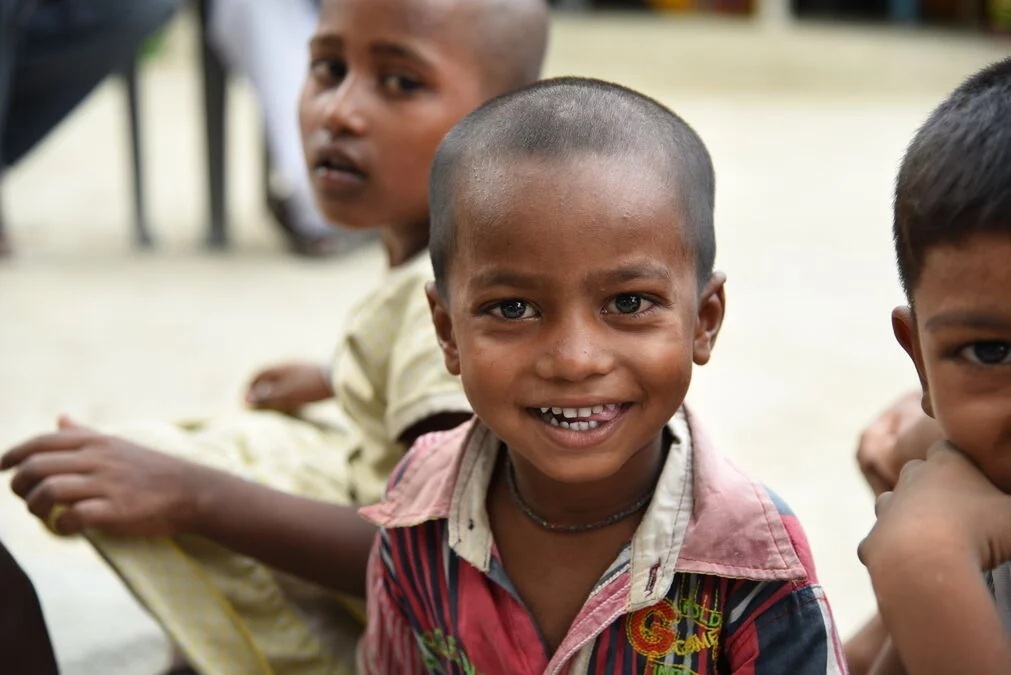
Let’s be honest. We’ve all felt that tug at our heartstrings when we see a child on the street instead of in a classroom. You want to help. You want to donate money, but a dozen questions stop you. Is the organization legitimate? Will my 500 rupees actually matter? Where does the money even go?
If you’re reading this, you’re already part of the solution. You aren’t just looking to “spend” money; you’re looking to invest in a human being’s future. In India, where millions of children still struggle for basic rights, your decision to give is the bridge between a life of hardship and a life of opportunity.
Key Takeaways: Why Your Donation Matters
- Immediate Relief: Your money provides meals, books, and vaccines now.
- Systemic Change: Organizations like CRY work with communities to ensure long-term child protection.
- Tax Benefits: In India, donating to registered NGOs qualifies you for a 50% tax deduction under Section 80G.
- Transparency: Reputable NGOs provide audited reports so you know exactly how your funds are utilized.
The Reality of Child Rights in India
India has made massive strides, but the numbers are still sobering. Thousands of children drop out of school every year due to poverty. Child labor remains a harsh reality in many sectors. When you choose to donate money, you aren’t just giving a handout; you are fighting against these statistics.
Think of it this way: The cost of one fancy dinner in a metro city could fund a child’s education for an entire month. When we shift our perspective from “charity” to “responsibility,” the impact multiplies.
Where Does Your Money Actually Go?
Transparency is the backbone of trust. When you donate to a structured organization like CRY (Child Rights and You), your contribution is channeled into four primary pillars:
1. Education
This is the ultimate equalizer. Donations pay for school kits, teacher training, and the infrastructure needed to keep children in classrooms. We aren’t just talking about literacy; we’re talking about the confidence to dream.
2. Health and Nutrition
Malnutrition is a silent crisis. Your funds help provide supplementary nutrition to infants and lactating mothers, ensuring a healthy start to life. It also covers life-saving vaccinations and regular health check-ups.
3. Safety and Protection
Child marriage and child labor are still prevalent in many pockets of the country. Donated funds go toward community awareness programs and “Children’s Groups” that empower kids to stand up for their rights.
4. Policy Change
CRY doesn’t just work on the ground; we work with the government to influence laws. Your money supports research and advocacy that leads to better child protection policies nationwide.
One-Time Donation vs. Monthly Giving: Which is Better?
Many donors ask if they should give a large lump sum or a smaller monthly amount. Both are incredible, but they serve different purposes.
| Feature | One-Time Donation | Monthly Giving (Sustainers) |
|---|---|---|
| Commitment | Low – perfect for festivals or birthdays. | Long-term – creates a steady stream of impact. |
| Planning | Helps with immediate, specific projects. | Allows the NGO to plan projects 6-12 months in advance. |
| Budgeting | Can be a bit heavy on the pocket at once. | Easy, automated, and feels like a small subscription. |
| Tax Benefit | Full 80G benefit on the total amount. | Consolidated tax receipt at the end of the year. |
The “Secret” Perk: Tax Savings Under Section 80G
Let’s talk about a benefit that helps you while you help others. The Indian government encourages social responsibility by offering tax incentives. When you donate money to an NGO with 80G certification, you can claim a 50% deduction from your taxable income.
For example, if you donate ₹10,000, ₹5,000 is deducted from your taxable income. It’s a win-win. You contribute to the nation’s future, and you save on your tax bill. Just make sure to keep your donation receipt and the 80G certificate provided by the NGO.
How to Donate Safely Online
The digital age has made giving easier, but you must stay vigilant. Follow these steps to ensure your money reaches the right hands:
- Check the URL: Always ensure the website starts with
https://(the ‘s’ stands for secure). - Look for Certifications: Ensure the NGO is registered under the Societies Registration Act and has valid 12A and 80G certifications.
- Read the Impact Report: Legitimate NGOs like CRY publish annual reports that are audited by third-party firms.
- Use Official Channels: Avoid giving cash to unauthorized individuals. Use secure payment gateways on official websites.
Frequently Asked Questions (FAQs)
Q1: Is there a minimum amount I need to donate? Absolutely not. Whether it’s ₹500 or ₹50,000, every bit helps. In many rural programs, even a small amount can cover a child’s school supplies for a term.
Q2: Can I donate if I am not living in India? Yes! NRIs can donate and support child rights in India. However, the tax benefits (Section 80G) typically apply only to income earned and taxed within India.
Q3: How do I get my donation receipt? Most organizations send a digital receipt via email within minutes of a successful online transaction. This receipt is essential for your tax filings.
Q4: Can I choose which project my money goes to? While you can often choose broad categories (like education or health), allowing the NGO to allocate funds where the need is most urgent is usually the most effective way to help.
Your Small Step is a Giant Leap for a Child
At the end of the day, you aren’t just “donating money.” You are telling a child in a remote village that they matter. You are telling a young girl that her dreams aren’t restricted by her circumstances.
The process is simple, the impact is permanent, and the feeling of knowing you’ve changed a life is incomparable.