
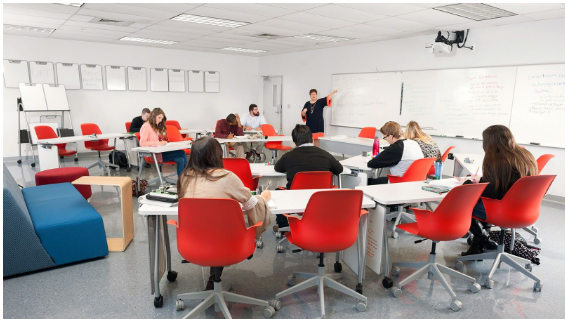
Strong study habits form the backbone of academic excellence. Students who follow structured routines, understand how to manage their learning time, and stay committed to steady improvement consistently perform better than those who rely on last-minute preparation. The environment in which a student learns also significantly impacts how well these habits develop. The guidance offered by a reliable Dubai learning center helps students stay motivated, organized, and confident as they navigate academic challenges. Study habits are not simply about memorizing; they involve developing discipline, improving concentration, strengthening recall, and refining techniques that make learning more effective and long-lasting. Establishing these habits early equips students with the tools they need to score higher, handle complex subjects with ease, and build a mindset focused on progress.
Establishing Routines That Support Better Learning
Consistency is the foundation of effective studying, as it trains the mind to engage with information regularly instead of depending on irregular or rushed sessions. When students follow a daily study routine, whether short or long, they develop a rhythm that enhances their focus and builds a natural sense of responsibility. Consistent study sessions reduce academic stress because learning becomes a manageable, ongoing process rather than a heavy load before exams. Over time, this routine strengthens discipline, helps students retain information more efficiently, and boosts their confidence as they observe noticeable improvements in their understanding and performance. A well-structured pattern also allows learners to balance subjects more smoothly and avoid falling behind, creating a sense of reliability and comfort around their study schedule.
Creating an Environment That Supports Concentration
Focus is crucial for academic success because a student’s ability to concentrate directly affects their level of comprehension. A calm and distraction-free environment allows learners to process information deeply without external interruptions breaking their mental flow. When students work in such a space, they absorb concepts faster and retain them more effectively, leading to stronger performance in both daily lessons and exams. A dedicated study environment also helps them understand their preferred learning style, whether visual, verbal, or written, making it easier to adopt methods that improve overall understanding. By strengthening focus through a supportive setting, students reduce the time spent re-learning material, improve their productivity, and build a healthier relationship with their academic goals.
Structuring Notes and Materials for Clear Understanding
Organized study materials play a major role in helping students retain information and revise efficiently. When notes are neatly arranged, categorized, and simplified, learners can quickly revisit important concepts without confusion. Clear outlines, summaries, and explanations make complex topics easier to understand and reduce the time often lost searching through scattered materials. This structured approach also strengthens long-term comprehension, as students are able to identify patterns, connect ideas between chapters, and revise systematically. Well-organized study materials act as a reliable guide during exam preparation, supporting a smoother and more confident learning experience. Over time, students become more adept at breaking down information into manageable sections, improving their analytical skills as they engage with the content.
Reinforcing Learning Through Timely Review
Regular revision is essential for transferring information from short-term memory to long-term understanding, ensuring that students can confidently recall concepts during assessments. Revisiting topics at fixed intervals strengthens memory retention and deepens comprehension, enabling learners to identify which areas need more attention. This repeated exposure helps them overcome weak points, build clarity, and avoid the stress often associated with cramming. Effective revision also allows students to recognize progress and refine their study strategies as they move forward. By incorporating consistent review sessions, they develop a habit of reinforcing knowledge rather than simply learning it once, resulting in stronger academic performance and increased self-assurance.
Adopting Methods That Enhance Study Efficiency
Study efficiency is shaped by strategic techniques that help students understand and retain information more effectively, such as summarizing lessons, practicing sample questions, or reviewing through active recall. When students adopt methods that suit their learning preferences, they can concentrate better and complete assignments with greater accuracy. Smart strategies also reduce wasted effort by helping students prioritize important topics and manage their time wisely. As learners experiment with different techniques, they discover which ones improve their confidence, comprehension, and exam readiness. These strategies not only boost academic performance but also equip students with practical tools they can use throughout their education.
Planning Study Hours for Greater Productivity
Time management is a powerful skill that helps students distribute their workload in a balanced and stress-free manner. By allocating specific hours to each subject, learners avoid overwhelming themselves and maintain control over their academic responsibilities. A well-planned study schedule ensures that difficult subjects receive adequate attention while still allowing room for revision, rest, and practice. This sense of balance minimizes burnout and promotes a healthier learning pattern. As students refine their time management techniques, they become more punctual, focused, and efficient, ultimately improving their overall performance and reducing academic pressure.
Building Confidence Through Steady Exam Readiness
Test readiness is not achieved through last-minute studying but through consistent practice that strengthens understanding and boosts self-assurance. By reviewing past questions, practicing sample papers, and revising key concepts regularly, students become more familiar with exam patterns and expectations. This reduces anxiety, increases accuracy, and sharpens critical thinking skills. Effective exam preparation also allows learners to evaluate their strengths and areas needing improvement long before the exam date, making the preparation phase smoother and more productive. Over time, regular practice builds resilience, improves speed, and enhances performance during actual assessments.
Conclusion
Building strong study habits is one of the most effective pathways to achieving higher academic scores and long-term learning success. Students who develop consistent routines, maintain focus, stay organized, revise regularly, and practice strategically create a solid foundation for improvement across all subjects. Quality guidance and structured learning environments play an essential role in shaping these habits, offering the support students need to grow with confidence. For families seeking dedicated academic support, Tutoring Center Dubai provides expert instruction, personalized guidance, and a nurturing environment that helps students transform their learning journey and achieve stronger academic outcomes.