
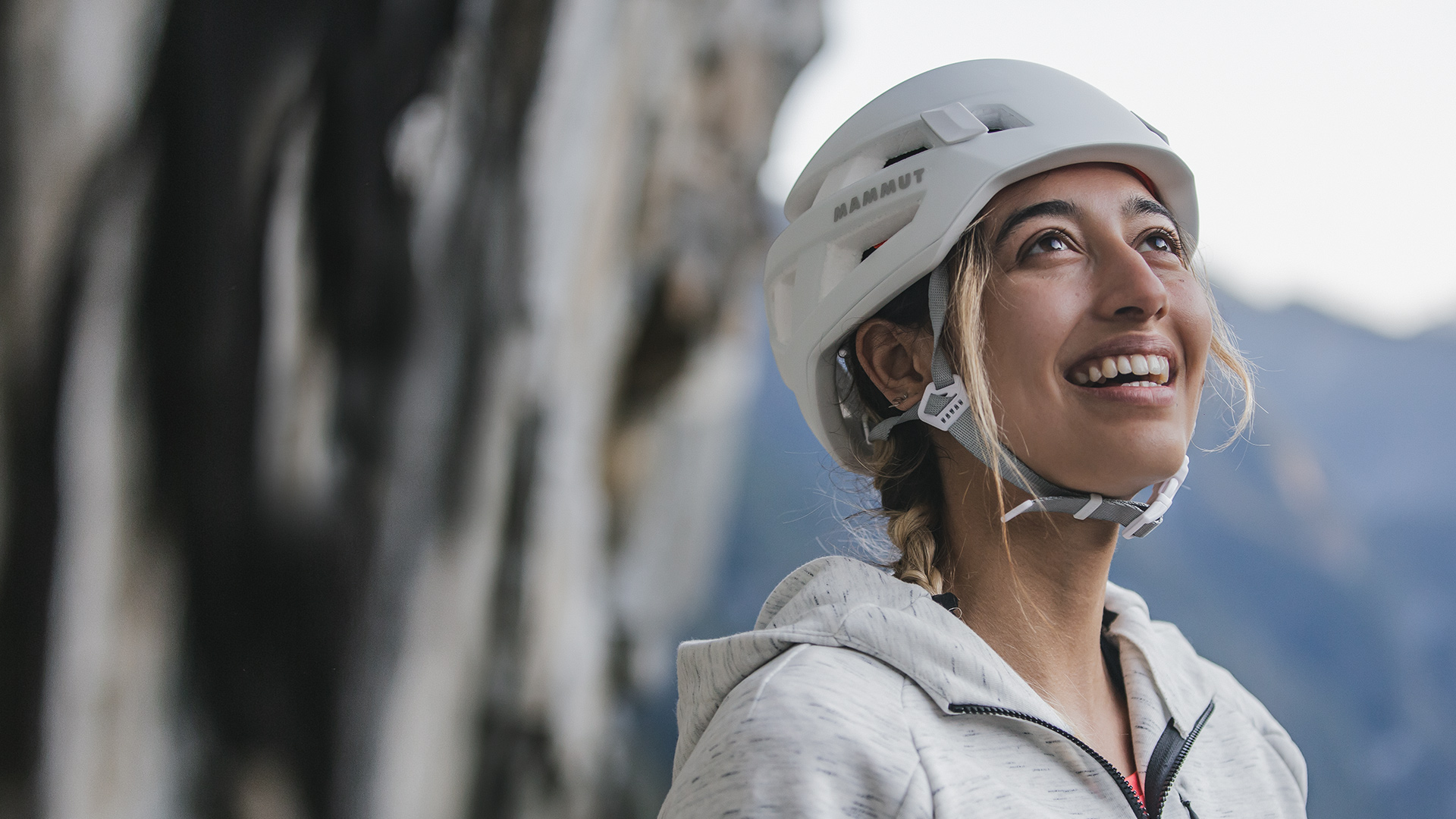
Rock climbing is an exciting sport, but it also exposes climbers to real risks. Falling rocks, unexpected slips, and gear collisions can happen at any moment, even to experienced climbers. This is why rock climbing helmets are an essential part of every climber’s gear. A helmet not only protects your head from impact, but it also boosts confidence, allowing you to focus fully on your climb.
1. Protection From Falling Rocks and Debris
One of the most common hazards in outdoor climbing is falling debris. Even a small loose stone can cause serious injury if it strikes your head at high speed. Climbers above you may accidentally dislodge rocks, or natural erosion can cause debris to fall without warning.
Rock climbing helmets provide:
- A strong outer shell that absorbs impact.
- Inner cushioning that reduces the force transferred to your skull.
- Rear and side coverage that protects against indirect hits.
Wearing a helmet greatly reduces the risk of life-threatening head injuries on exposed rock faces.
2. Essential for Accidental Falls
Even skilled climbers can slip, miscalculate a foothold, or lose grip. During a fall, your head is one of the most vulnerable parts of your body. You may hit a rock wall, collide with your climbing partner, or strike the ground if the rope system fails.
A helmet offers critical protection when:
- Swinging into the wall during a lead fall.
- Tipping backwards during a rappel.
- Taking a short but sudden slip on a boulder problem.
A fall does not have to be dramatic to cause serious damage. A simple bump against the wall can become dangerous without proper head protection.
3. Protection During Indoor Climbing Accidents
Many climbers assume that helmets are only necessary outdoors, but indoor gyms also present risks. You can collide with climbing holds, fall unexpectedly, or get hit by dropped gear from another climber.
Indoor walls often involve:
- Hard surfaces that can cause sudden head impact.
- Overhangs where falls can push climbers backward.
- Crowded spaces where other climbers may lose control of gear.
Using rock climbing helmets in these settings increases safety and reduces preventable injuries.
4. Preventing Injuries From Gear or Equipment Failure
Climbing gear is durable, but failure can still occur due to age, misuse, or manufacturing issues. Even when gear holds, it can cause unexpected movement of your body.
A helmet protects you from:
- Carabiners or quickdraws snapping back toward your head.
- Rope tension pulls your torso off balance.
- Loose equipment falling from above.
In unpredictable climbing situations, your helmet acts as your final protective barrier.
5. Boosting Confidence and Focus
Knowing you are protected helps you relax and perform better. When climbers feel safe, they tend to make clearer decisions, maintain better technique, and avoid panic during stressful moments. A helmet is a simple way to increase confidence during both indoor and outdoor climbs.
Climbers who wear helmets often report:
- Better mental focus
- Less hesitation on hard routes
- Increased stability when belaying or rappelling
Safety promotes performance.
Conclusion
A helmet is one of the simplest and most effective ways to stay safe while climbing. With risks such as falling rocks, slips, indoor collisions, and gear impact, protecting your head is essential for every climber. Modern rock climbing helmets are comfortable, light, and effective, making them a vital part of any climbing setup. Whether you climb indoors, enjoy outdoor routes, or tackle challenging boulders, wearing a helmet can truly save your life.