
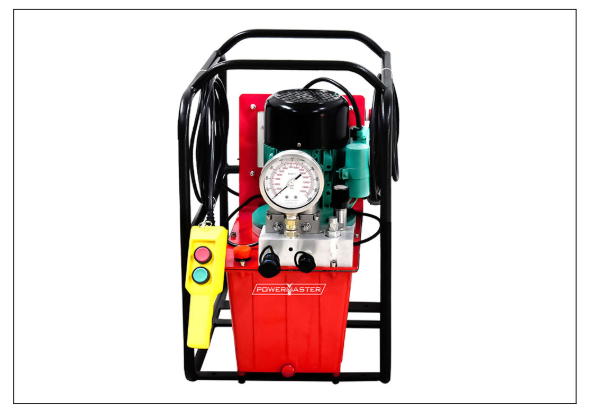
Mechanical systems demand accuracy, consistency, and controlled force to function at their best. The integration of modern torque tools has transformed how industries manage assembly, maintenance, and critical fastening tasks. The introduction of advanced solutions such as the hydraulic torque wrench has elevated performance standards by delivering dependable torque levels while minimizing human error.
A deeper look at torque innovation reveals how these tools bring uniformity and stability to complex operations. Whether used in energy plants, manufacturing units, construction sites, or heavy-industrial facilities, precision torque equipment helps maintain the integrity of machinery, reduce downtime, and ensure safer working environments. The evolution of torque tools demonstrates engineering’s commitment to achieving accuracy with minimal effort, laying the foundation for a more reliable and resilient mechanical landscape.
Elevating Mechanical Reliability Through Precision Control
Modern torque technology builds trust in mechanical systems through high-accuracy force application. The tools are engineered to support technicians, engineers, and maintenance teams by helping them work faster, safer, and more efficiently. Below are some of the core improvements enabling this shift.
- Consistent Output Accuracy
Precision-engineered torque systems eliminate guesswork by delivering repeatable performance.
They reduce the chances of bolt failures caused by under- or over-tightening.
Consistency across multiple fastening points strengthens the stability of the entire assembly.
The controlled output improves the lifespan of equipment operating under heavy loads. - Enhanced Operator Safety
Modern torque tools minimize physical strain on technicians and reduce exposure to risky force application.
Built-in safety mechanisms prevent accidental overload or tool slippage.
Ergonomic designs ensure better handling during extended tasks.
Reduced dependence on manual force lowers the chances of operational injuries. - Higher Efficiency in Field Operations
Torque technology accelerates fastening and unfastening activities in maintenance and assembly processes.
Quicker cycle times make plant shutdowns and installations more predictable.
Portable equipment increases mobility across tight, elevated, or remote workspaces.
Better efficiency ultimately supports lower operational costs and improved production availability. - Greater Control for Complex Applications
Advanced torque systems adapt to varying bolt sizes, torque ranges, and operational needs.
Digital interfaces enable real-time monitoring for accuracy assurance.
Specialized tools support precision fastening in high-risk or high-pressure environments.
Versatility ensures the same tool can be used across diverse applications without reliability loss.
Enabling Reliability Through Next-Generation Power Tools
A major advancement in torque technology is the shift toward cordless, portable, digitally controlled tools. Among them, the battery-operated torque wrench stands out for combining mobility with precision. Its cordless design supports excellent maneuverability, making it ideal for maintenance teams working across large industrial areas or confined spaces. This progression highlights how torque tools are becoming smarter, faster, and more adaptable, strengthening reliability across mechanical systems of all scales.
Conclusion
Modern torque technology has reshaped mechanical reliability by bringing accuracy, safety, and operational agility into critical fastening work. From hydraulic systems to cordless torque tools, the progression reflects the industry’s shift toward efficiency and greater confidence in mechanical performance. For businesses seeking dependable torque solutions backed by engineering expertise, Powermaster America LLC serves as a trusted provider offering advanced torque tools designed to elevate reliability across industrial operations.