
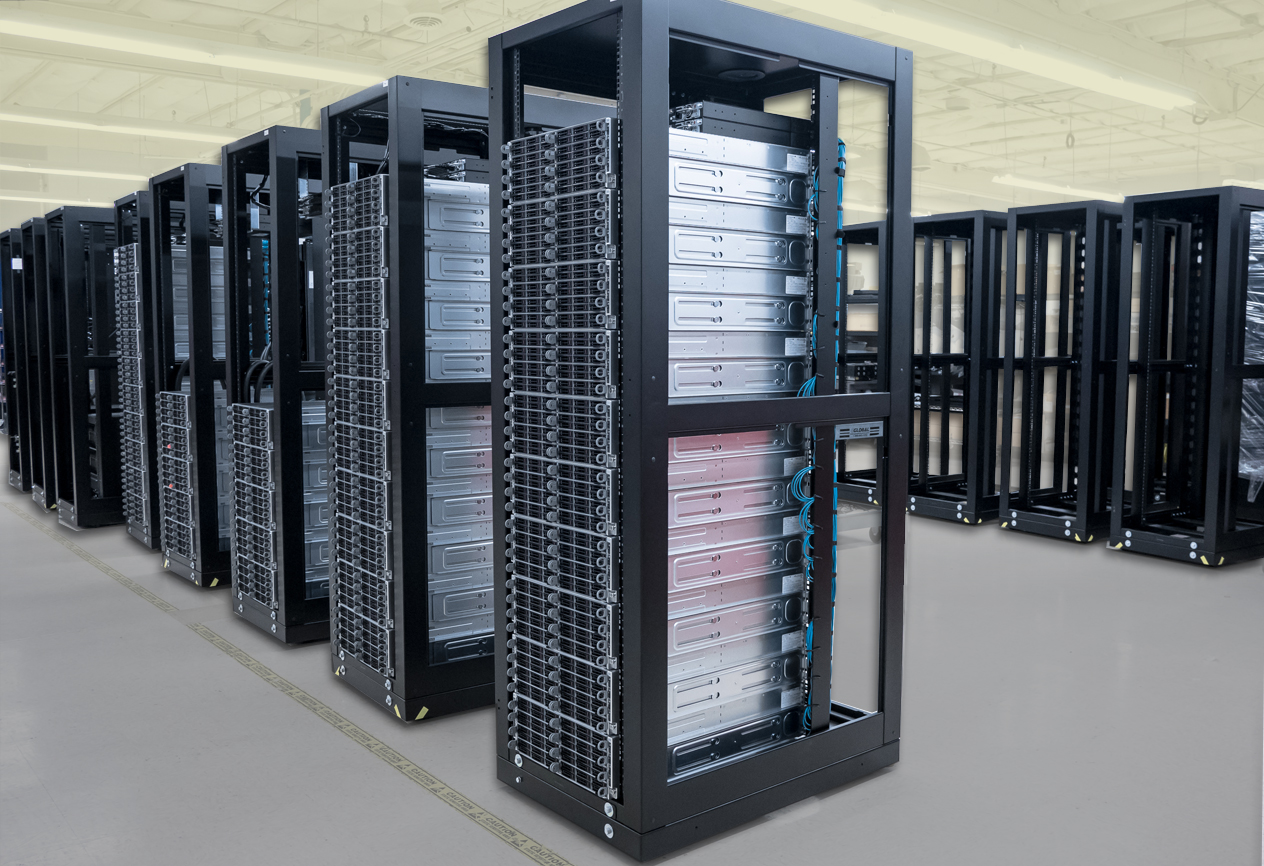
Modern businesses move fast, and your IT foundation needs to keep pace with every change.
Organizations want systems that support growth while keeping teams productive and confident. This is where rack servers play a vital role in modern IT strategies. They bring power structure and flexibility into one compact design that fits well in data centers and server rooms.
When teams deploy rack servers with care, they build a base that supports new apps, stronger security, and smoother daily work. At the same time, IT modernization is not only about new hardware. It is about creating a setup that feels reliable for your people and simple to manage over time.
A clear deployment plan helps you reduce delays and avoid confusion during upgrades. With the right steps, your team can move from old systems to a modern platform without stress.
Here, you will find practical tips that help you use rack servers to speed up IT modernizations while keeping your business goals at the center of every decision.
1 Plan Your Modernization Goals with Clarity
First, you need a clear picture of what modernization means for your business. Strong goals guide every technical choice and keep your team aligned. When you know what you want to achieve, you choose rack servers that truly fit your needs. Start by linking IT goals with business goals. For example, you may want faster apps, better uptime, or easier scaling. Each goal shapes how you design your setup.
Key focus areas
- Better performance for daily workloads
- Higher reliability for critical systems
- Simple growth for future demand
- Strong security for business data
When your goals stay clear, your deployment moves faster, and your team avoids rework. As a result, rack servers become a tool that supports progress instead of adding complexity.
2 Choose Rack Servers That Match Your Workloads
Next, you should match your hardware with real workloads. Every business runs different apps and services, so one size never fits all. Rack servers come in many forms, so you can pick what fits best.
Think about how your teams use systems each day. Some need strong computing power while others need large storage or smooth virtualization. When you align choices with workloads, you avoid waste and improve results.
What to review
- App types you run today
- Data growth you expect soon
- Users who depend on the systems
- Need for virtual machines or containers
By choosing rack servers that suit your workloads, you create a setup that feels responsive and stable. This step alone can save weeks during deployment because the platform fits from the start.
3 Prepare Your Data Center for Smooth Installation
A clean and ready space makes deployment easier and safer. Before new rack servers arrive, you should prepare the power cooling and rack layout. Good preparation keeps the process simple and avoids delays.
Your data center should support airflow and easy access for cables and parts. Clear labeling also helps teams work faster during setup and later during support.
Setup actions
- Check the power capacity in racks
- Ensure proper cooling paths
- Arrange rack space for growth
- Label cables and rack positions
When the space stands ready, your team installs rack servers with confidence. This preparation builds a strong base for faster IT modernizations.
4 Standardize Configurations to Save Time
Standard setups reduce effort and speed up every task. When all rack servers follow the same base design, your team works faster and avoids mistakes. Standardization also helps with training and support.
Create templates for firmware settings, storage layouts,s and network setup. Use these templates for every new system. This approach builds consistency across your environment.
Benefits of standard setups
- Faster deployment for each server
- Simple troubleshooting for issues
- Easy scaling as demand grows
- Better control of system quality
With standard configurations, rack servers become easier to manage. Your team spends less time fixing and more time improving services.
5 Automate Provisioning for Faster Results
Automation turns long tasks into quick actions. Instead of manual steps, your team can use tools to deploy systems in a repeatable way. Automation helps rack servers come online faster and with fewer errors.
Use scripts or management tools to install operating systems, apply updates, and set network rules. Once built, these processes save time for every new server.
Where automation helps
- OS and firmware installation
- Network setup and policies
- Security baseline deployment
- Monitoring agent setup
As a result, rack servers move from boxes to active systems in less time. Automation also keeps quality high across your environment.
6 Build Security into Every Deployment Step
Security should never wait until the end. When you add it from the start, you protect systems and data as soon as rack servers go live. This approach builds trust across the business.
Apply strong access rules and update systems before they run workloads. Also, track assets so you always know what runs in your racks.
Core security actions
- Set strong admin access rules
- Update firmware and software early
- Enable monitoring and alerts
- Track assets and change
By building security into deployment, you keep your modernization safe. Rack servers then support growth without adding risk.
7 Train Teams and Document Every Process
Finally, people make modernization succeed. Even the best rack servers need skilled hands and clear guidance. Training helps teams work with confidence while documentation keeps knowledge strong.
Create simple guides for setting up daily tasks and troubleshooting. Share them with everyone who supports the environment. Regular training also keeps skills fresh as systems evolve.
People-focused steps
- Train teams on new platforms
- Share clear setup guides
- Keep documents up to date
- Encourage feedback and learning
When people feel confident, your deployment flows smoothly. Rack servers then become part of a system that your team trusts every day.
Conclusion
IT modernization is not only about new technology. It is about building a future that feels stable and ready for change. With the right approach, rack servers become a strong partner in this journey. They bring structure, power, and flexibility into your environment while supporting real business needs.
By planning goals, choosing the right systems, preparing your space, and guiding your people, you create momentum that carries your team forward. Each small step adds up to faster progress and better results.
As you move ahead, remember that modernization works best when it stays human at the core. When your systems support your people, your business grows with confidence. Let rack servers help you build that path and keep your IT journey strong and meaningful for every team you serve.