
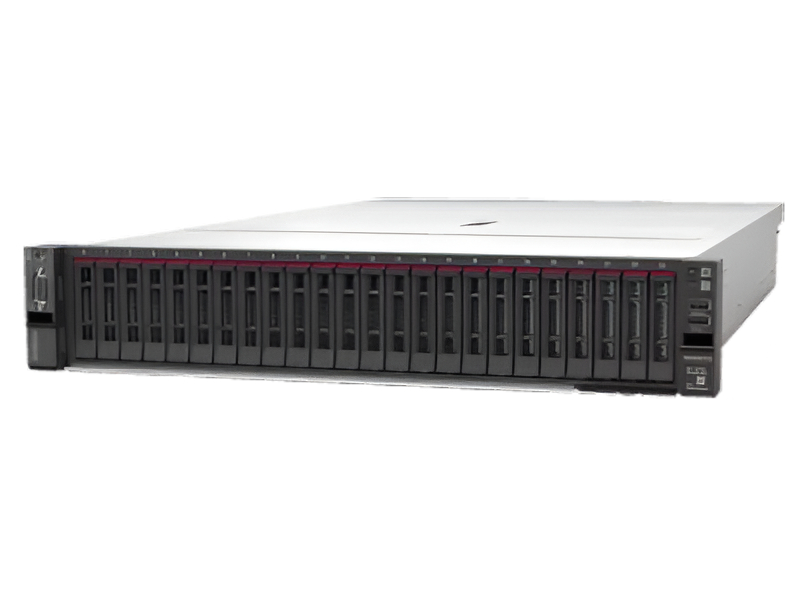
Modern IT environments continue to expand as organizations manage more applications, data, and users every day. High-density workloads place continuous pressure on infrastructure to remain stable, organized, and efficient.
A well-designed server rack becomes a reliable foundation that supports this growth with clarity and confidence. It helps teams manage space power, airflow, and maintenance without adding complexity to daily operations.
For B2B leaders and IT decision makers, the server rack is more than a metal frame. It plays a direct role in protecting uptime, supporting performance, and enabling teams to work with focus.
Here, we explain five essential server rack features that support high-density workloads in a practical and easy-to-understand way. Each feature reflects real challenges that IT teams face and highlights how the right design choices create environments that feel dependable, manageable, and ready to scale.
1. Optimized Airflow Design That Keeps Systems Stable
High-density workloads generate consistent heat as servers, storage, and networking equipment operate at sustained levels. A server rack with optimized airflow design helps control this heat and supports steady system performance. When airflow moves in a clear and predictable direction, cooling systems work efficiently, and hardware stays within safe temperature ranges.
This design supports balance across the rack and reduces hotspots that often appear in dense deployments. IT teams gain confidence because systems remain stable during peak usage periods and cooling strategies remain effective without constant adjustment.
How optimized airflow supports high-density workloads
- Clear front-to-back airflow paths that align with modern server designs
- Support for hot aisle and cold aisle configurations
- Space for blanking panels that prevent air recirculation
With these airflow features, the server rack becomes an active part of the cooling strategy. This allows high-density environments to grow while maintaining thermal stability and operational peace of mind.
2. High Load Capacity That Supports Heavy Equipment
As workloads grow, equipment becomes more powerful and heavier. A server rack with strong load capacity ensures that servers, storage systems, and networking hardware remain secure and stable at all times. This structural strength protects both the equipment and the people who manage it.
A rigid frame prevents flex and movement even when the rack reaches high-density levels. This stability reduces vibration and helps connections stay firm over long periods of operation. Teams can expand infrastructure with confidence, knowing the rack supports the total weight safely.
Why load capacity matters in dense environments
- High-density configurations significantly increase total rack weight
- Storage-heavy workloads require dependable mounting support
- Stable racks reduce long-term stress on rails and components
A server rack built for high load capacity supports growth without compromising safety or reliability.
3. Efficient Cable Management That Keeps Order at Scale
In high-density environments, cables multiply quickly. Without structure, troubleshooting becomes time-consuming and stressful. A server rack with efficient cable management keeps connections organized, visible, and easy to trace.
Well-managed cables improve air flow, reduce accidental disconnections, and support faster maintenance. Clear routing allows teams to identify issues quickly and complete upgrades without disrupting surrounding systems.
Cable management features that support density
- Vertical and horizontal channels for clean routing
- Secure tie points that guide cables consistently
- Separation between power and data cables
These features help the server rack remain organized even as density increases. Order creates clarity, and clarity supports confident decision-making during critical moments.
4. Flexible Power Distribution That Supports Growth
High-density workloads demand reliable and adaptable power delivery. A server rack with flexible power distribution allows teams to scale infrastructure without complex changes. This flexibility supports smooth expansion and reduces operational friction.
Integrated power options help balance electrical loads across devices and maintain steady performance. Clear visibility into power usage supports smarter planning and helps teams avoid unexpected limits.
Power distribution features that matter
- Support for intelligent power distribution units
- Multiple mounting positions for power components
- Clear separation of power paths for safety and clarity
With these features, the server rack supports growth while keeping power management simple, predictable, and controlled.
5. Easy Accessibility That Simplifies Daily Operations
High-density environments still require frequent access for maintenance, upgrades, and inspections. A server rack designed for accessibility helps teams work efficiently even in compact spaces. Simple access reduces downtime and keeps workflows smooth.
Features that support easy interaction allow technicians to complete tasks without unnecessary effort. When access feels intuitive, teams stay focused and confident during daily operations.
Accessibility features that improve efficiency
- Tool-free removable panels for quick entry
- Adjustable mounting rails for flexible installation
- Clear labeling areas for easy identification
These elements help the server rack feel supportive rather than restrictive. Teams spend less time navigating obstacles and more time delivering reliable outcomes.
Conclusion
High-density workloads demand infrastructure that feels strong, organized, and trustworthy. A thoughtfully designed server rack brings structure and calm to complex environments where performance and uptime matter every day.
When airflow remains balanced, equipment stays supported, cables remain organized, power adapts easily, and access feels simple, teams operate with confidence and clarity. These essential features transform the server rack into a dependable partner that supports both present needs and future growth.
As infrastructure continues to evolve, the right server rack creates a sense of readiness that teams can rely on. That confidence strengthens operations, builds trust, and keeps everyone moving forward together.