
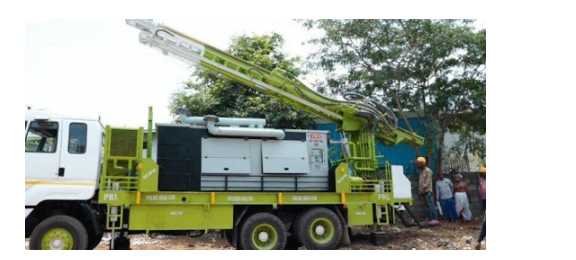
Investing in high-production industrial machinery requires careful evaluation, proper planning, and strategic execution. Professionals planning to buy mining rig equipment often underestimate the complexity of aligning machinery specifications with project and terrain demands. Rushed purchases or decisions based solely on initial cost can lead to operational inefficiencies, safety risks, and costly downtime. As mining projects expand and automation increases, avoiding key mistakes becomes essential to sustaining high output and ensuring long machinery lifecycle value.
Understanding industry standards, operational requirements, and long-term ownership implications helps decision-makers implement smarter procurement strategies. Whether upgrading equipment or deploying rigs for new exploration work, conducting a thorough assessment ensures the investment supports productivity goals rather than becoming a financial burden. Avoiding common procurement pitfalls strengthens operational performance, improves reliability, and supports safer drilling environments across demanding work sites.
1. Failing to Assess Operational Compatibility
- Ignoring Site Conditions – Overlooking geological variables, drilling depth expectations, or soil hardness may result in equipment limits and performance disruptions.
• Misjudging Capacity Requirements – Selecting underpowered or oversized rigs can negatively affect energy use, drilling output, and daily productivity targets.
• Overlooking Mobility and Terrain Needs – Some applications require truck-mounted platforms, crawler configurations, or modular movement systems for safe and adaptable field operations.
Performing proper environmental and operational assessments reduces risk and ensures the selected equipment aligns with current and future project demands.
2. Neglecting Build Quality and Engineering Standards
- Choosing Based on Cost Alone – Budget-driven decisions may lead to lower durability, reduced lifespan, or poor mechanical strength under heavy workload.
• Overlooking Reliability Certifications – Equipment without regulatory approvals, stress testing, or documented field performance may fail under demanding operational cycles.
• Ignoring Component Construction – Frames, drill pipes, and hydraulic systems must be engineered to withstand vibration, heat, and continuous pressure during field use.
Focusing on engineering quality helps ensure the selected rigs deliver reliability, safety, and long operational lifespan under challenging mining environments.
3. Ignoring Maintenance and Support Requirements
- Limited Spare-Part Availability – Machines requiring rare components increase downtime and repair costs when failures occur.
• Lack of Service Expertise – Equipment without available training support or skilled technicians poses a long-term risk to workflow stability and machine lifespan.
• No After-Sales Framework – When organizations buy mining rig systems without assessing service networks, operational continuity becomes difficult to maintain.
Ensuring maintenance accessibility ensures smoother lifecycle performance and reduces operational interruptions over the long term.
4. Overlooking Long-Term Cost Evaluation
- Focusing Only on Initial Expense – Long-term ownership includes operational costs, parts replacement, energy use, and required upgrades.
• Underestimating Training Requirements – Poor operator capability increases safety hazards, misuse, and unnecessary mechanical strain.
• Ignoring Upgrade Compatibility – Equipment lacking scalable components or modern digitally enabled features may become outdated and costly to replace.
Evaluating lifecycle cost ensures organizations make financially responsible decisions that align with productivity and modernization goals.
Conclusion:
Avoiding these critical mistakes when planning to buy mining rig equipment supports better long-term decision-making and protects the value of industrial investment. Selecting durable and scalable machinery ensures a safer working environment, higher productivity, and reduced maintenance disruption.
For organizations exploring premium drilling rigs and advanced machinery sourcing, connecting with Prime Rigs helps streamline selection and purchasing with expert guidance, reliable technical support, experienced teams, and precision.